


































Last checked: October 2026. Published by Increditors; prices and view counts read 25 Oct 2026.
A testimonial commercial is a 15 to 90 second ad built on a real customer’s own words. Use five story beats, cast real customers with signed releases, and budget from $2,500 per video (Lemonlight, read 25 Oct 2026). Get usage rights in writing.
Decide the placement first, because it sets the length: 15 seconds for paid social, 30 for a pre-roll or landing page, 60 to 90 for a story. Script by interview questions, not by lines. Cast real customers and say so. Put term, channels and paid-media use in the release before the shoot. We read 6 sourced price rows and four real commercials on 25 Oct 2026.
- What a testimonial commercial is (and is not)
- Pick the format and length
- Four real commercials by length
- Script structure: five beats
- Casting: real customers, actors or insiders
- Usage rights and compliance
- Budget and timeline, sourced
- Production workflow, step by step
- The commissioning brief
- Our own testimonial work
- FAQ
- About this guide
This is a commissioning guide for a testimonial commercial: how to structure the script, choose the length, cast, secure usage rights and brief a vendor. Our companion testimonial ad examples roundup is the place to browse ten finished ads; this page is the one to use when you are about to commission one. For a wider vendor list see best testimonial video companies, and for cost detail by package see our testimonial video cost guide.
Demand is not the issue. Wyzowl’s State of Video Marketing 2026, a survey of 266 respondents in late 2025, found that 57% of video marketers make testimonial videos. The gap is in execution: a testimonial commercial that runs too long, uses an unprepared speaker or has unclear rights is expensive to fix after the shoot.
What a testimonial commercial is (and is not)
A testimonial commercial is a short ad where the persuasion comes from a customer, not the brand. It is the paid-placement cousin of a longer testimonial video or case study. Treat them as different assets cut from the same interview.
💡 Pro tip: Shoot one 20 to 30 minute interview and plan to cut every length from it. Commissioning a 30 second ad and a 3 minute film as two shoots doubles the cost for the same customer story.
Pick the format and length
Choose the placement before the format, because the placement sets how much story you can tell. Paid social cuts have a few seconds to land one idea, while a case-study page can carry a full arc.
Length by placement
Our own roundup found a median length of 82 seconds across ten testimonial ads, but those are brand-channel films, not paid cut-downs, and no public conversion data compares their lengths. See the examples roundup for the full set. Treat 15, 30 and 60 seconds as test variants, not a rule.
Four real commercials by length
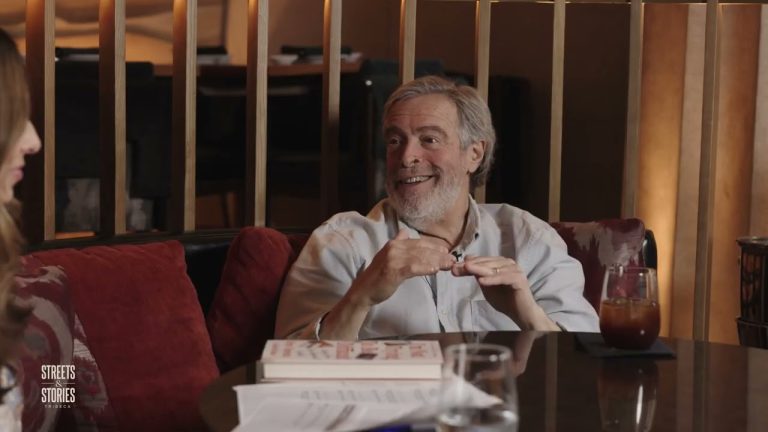
Each video was opened on 25 Oct 2026: the page loaded (HTTP 200), it plays in an embed, and the length, date and views below are read from the page. We did not transcribe them, so the “what to copy” column rests on each video’s title and description only. Click through and watch before you borrow an idea.
📌 No public conversion data: None of these brands has published a conversion rate for these ads. Views show reach, not results. Pick ideas to test; do not copy lengths as proven.
Script structure: five beats
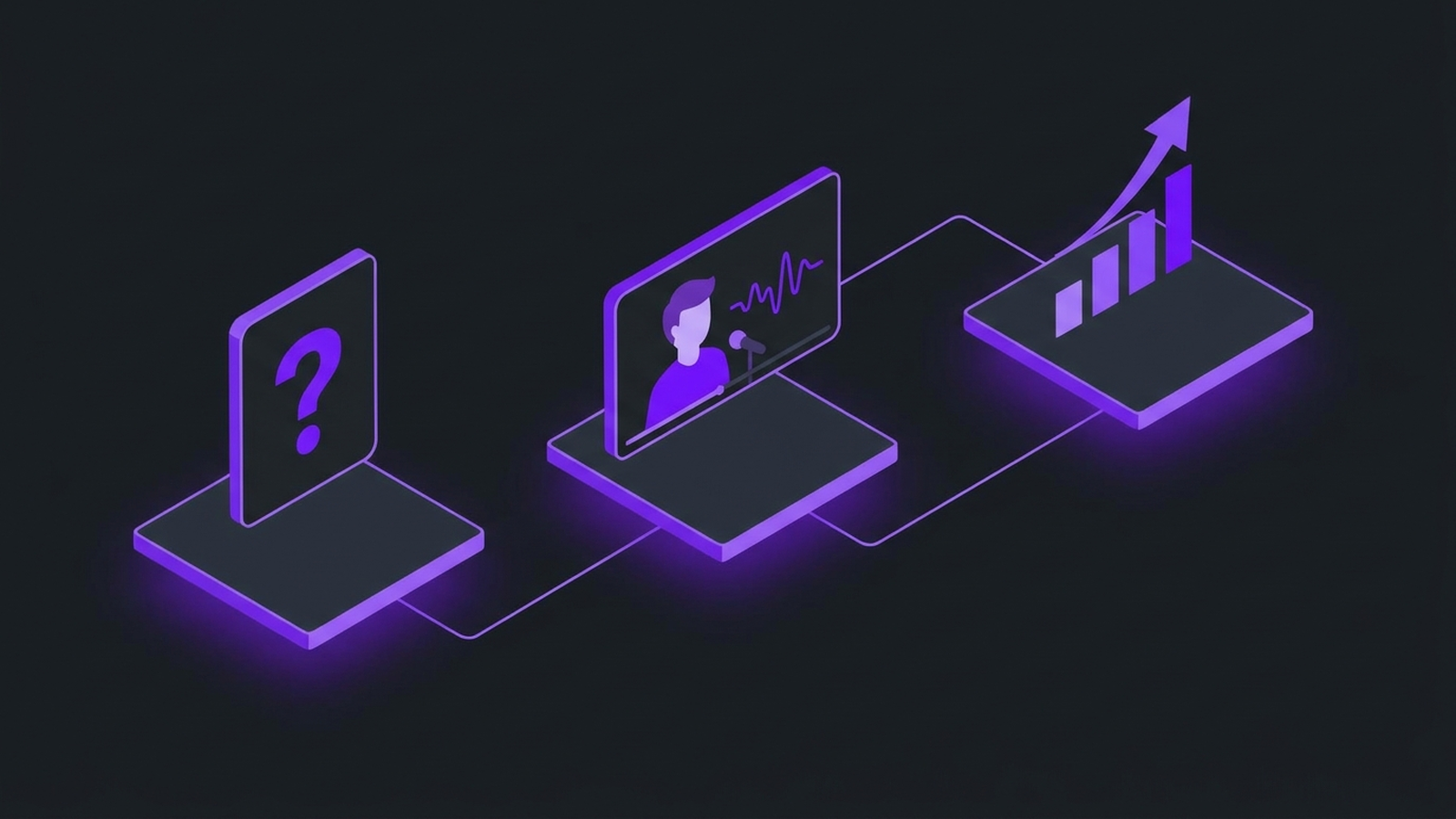
Write the script as questions, not as lines. Customers who read lines sound like they are reading lines, and an edited line the customer never said puts you on the wrong side of the rules covered below. Build the interview plan on five beats, then let the edit choose the best answers.
Interview rules that make the cut easier
- Start with the objection. Ask what nearly stopped them. That answer is usually the most believable thirty seconds you will record.
- Ask for one number or one specific moment. A named result beats an adjective. If the customer has no figure, do not supply one.
- Ask every question twice. The second answer is shorter and cleaner. Let them re-say a sentence in their own words, never in yours.
- Record a clean sentence for the call to action. “I would tell anyone who…” cuts well as the last line.
If you also plan an explainer or demo around the same customer, our explainer video script template shows how to structure the narration. The same interview can feed a longer B2B video case study.
Casting: real customers, actors or insiders
Casting is the biggest authenticity decision and the biggest compliance one. The FTC’s final rule on fake reviews and testimonials, announced in August 2024, prohibits testimonials that misrepresent they are by someone who does not exist or who did not have actual experience with the business, and it also covers insider testimonials that do not disclose the connection. Read the FTC announcement.
How to recruit a customer who will be good on camera
- Ask customer success for people who volunteered praise in a review, a call or a renewal, not for the most senior contact.
- Prefer a speaker who can explain the problem before the product existed. Titles help in B2B; stories help everywhere.
- Run a five-minute pre-call and listen for a specific story. If the answers are generic on the phone, they will be generic on camera.
- Tell them the length, the channels and the term in plain language before they agree.
Usage rights and compliance
Usage rights decide whether a finished commercial can run, where and for how long. Settle them before the shoot and put them in a written release the customer signs. This is practical production guidance, not legal advice: ask counsel to review your template.
Disclosure. If the speaker has a material connection to you, such as a payment, free product or employment, viewers need to know. The FTC’s Disclosures 101 guidance says disclosures are likely to be missed if they appear only at the end of a video or behind a “more” click, so put the disclosure in the video, with the claim. That guide is written for influencers, but the placement principle applies to any endorsement.
⚠️ Check every claim: If the customer says “we doubled our leads,” you need to be able to support that claim. Ask for the source figure at approval, and cut the line if you cannot.
Budget and timeline, sourced
Every row was copied from the vendor page on 25 Oct 2026. These are the vendor’s own list prices or stated ranges, not averages across the market. Increditors prices are not listed. For package-level detail see the testimonial video cost guide, and for paid-ad production cost see video ad production cost.
Levitate Media’s guide is dated 19 Mar 2026 and was read on 25 Oct 2026. Lemonlight’s timelines are the ranges on its testimonial page. Rows show list prices and ranges; your quote will depend on speakers, locations and deliverables.
What moves the price
- Number of speakers and locations. Levitate says pricing depends on the number of interview subjects, shoot locations and how much b-roll is required.
- Crew and shoot days. A remote record costs less than a crew on location.
- Deliverables. Each extra cut, language and aspect ratio adds editing time.
- Rights. Paid media and long terms can cost more than a website embed.
Production workflow, step by step
Lemonlight lists doc-style testimonials at 3 to 8 weeks and studio testimonials at 5 to 12 weeks, so a five-week plan is realistic for a simple remote or single-location shoot and tight for anything larger. The edit is where the commercial is made: choosing soundbites, tightening pauses and building the arc. A specialist video editing agency can turn a single recorded interview into several lengths, with captions, faster than a crew can reshoot.
Remote or on location?
Record on location when the setting is part of the story, as with an owner in a shop. Record remotely when speed and the customer’s calendar matter more than cinematography, and ask the customer to record locally with a headset for clean audio. Either way, capture a separate clean audio track and a few cutaways so the edit has options.
The commissioning brief
Hand this table to any vendor or in-house team. It turns “make us a testimonial ad” into something you can compare quotes against.
Ask for two finished examples in your format and audience, a named client you can call, and a statement of who holds the releases. Run a paid test with your top two before you sign a long term.
Our own testimonial work
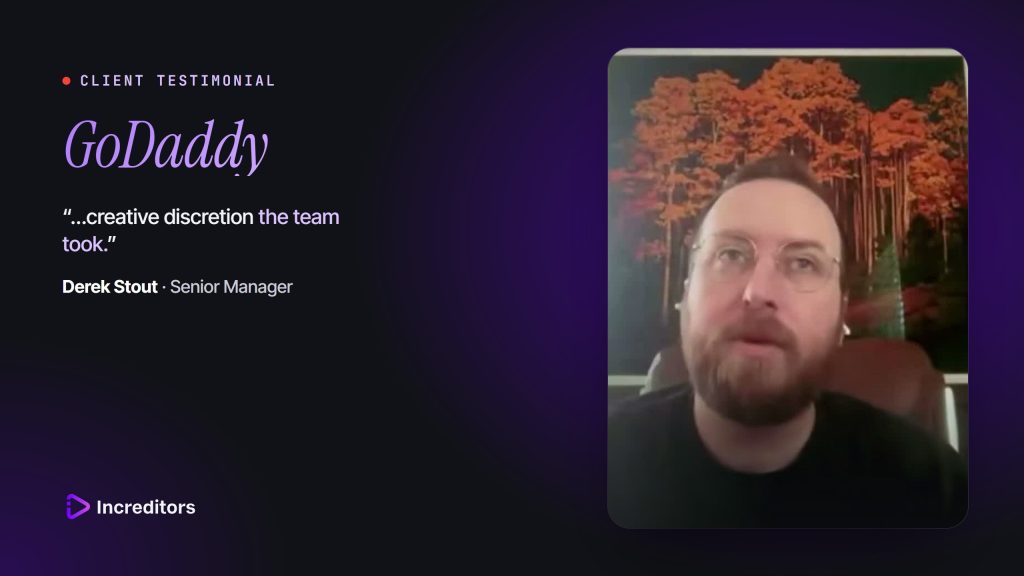
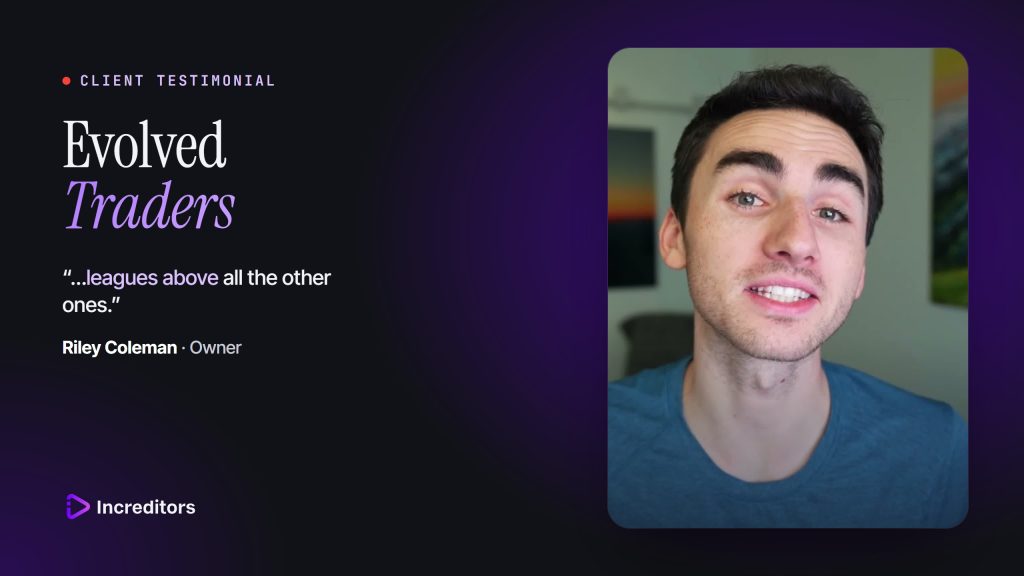
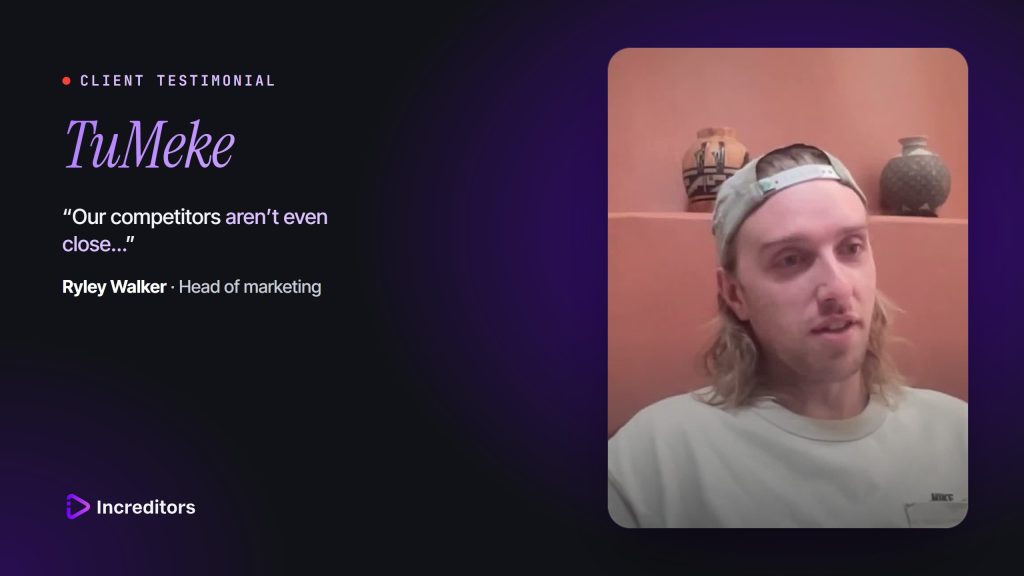
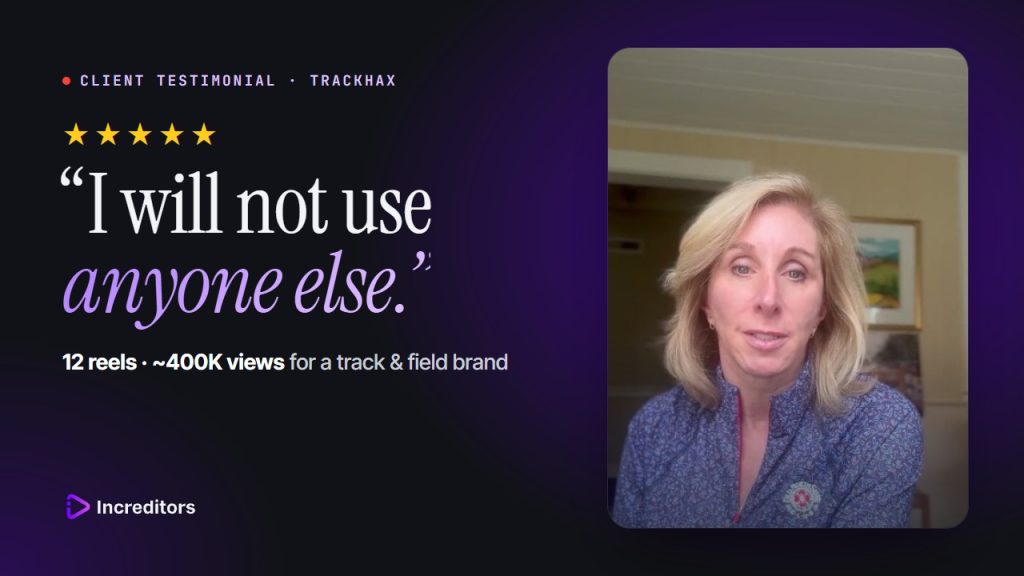
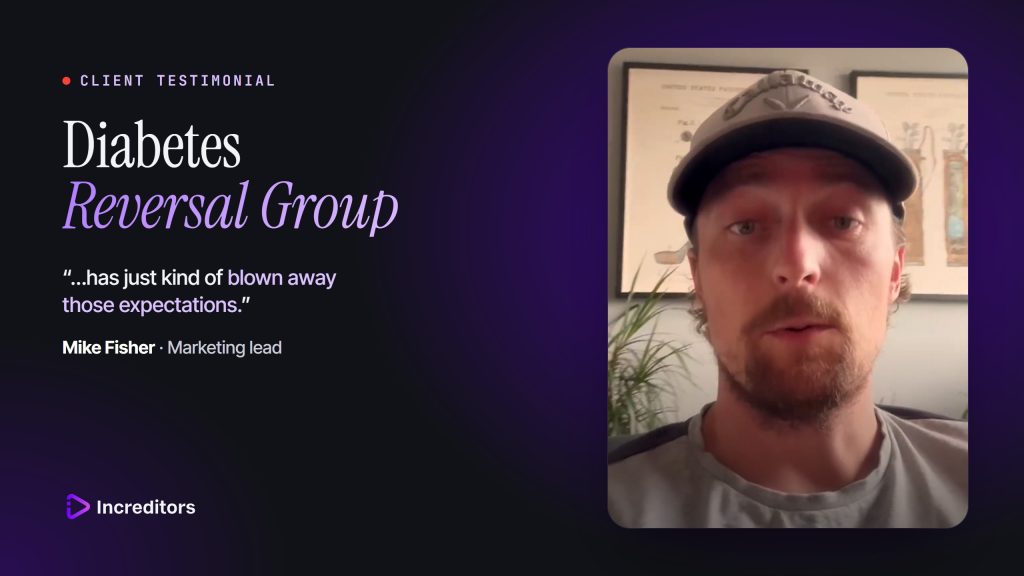
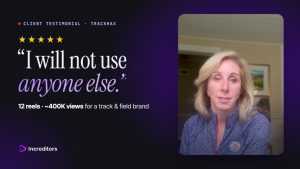
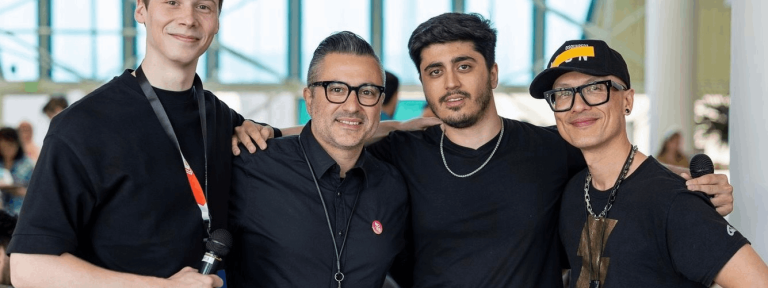
Increditors is a video editing agency with 1,700+ videos delivered for 340+ clients and a 5.0 rating from 12 reviews on Clutch. Below, TuMeke’s co-founder talks about working with our team. We lead with the customer’s own words on the TuMeke project page: “Everyone loved the videos you produced, and the animations are making everything clear.” (Zach Noland, Co-Founder, TuMeke). See all case studies, and our note on editing client stories into sales assets.
TuMeke on working with the Increditors team (90 seconds, YouTube).
Honest limits: we are editing-led, so if you need a crew on location in a city we do not cover, book a production studio and hand us the footage. Video Editing Company is our premium B2B and SaaS retainer division for teams that want a larger dedicated editing team; it is part of Increditors, which is why we disclose it here.
📌 Disclosure: This guide is published by Increditors, a video editing agency, and includes our own services. Prices were read from the vendor pages named above on 25 Oct 2026; Increditors prices are not listed.
FAQ
What is a testimonial commercial?
A testimonial commercial is an ad in which a real customer’s own words carry the pitch, so the claim comes from someone who bought and used the product. It usually runs 15 to 90 seconds and is built for a paid or owned placement. Wyzowl’s State of Video Marketing 2026 (n=266, late 2025) found 57% of video marketers make testimonial videos.
How long should a testimonial commercial be?
Match the length to the placement: about 15 seconds for paid social cut-downs, 30 for pre-roll or a landing page, and 60 to 90 for a full story on a case-study page or in email. In the four real commercials we checked on 25 Oct 2026, lengths ran from 15 to 98 seconds. No public conversion data compares those lengths, so test your own cuts.
How much does a testimonial commercial cost?
On the pages we read on 25 Oct 2026, Lemonlight lists doc-style testimonials from $2,500 and studio testimonials from $5,000, Levitate Media puts testimonial and interview projects at $3,500 to $20,000+ across three tiers, and Vidico says testimonial and case study video runs $3,000 to $15,000. Increditors quotes after a scoping call, so no price is listed here.
Can I use actors in a testimonial commercial?
You can use actors in a clearly fictional or dramatised ad, but you should not present an actor’s account as a real customer’s experience. The FTC’s final rule on fake reviews and testimonials, announced in August 2024, prohibits testimonials that misrepresent they are by someone who did not have actual experience with the product. Ask your lawyer before you run a dramatisation.
Do I need a release to use a customer testimonial?
Yes. Get a written release before you film that covers the edit and your use of the customer’s name, voice and likeness, with the term, channels (especially paid media), territory and any compensation set out. This is a production practice, not legal advice: have counsel review your template.
Is a testimonial commercial a form of propaganda?
In propaganda analysis, “testimonial” is a standard persuasion technique: a quotation, in or out of context, cited to support or reject a product, policy or person. A testimonial commercial is the honest commercial version of that device. Say who the speaker is, do not invent or inflate their experience, and disclose any payment or other connection. That is also what the FTC rules ask for.
About this guide
The Increditors editorial team is the group of editors and strategists behind our video work for B2B companies, with 1,700+ videos delivered. We build buying guides from vendors’ own pages and named sources, and we date every figure.
Changelog: 25 Oct 2026 — first published.
Ready for Video That Actually Converts?
Tell us about your project and we will put together a custom plan.
Clients, on camera