








![3D Explainer Video - ScribbleLive.mp4_snapshot_00.12_[2022.03.09_03.14.16]](https://increditors.com/wp-content/uploads/elementor/thumbs/3D-Explainer-Video-ScribbleLive.mp4_snapshot_00.12_2022.03.09_03.14.16-r7wb53mx72rxst3qcqyrfxdmeyzb5r9jbl0wbjujh4.png "3D Explainer Video – ScribbleLive.mp4_snapshot_00.12_[2022.03.09_03.14.16]")
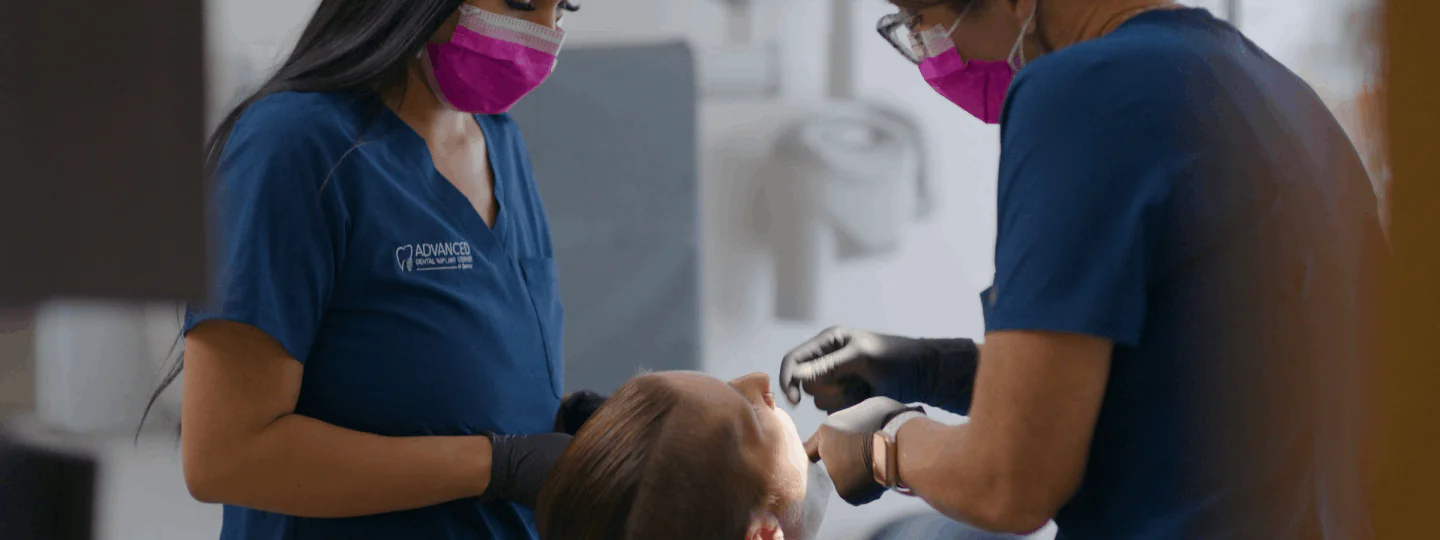
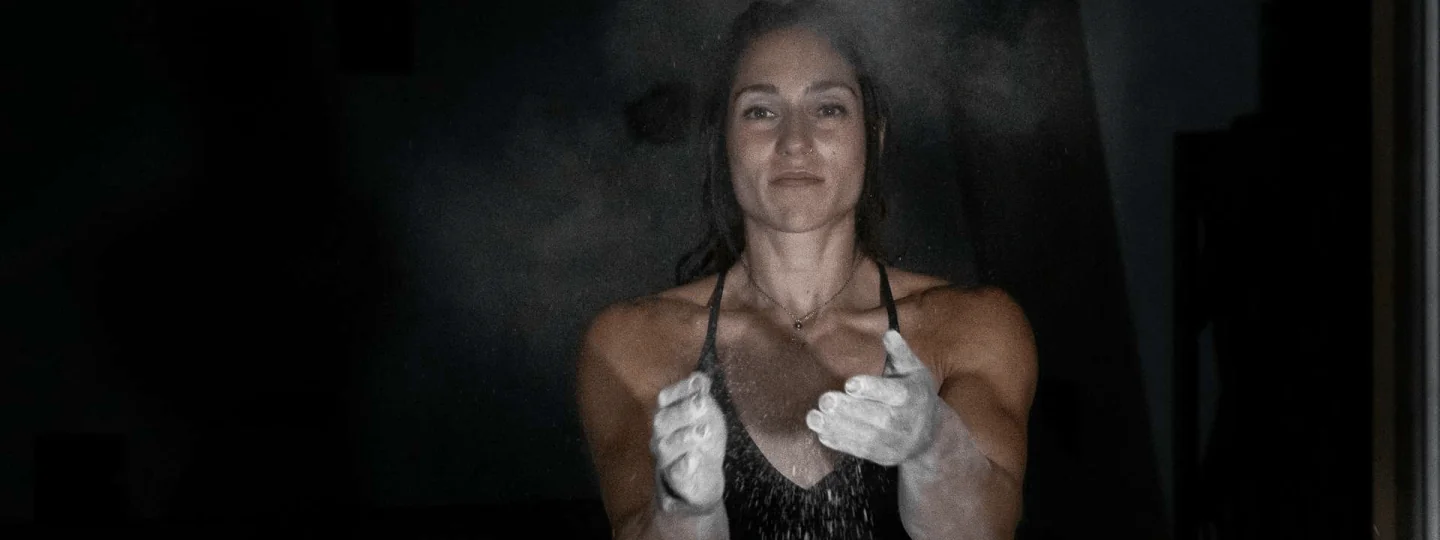























Trade show video editing is a specialized discipline — booth loops, product demos, brand sizzle reels, testimonial clips, and post-show recap videos all serve distinct purposes and require different technical treatments. This guide covers every video format exhibitors need, the workflow that delivers polished assets before show doors open, and how to evaluate an editing partner who understands the live-event context.
- Why Trade Show Video Is a Different Animal
- The Essential Types of Trade Show Videos
- What Professional Video Editing Changes at the Booth
- Trade Show Video ROI — What Exhibitors Report
- The Trade Show Video Production Workflow
- What to Look for in a Video Editing Partner
- Why Specialist Post-Production Matters for Trade Show Budgets
- Frequently Asked Questions
- Verdict
Why Trade Show Video Is a Different Animal
Video produced for trade shows and expos operates under constraints that no other medium faces simultaneously. The edit has to work silently — because ambient noise drowns out audio in the vast majority of booths. It has to communicate the core message in under ten seconds — because that is typically how long a passerby glances before deciding to stop or walk on. And it has to accomplish all of this on a 60-inch display competing with dozens of other booths for attention in the same hall.
That is a radically different brief from a YouTube ad or a LinkedIn video essay. The cuts are faster. The motion graphics carry information that would normally go into a voiceover. The pacing is designed around a viewer who is standing, distracted, and has not opted in to watching anything. Color grading needs to account for the reality of consumer-grade expo display hardware in a brightly lit convention hall. These are craft problems that require editors who have worked in the live-event context before, not just general-purpose video editors adapting on the fly.
The Live-Event Attention Problem
Research from the Center for Exhibition Industry Research (CEIR) consistently documents that qualified buyers attend trade shows with genuine purchase authority — a meaningful share of event attendees can make or directly influence buying decisions in their organizations. But those same decision-makers are overstimulated on the show floor. They move quickly, skip booths that look indistinguishable from every other exhibitor in the aisle, and may remember only a handful of conversations by the end of a six-hour floor walk.
Video cuts through the noise — literally and figuratively. Motion attracts peripheral vision in a way that static signage cannot match. But only if the edit is doing the right job: delivering a clear visual hierarchy, keeping motion purposeful rather than frenetic, and landing the value proposition in the first five seconds before the viewer decides to keep walking. Most trade show video fails at this because it was not edited with the booth environment specifically in mind.
What the Booth Loop Needs to Do
A booth loop is not a brand video. It is a tool with a specific job: (1) identify who you are in two seconds, (2) name the problem you solve in five seconds, (3) show the product or outcome in ten seconds, and (4) give the viewer a reason to walk into the booth. That is approximately thirty seconds of purposeful edited content on repeat. Most exhibitors either under-edit — raw product footage with no motion graphics — or over-edit — a cinematic brand film that requires audio and a seated viewer. Both versions miss the mark in an expo environment.
The editing decisions that make a booth loop effective are specific and non-obvious. The loop endpoint must blend back into the beginning without a jarring hard-cut reset. On-screen text must be legible from three to five meters away, not just up close. Brand colors need to be punchy enough to survive the output chain from editing suite to expo display panel. These are the details that separate editors with trade show experience from those without it.
💡 Pro Tip: Design every trade show video to be fully understood with the sound off. Use large-type on-screen text, kinetic typography, and clear product close-ups. Audio should enhance, not carry the message — because at most booths, it will never be heard at all.
The Essential Types of Trade Show Videos
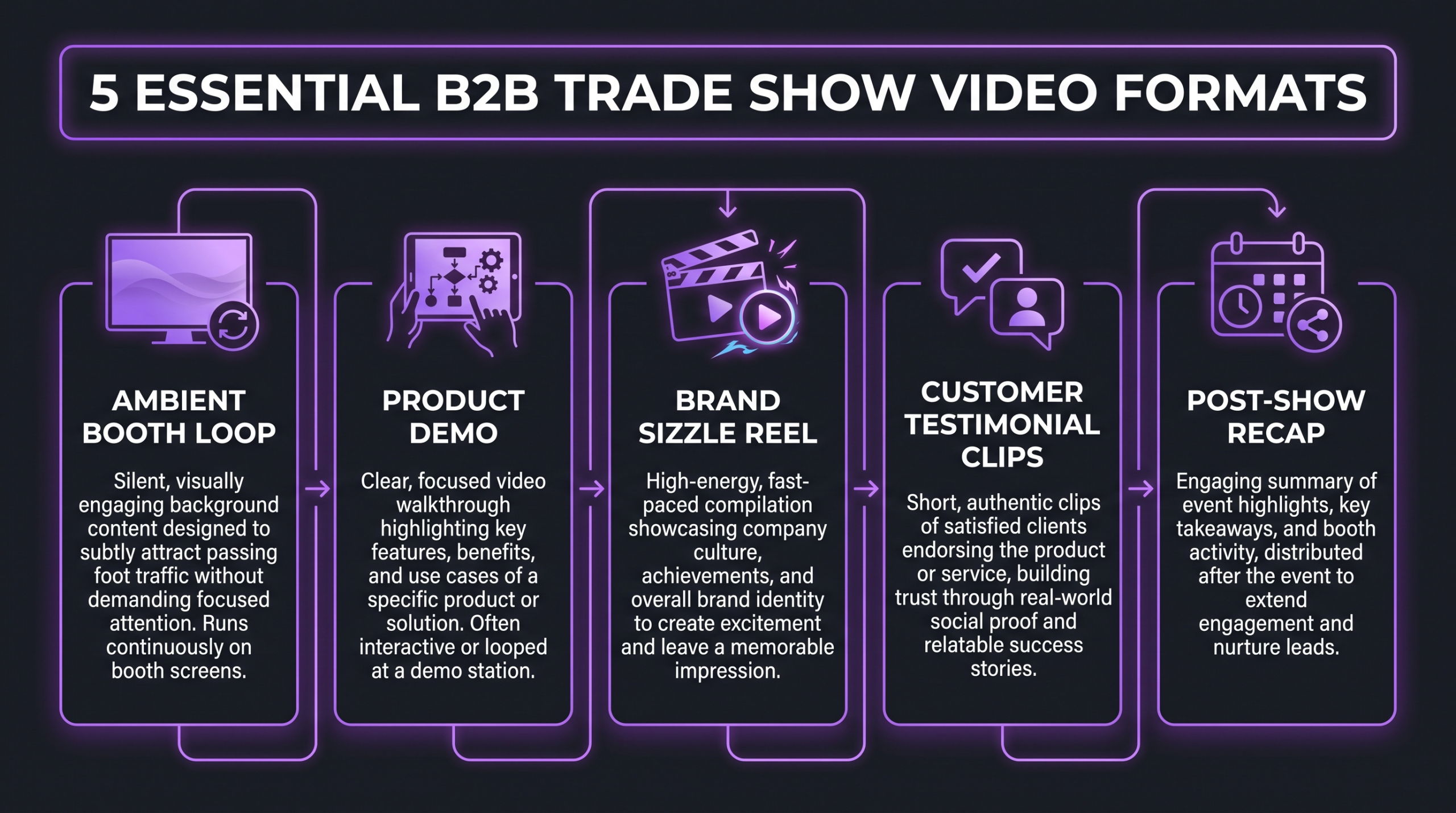
Seasoned exhibitors do not show up with a single video. They build a portfolio of assets, each tuned for a specific moment in the event arc — from the booth floor to the post-show follow-up sequence. Here are the five formats that consistently deliver results, and what the editing approach for each one looks like in practice.
1. Booth Loop Videos
The evergreen anchor of any booth display. A well-edited loop runs 60–90 seconds and cycles continuously throughout the show day. The editing priorities: no hard cuts on a silence cue (the viewer may be mid-glance when the video resets), a visual beat tempo that matches the event’s audience energy (not club-music pacing at a medical devices expo), and enough textual reinforcement on screen that anyone can absorb the core message in a single-pass look without stopping to watch the full loop.
Color grading for loop videos needs to account for display hardware. The booth screen is typically a commercial LCD panel with a mid-range color gamut — not a reference monitor calibrated to DCI-P3. A professional editor grades knowing this, often delivering a slightly punchier, higher-contrast grade that survives the output chain and still looks intentional under overhead expo lighting rather than blown out or muddy.
2. Product Demo Videos
Where the booth loop attracts, the product demo closes. These run two to four minutes and are typically shown on a tablet, a secondary booth display, or triggered by a rep for a prospect who has already stopped. The editing here demands precision: screen recording cleanups, close-up inserts on key UI moments, lower-third labels that name features without cluttering the frame, and pacing calibrated to mirror the rep’s live demo rhythm so the video can also function as a standalone leave-behind asset after the show.
For physical products, demo videos often involve macro photography, 360-degree rotation sequences, and split-screen comparisons showing before/after states or competitive differentiation. A skilled editor knows when to rely on motion graphics to annotate what the camera alone cannot convey, and when annotation clutters rather than clarifies.
3. Brand Sizzle Reels
The sizzle reel is the emotional centerpiece of the trade show video package. Unlike the functional loop, it is designed to generate aspiration — the reaction should be “I want what this company has.” These are compressed, high-energy cuts built from the best visual moments available: client environments, team culture, product in action, candid customer reactions. Typical runtime is 60–90 seconds. Typical use: opened at a booth meeting, shared in the post-show follow-up email, repurposed on LinkedIn in the week after the event.
Editing a sizzle reel is where craft matters most visibly. The cut needs musical intelligence — visual transitions that sync to the beat without looking like a template. The color palette must communicate brand positioning and feel consistent with the company’s established visual identity. The pacing has to build from intrigue, peak on the strongest visual, and land on a brand statement that sticks. This is not a job for an auto-edit tool or a template-based service.
4. Testimonial and Case Study Clips
Social proof converts at trade shows, where trust is being built in compressed timeframes by people who have just met you. Edited testimonial clips — 60 to 90 seconds each, distilled from longer interview footage — are among the highest-ROI assets an exhibitor can deploy. The editing challenge is making on-camera interview footage feel dynamic and credible without losing authenticity. Jump cuts need clean audio cutaways. B-roll inserts must be matched semantically to the speaker’s language, not dropped in randomly to break visual monotony.
Many teams capture testimonials at the show itself — filming happy customers mid-event while their experience is fresh. This creates a tight post-production window: footage shot at 2 PM may need to be reviewed, selected, rough-cut, and shared by end of day to be useful on the floor. That turnaround requires a workflow established before the show doors open, not improvised while the event is underway.
5. Post-Show Recap Videos
The recap video is one of the most underutilized assets in the exhibitor toolkit. Released within three to seven days of the event, a well-edited recap extends the show’s reach to everyone who did not attend — your full LinkedIn network, email list, and website visitors who would never have seen the booth. It typically runs 90 seconds to three minutes, combining booth footage, candid moments, speaker clips where applicable, and the energy of the floor into a shareable, self-contained narrative.
Editing a recap requires editorial judgment that goes beyond technical skill: which moments make the company look interesting and human rather than just busy? The clips that feel authentic almost always outperform the polished scripted segments. A good editor pulls the story out of raw event footage rather than assembling a highlight reel of product shots and booth signage.
What Professional Video Editing Changes at the Booth
The gap between DIY trade show video and professionally edited content is visible and measurable on the show floor. Booths with high-quality display content consistently draw more foot traffic stops than booths with static graphics or unpolished video. The table below compares the two approaches across the dimensions that matter most specifically in a live-event context.
💡 Pro Tip: Always request your booth video in at least three aspect ratios — 16:9 for the main display, 9:16 for any vertical screens or post-show Instagram Stories, and 1:1 for social media sharing. A professional editor builds these from the same source timeline in one pass; starting from scratch for each ratio costs three times as much and introduces inconsistency across formats.
Trade Show Video ROI — What Exhibitors Report
Return on investment for trade show video is measurable, but it plays out across multiple stages — not just on the show floor on the day. Understanding where the value accrues helps you brief the right type of video for each stage and allocate your editing budget to the formats that move the needle for your specific goals.
Lead Quality vs. Lead Volume
Exhibitors who deploy professionally edited booth video commonly report that prospects approaching their booth have already absorbed more context via the display before initiating a conversation. The practical effect: sales conversations start further down the funnel. Rather than spending the first five minutes explaining what the company does and who it is for, reps can move immediately to the prospect’s specific situation and pain point. That is a real efficiency gain, not just a marketing vanity metric — it directly improves the quality of conversations per rep-hour on the floor.
According to Exhibitor Magazine, the effectiveness of pre-qualification at the booth — via displays, signage, and video — correlates directly with the depth of conversations reps can have. Exhibitors relying on staff conversations alone to explain and qualify burn significantly more rep time per qualified lead. Video that does pre-qualification work lets your team spend that time on conversations that actually advance the deal.
Post-Show Content That Keeps Working
The most consistently overlooked ROI of trade show video investment is its post-event life. The booth loop, re-exported at a social-optimized bitrate, becomes a LinkedIn campaign asset. The testimonial clips get embedded in the post-show follow-up email sequence that goes to every lead collected at the event. The recap video generates organic reach among people who could not attend. These downstream uses extend the show investment well beyond what the booth rental fee alone can ever justify.
Teams that plan for this from the start — briefing their editing partner on every downstream channel before filming — end up with assets that serve multiple surfaces. Teams that treat post-show video as an afterthought produce content that looks like an afterthought in every follow-up touchpoint their prospects receive.
For a detailed breakdown of what video production and editing realistically costs across different formats and service models, the Increditors guide on how much professional video editing costs covers agency rates, retainer structures, and what drives price differences — useful context for building a realistic trade show video budget.
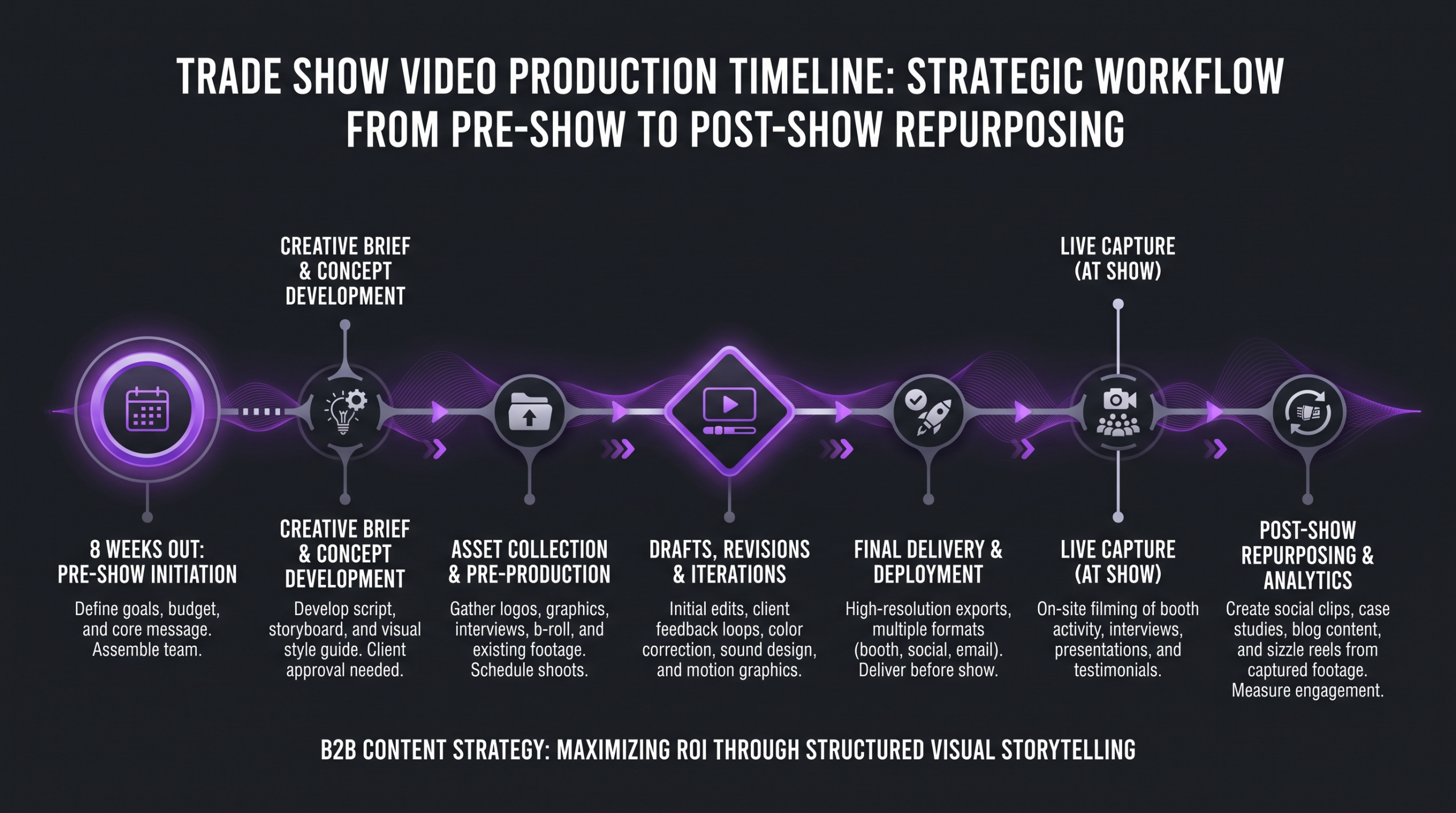
The Trade Show Video Production Workflow
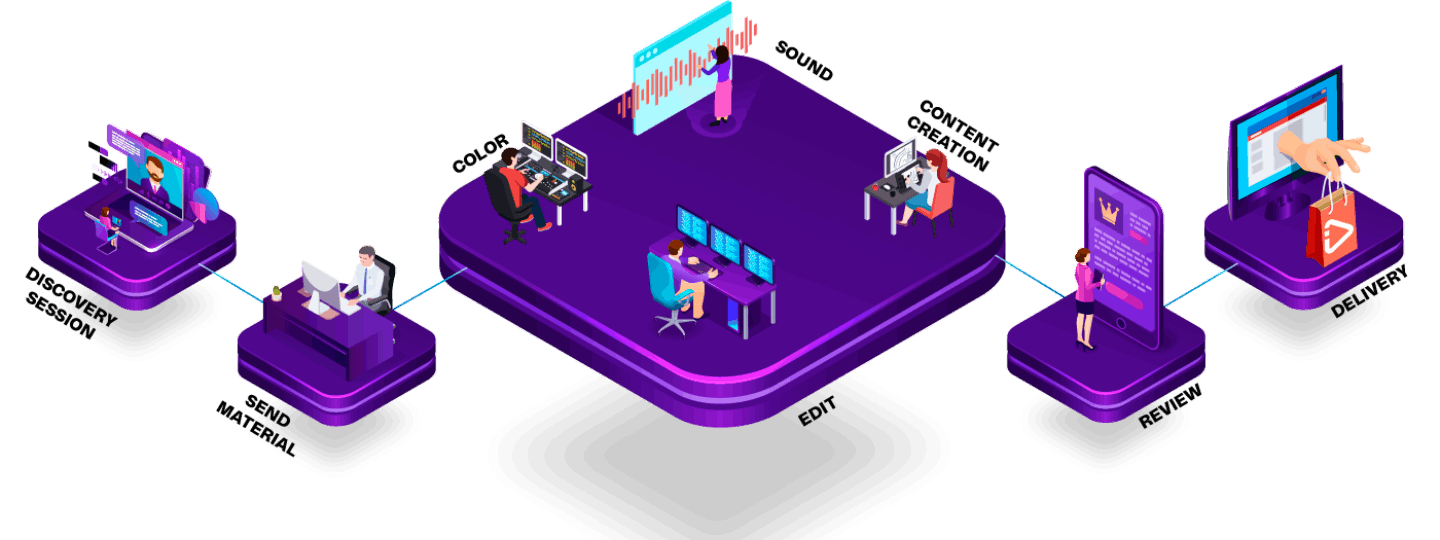
A polished set of trade show videos does not come together in the three days before the event. The workflow that consistently delivers quality assets — across all five formats, on time, at the right specs — starts six to eight weeks out. Here is the timeline that works for exhibitors with a professional editing team engaged from the beginning.
Pre-Show: Brief and Asset Preparation
The creative brief is where trade show videos are won or lost before a single frame is edited. A complete brief answers these questions: What is the core offer being communicated? Who is the viewer at this specific event — their industry, seniority, and the pain point they are most likely attending to solve? What action should the video drive — stop at the booth, pick up a device, initiate a conversation? What brand elements must appear, and are there compliance or legal review requirements (common in healthcare, financial services, and regulated technology sectors)?
Asset organization at this stage matters enormously. Exhibitors who can provide an editing team with existing product footage, brand guidelines, approved customer logos, reference videos, and style direction in a single organized handoff get first drafts in half the time compared to teams who drip-feed materials as the show deadline approaches. The editing team needs everything available at the start of the project, not piecemeal as it gets found in shared drives.
Working with a specialized video editing agency at this stage means getting a second set of eyes on the creative strategy, not just an execution team waiting for instructions. Agencies with event experience will flag when a requested video concept will not translate to a silent-viewing environment, when the requested runtime is too long for the booth context, or when the footage plan will not produce enough usable material for a full post-show recap.
On-Site: Capture Strategy
Even with all pre-show assets fully prepared, what gets filmed at the event itself can transform the post-show content package. The key is having a capture plan — knowing which moments to document, who may be available for a testimonial, and what coverage the recap will need. Without a plan, teams return from shows with hours of unusable hallway footage and almost nothing of the booth in operation, the product being demonstrated, or genuine customer interactions.
A designated on-site capture person — whether a staff member with a mirrorless camera or a hired videographer — should work from a shot list. Minimum requirements for a usable post-show recap package: the booth in the context of the hall (wide establishing shot), product or service in use at the booth (medium and close), at least two staff-prospect conversations (medium, with permission), one to three customer testimonials filmed at the event (60–90 seconds each), and event atmosphere b-roll covering keynote energy, floor traffic, and branded signage. Covering these six shot types guarantees the editor has enough material to construct a compelling narrative.
Post-Show: Edit, Package, and Repurpose
The post-show editing window is intentionally tight — the optimal release timing for a recap video is within 72 hours to one week of the event, while the show is still trending in your audience’s feeds and attendees are still mentally at the event. Teams using a retainer editing relationship — where the editing team already knows the brand’s existing assets, revision preferences, and approval chain — consistently hit this window. Teams using one-off freelancers miss it while onboarding someone who has never seen their brand before.
Repurposing is the final and often completely missed step. A well-edited two-minute recap contains inside it: a fifteen-second teaser for Instagram Reels, a sixty-second version for LinkedIn, individual testimonial clips for the post-show email follow-up sequence, and still frames for the slide decks used in post-show sales conversations. This repurposing map should be defined in the original creative brief so the editor structures the footage and cuts to support all these formats — not discovered as an afterthought three weeks after the show when the LinkedIn algorithm has moved on.
What to Look for in a Video Editing Partner for Trade Shows
Not every video editing service understands the live-event context. The traits that make an editor excellent for YouTube content or brand films are not the same traits that matter for trade show work. Here is how to evaluate specifically for this use case, and what the right partner looks like versus a general-purpose freelance hire.
Beyond the table, ask any prospective editing partner these three questions before committing to a project: Can you show me examples of booth loop videos specifically — not just event recaps or corporate brand films? How do you handle a 48-hour post-show turnaround request if I get you the footage on Monday morning? What is your process if the first draft does not match the brief? The answers reveal more about actual workflow readiness than any reel ever will.
For a broader analysis of these working models, the Increditors guide on video editing agency vs. freelancer covers the full trade-off spectrum across different project types, budgets, and organizational needs — relevant for any company making a structural decision about their editing relationship.
Why Specialist Post-Production Matters for Trade Show Budgets
Trade show participation is a significant budget commitment. Booth space at a major industry event — CES, NAB Show, Dreamforce, HIMSS, or a sector-specific equivalent — commonly runs into tens of thousands of dollars before staffing, travel, and physical materials are added. In that context, the editing budget for trade show video is a relatively small line item, but it determines how effectively the entire investment performs on the floor and beyond.
A poorly edited video on an expensive premium booth display does not look like a production budget problem to a floor visitor — it looks like a brand problem. Visitors interpret video quality as a direct signal of overall company quality and operational maturity. A clinical device manufacturer whose booth loop looks like a 2018 template explainer is communicating something about their standards whether they intend to or not.
The Technical Precision Trade Shows Demand
Trade show video has specific technical requirements that general-purpose video production services commonly underestimate. Display hardware at events is rarely broadcast grade. Expo screens frequently have custom native resolutions, limited color profiles, and platform-specific codec support requirements. Video delivered in the wrong format may stutter, display at incorrect aspect ratios, or clip highlights in ways that look unintentional on a 65-inch commercial panel in a well-lit convention hall.
A specialist editing team asks for display hardware specifications before final export — make, model, and playback software or media player in use — and delivers accordingly. This is not overthinking; this is the operational difference between a video that looks polished in the editing suite preview and one that actually looks polished on the show floor with hall lighting, competing visual noise, and a commercial display’s color rendering doing their worst. The Trade Show Executive publication regularly covers booth technology decisions including display specs and AV planning — exhibitors in larger shows increasingly standardize on specific hardware to minimize these variables.
Compliance Considerations in Regulated Industries
Exhibitors in regulated industries — healthcare, financial services, legal technology, defense — frequently have compliance review requirements for any external-facing content, including video displayed at public events. A specialist editing partner understands that revision timelines may need to build in a compliance review window, that certain claim language may need to be accompanied by on-screen disclaimers, and that footage of patients, clients, or identifiable individuals may require specific release documentation and handling protocols.
Publications like Event Marketer regularly cover how B2B exhibitors in regulated sectors approach event marketing strategy — and the recurrence of compliance themes in their coverage reflects how often this dimension is underestimated in the rush to get booth materials ready before setup day.
How Retainer Relationships Change the Economics
Companies that exhibit at multiple shows annually — a typical B2B calendar might include two to five major trade shows per year — get a structural advantage from a retainer editing relationship versus hiring per-event. The editing team accumulates brand knowledge over time: the approved graphic templates, the music libraries available for commercial use, the revision preferences and sign-off chains of internal stakeholders, the messaging hierarchy approved by product and legal. Each successive show requires less onboarding, fewer revision rounds, and faster turnaround as the relationship matures.
Increditors works with B2B companies and SaaS organizations on exactly this model — ongoing event and marketing video production that compounds brand knowledge across every engagement. If your trade show calendar means constantly rebuilding from zero with each production partner, a retainer relationship is worth evaluating in detail. The structure for SaaS companies is covered in the Increditors guide to video editing for SaaS companies — most of which applies directly to the trade show use case in B2B technology sectors.
The investment calculus for trade show video is straightforward once framed correctly: the booth space and logistics are a fixed cost. Video quality is the variable that determines how much return you extract from that fixed investment. For teams assessing total video production investment across formats and service models, the unlimited video editing services comparison guide provides a useful framework for understanding how different service models price recurring event video work — including which structures make financial sense for multi-show annual schedules.
Frequently Asked Questions
How long should a trade show booth video be?
For a looping booth display, 60–90 seconds is the established sweet spot — long enough to deliver substantive messaging across multiple audience segments who stop at different points in the loop, and short enough to feel complete within the typical 20–30 second glance window of a passing visitor. Product demo videos intended for interested prospects who have already stopped run two to four minutes. Post-show recap videos targeting social sharing work best at 90 seconds to two minutes. Each format serves a different context and a different viewer state; the runtime should follow the context, not a blanket preference.
Can we use our existing corporate video at the trade show booth?
You can, but it rarely performs as well as content edited specifically for the booth environment. Most corporate videos are designed for a seated viewer with audio on — not a standing, distracted passerby in a noisy expo hall. If budget requires reusing existing content, at minimum have it re-edited: remove audio dependency, increase on-screen text size, tighten pacing to a 60–90 second version, and ensure the value proposition lands in the first ten seconds. A booth-optimized re-edit of existing corporate video typically takes far less time and investment than building from scratch, while delivering a meaningful performance improvement over using the original unchanged.
What video formats should we request for the expo display hardware?
Ask the booth contractor or AV rental supplier for the display specifications before your editor delivers the final export. Common safe defaults: H.264 or H.265 MP4, 1920×1080 (or 3840×2160 for 4K-capable displays), 25 or 30 fps, high bitrate in the 20–50 Mbps range. Also request the playback software or media player model — some commercial display systems have codec restrictions that reject otherwise standard files. Ask your editing partner to deliver a test file at least two weeks before the event so playback can be verified on the actual booth hardware before setup day, not discovered as a problem the morning the show opens.
How quickly can a post-show recap video be delivered?
With organized footage, a clear brief agreed before the event, and an editing team that knows your brand and templates, a 90-second to two-minute recap can be delivered within 48–72 hours of footage submission. This timeline requires that the post-show brief — tone, structure, required elements, sign-off chain — is established before the event, not negotiated afterward. Teams that brief their editing partner mid-show or several days after the footage has been sitting on a drive consistently miss the optimal post-show engagement window, when their audience is still mentally in the context of the event and most receptive to show-related content.
Should trade show videos include subtitles or captions?
For booth loop videos, traditional closed captions are rarely appropriate — caption overlays disrupt the visual design of a looping ambient video. Instead, use kinetic typography and on-screen text that is integral to the motion graphics design itself, not a caption layer sitting on top. For testimonial videos and product demos being shared post-show on social platforms, burned-in subtitles are strongly recommended — LinkedIn and social video is predominantly consumed without audio in feed contexts, even by viewers who watched your booth video with full audio on the floor. Request a subtitled version alongside the clean export for all content intended for social distribution.
Verdict: Trade Show Video Is the Highest-Leverage Item in Your Booth Budget
Trade show participation is one of the more expensive line items in a B2B marketing budget. The booth rental, logistics, staffing, and materials costs are largely fixed once the show is committed. Video quality is the variable that determines how much return you extract from that fixed investment — and it is one of the most leveraged places to allocate incremental resources, because the editing cost is a fraction of what the booth itself costs.
The exhibitors who consistently outperform on the trade show floor share a recognizable pattern: they treat video as a strategic asset rather than a logistical checkbox; they engage their editing partner early enough to allow proper creative development and revision; they plan for downstream repurposing from the start so every video serves multiple channels; and they track post-show content performance to inform the next event’s investment decisions.
For B2B companies and SaaS organizations attending multiple events annually, the cumulative impact of this discipline becomes a genuine competitive advantage. A growing library of brand-consistent, professionally edited event content — booth loops, testimonials, recaps — gives your sales team assets that most competitors simply never think to build. The rep who follows up with a compelling two-minute recap video, or closes a post-event conversation with a testimonial clip from a recognizable name in the prospect’s industry, is working with tools that change the outcome of deals.
If your next trade show is already on the calendar, the conversation about video should start now — while there is still time to build the right assets, iterate on creative, and deliver everything tested and ready before setup day.
Ready for Video That Actually Converts?
Tell us about your project and we will put together a custom plan.