








![3D Explainer Video - ScribbleLive.mp4_snapshot_00.12_[2022.03.09_03.14.16]](https://increditors.com/wp-content/uploads/elementor/thumbs/3D-Explainer-Video-ScribbleLive.mp4_snapshot_00.12_2022.03.09_03.14.16-r7wb53mx72rxst3qcqyrfxdmeyzb5r9jbl0wbjujh4.png "3D Explainer Video – ScribbleLive.mp4_snapshot_00.12_[2022.03.09_03.14.16]")
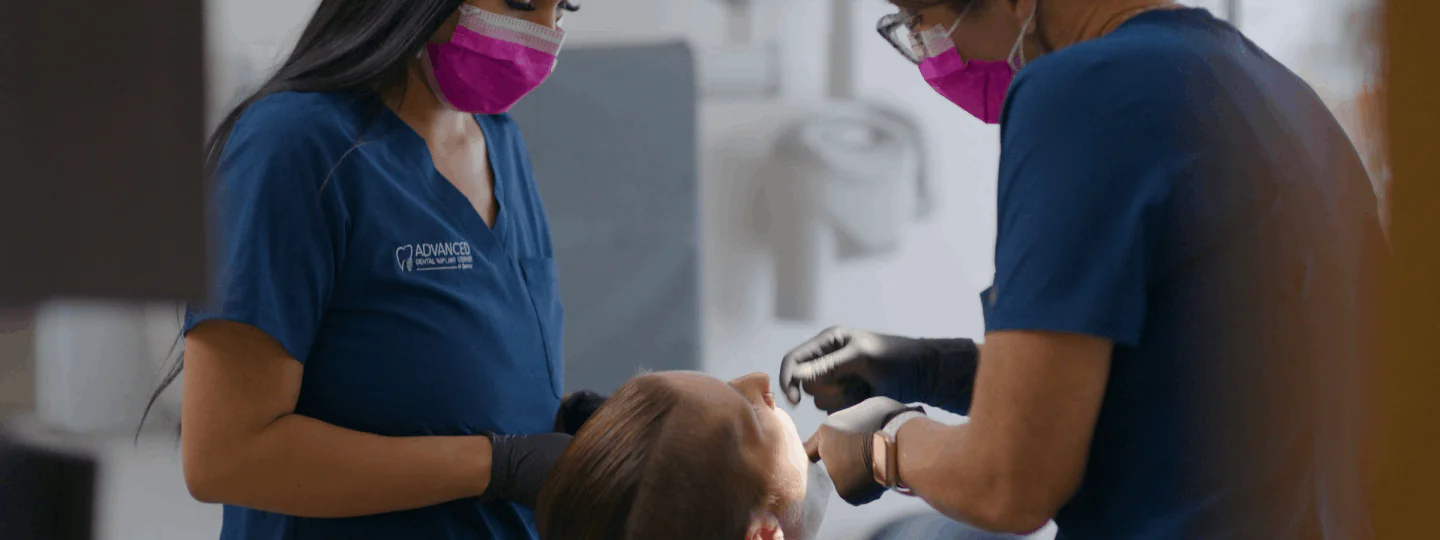


















Dallas-Fort Worth is home to a dense, competitive video production market. Local studios offer on-site convenience but carry significant overhead — rates for professional post-production typically run $150–$300/hr. Remote-first agencies like Increditors deliver comparable (often superior) quality at a fraction of the cost, with faster turnaround and no location lock-in. This guide breaks down the DFW market, what to expect to pay, and how to choose the right partner for your business in 2026.
- The Dallas-Fort Worth Business Landscape and Why Video Matters
- The Dallas Local Video Agency Market: What to Expect
- Video Editing Rates in Dallas: What You’ll Actually Pay
- Local vs Remote Video Editing: The Real Trade-Offs
- How to Choose the Right Video Editing Partner in 2026
- Industry-Specific Video Needs in Dallas
- Why Dallas Companies Are Going Remote-First for Post-Production
- FAQ: Video Editing Services in Dallas
- Verdict
The Dallas-Fort Worth Business Landscape and Why Video Matters
Dallas-Fort Worth ranks among the fastest-growing metro economies in North America. The region is home to more than 20 Fortune 500 headquarters — including AT&T, American Airlines, Exxon Mobil, and JPMorgan’s Texas operations — alongside a thriving SMB ecosystem that spans finance, healthcare, logistics, real estate, oil and gas, and a rapidly expanding technology corridor stretching from Plano to Irving. That concentration of commercial activity creates relentless demand for professional video content at every tier of the market.
For enterprises, video is no longer a marketing luxury — it is a distribution mechanism for investor relations, internal communications, training programs, and sales enablement. For mid-market DFW companies, social media video is often the single largest driver of qualified lead generation. Even smaller operators in sectors like real estate and healthcare are producing walkthroughs, testimonial reels, and educational content at a pace that would have seemed extraordinary five years ago.
The result: a Dallas video services market that is both sprawling and fragmented. Buyers range from corporate marketing directors with six-figure annual production budgets to solo founders spending a few hundred dollars a month on social content. Understanding which tier of the market you’re buying from — and what each delivers — is the foundation of a smart purchasing decision in 2026.
Key Industries Driving Video Demand in DFW
Finance and banking: Dallas is a significant financial hub, with a dense cluster of regional banks, credit unions, wealth management firms, and fintech startups. Compliance-driven explainer videos, executive thought leadership content, and customer onboarding videos are standard outputs from this sector.
Healthcare and life sciences: Texas Medical Center infrastructure has a Dallas satellite presence, and the metro hosts major hospital systems including UT Southwestern and Baylor Scott & White. Healthcare video spans patient education, facility tours, physician recruitment reels, and conference presentations.
Logistics and supply chain: DFW International Airport is one of the busiest cargo hubs in the world, and the surrounding industrial corridor is a logistics powerhouse. Warehouse walkthroughs, driver recruitment videos, and supply chain explainers are common production requests.
Real estate: DFW’s perpetually active real estate market — both residential and commercial — generates continuous demand for property walkthroughs, agent brand videos, and development pitch decks. High-volume real estate teams often produce dozens of property videos per month.
Oil, gas, and energy: Texas’s energy sector remains significant, with midstream operations, energy trading firms, and a growing renewable energy segment all requiring corporate video for investor relations, safety training, and brand positioning.
The Dallas Local Video Agency Market: What to Expect
The DFW local video production and editing market is well-developed by any metric. The metro supports hundreds of production companies — from large full-service studios with dedicated post-production suites in Uptown and the Design District, to boutique shops in Addison, Frisco, and Fort Worth catering to specific verticals or budget tiers.
Local agencies broadly fall into three categories. First, full-service production companies that handle shoot coordination, cinematography, and post-production under one roof. These tend to be the most expensive, as clients absorb the cost of maintaining physical studios, equipment fleets, and in-house editing staff. Second, production-only shops that focus on the shoot and hand raw footage to either the client or a separate post house. Third, post-production specialists that handle only editing, color, sound, and delivery — these are the closest competitors to remote editing agencies.
What Local DFW Studios Do Well
Local studios excel at projects where physical presence is non-negotiable: same-day event coverage, live multi-camera productions, location scouting in the area, and jobs requiring tightly coordinated logistics between shoot and edit. When a Dallas-based corporate client needs a studio shoot and same-week turnaround with in-person review sessions, a local partner can compress that timeline in ways a remote team cannot match for the coordination elements specifically.
Local agency relationships also carry relationship capital — account managers who attend client events, understand the nuances of local market culture, and can facilitate introductions within the DFW business community. For some enterprise buyers, that proximity justifies a premium.
Where Local Studios Tend to Fall Short
The overhead model that enables physical presence is also a structural disadvantage on price. Dallas studio leases in desirable areas run several thousand dollars per month before equipment depreciation, staff salaries, software licenses, and business development costs are factored in. That overhead is distributed across client invoices. Buyers in 2026 are increasingly aware that they are subsidizing square footage when they hire locally, and many are asking whether the on-site benefit justifies the cost difference versus a remote-first specialist.
Bandwidth is also a persistent issue at local agencies. A well-regarded Dallas studio may have two or three senior editors. When that studio is at capacity — which mid-tier shops frequently are during Q4 — turnaround times slip. Remote-first agencies typically operate with distributed editor pools that scale to demand.
💡 Pro Tip: Before signing with any local Dallas studio, ask specifically about their post-production team size and current backlog. A boutique shop with two editors carrying six active enterprise clients may quote you a two-week turnaround that quietly becomes five weeks by the time your project enters the queue.
Video Editing Rates in Dallas: What You’ll Actually Pay
Pricing in the Dallas video market varies significantly based on the type of provider, scope of deliverables, and whether you’re engaging for production, post-production, or both. The ranges below reflect post-production and editing services specifically — not full production packages that bundle cinematography and crew.
Understanding how much professional video editing costs before you enter vendor conversations is one of the highest-leverage things a DFW buyer can do. Rates are not always posted, and without market context, buyers routinely overpay or misread what a quote actually includes.
What Drives Pricing Up in the DFW Market
Several factors push Dallas video editing costs toward the higher end of any given range. Motion graphics and animation add significant hours — a 60-second animated explainer that requires custom illustration and kinetic typography can represent three to five days of editor time, not counting revision cycles. Color grading for broadcast-quality deliverables adds another tier of specialist cost. Audio post-production — mixing, noise reduction, music licensing — is frequently underestimated by buyers and often priced separately by local studios.
Rush timelines also carry premiums. A project that needs a 48-hour turnaround versus a standard five-to-seven business day window will commonly attract a 25–50% surcharge at local studios that need to reprioritize existing work. Remote-first agencies with distributed teams can often absorb rush requests more gracefully without punishing the client financially.
Retainer vs Project-Based Engagement
Dallas companies with consistent content needs — weekly social videos, monthly webinar cuts, quarterly brand films — often find retainer arrangements more economical than per-project billing. Retainer contracts typically reduce the effective per-video cost by 20–40% compared to spot pricing, and they guarantee bandwidth during high-demand periods. The trade-off is committing to a monthly spend regardless of volume fluctuation. For businesses with relatively predictable production rhythms, the math typically favors retainers.
Local vs Remote Video Editing: The Real Trade-Offs
The local vs remote decision is genuinely nuanced, and the right answer depends on the nature of your production workflow. The framing that “local is better because you can meet in person” collapses quickly under scrutiny once you map how modern video production actually operates.
Most professional footage shot in Dallas today is transferred digitally — via Frame.io, Dropbox, or cloud storage — not physically handed off. Review and approval cycles for edited content are handled through collaborative review platforms. Client feedback is given in comments, timestamps, and version notes. The physical proximity of your editor is rarely relevant to the actual workflow once a shoot is complete. The case for local post-production is often more emotional than operational.
That said, there are genuine use cases where local proximity is operationally valuable: same-day event coverage where footage needs to be cut and delivered before you leave the venue; complex multi-day shoots that require ongoing editorial direction on location; projects with extreme confidentiality requirements where digital file transfer is not permitted by legal or compliance teams. Outside of those scenarios, the remote-first model is broadly competitive.
For a more structured comparison between agency and freelance models — which maps onto much of the local vs remote decision — the breakdown at video editing agency vs freelancer is worth reading before you finalize your procurement approach.
💡 Pro Tip: Map your actual production workflow before choosing a vendor type. If you’re handing off footage digitally, receiving edits for online review, and giving feedback via timestamps — you’re already operating remotely. The only question is whether you’re paying local overhead for it.
How to Choose the Right Video Editing Partner in 2026
Whether you’re a DFW corporate marketing director managing a quarterly content calendar or a Dallas-based founder producing your first brand video, the evaluation criteria are largely the same. The signals that reliably predict a good editing partnership are: demonstrated portfolio in your format and industry, a structured revision and approval process, transparent pricing, and evidence of consistent turnaround performance.
Evaluate Portfolio Specificity
A portfolio that shows broad technical range is table stakes. What actually differentiates editing partners is experience with your specific format. A real estate brand hiring for property walkthroughs should look for examples of drone-to-interior cuts, well-paced tour edits, and branded lower-third packages — not just “we’ve done real estate before.” A healthcare system commissioning patient testimonials should see examples of warm, trust-building edit styles with careful subtitle handling, not just a general reel.
Ask prospective partners to show work that is closest to what you need, not their “best” work in the abstract. A highly skilled editor who primarily works on commercial narrative might be less effective for a high-volume social media content pipeline than an agency that has refined that specific workflow across many clients.
Probe the Revision Process
How a vendor handles revisions reveals more about client experience than any portfolio clip. Ask how many revision rounds are included, how feedback is submitted and tracked, what happens when revision requests exceed scope, and what the average time is between submitting feedback and receiving a revised version. Agencies that have systematized this process — with clear timelines, structured feedback tools, and defined scope boundaries — consistently deliver better outcomes than those handling revisions informally.
Verify Turnaround Claims
Quoted turnaround times are often aspirational rather than operational. Request references from current clients, specifically asking about turnaround consistency rather than overall satisfaction. Check platform reviews (Google, Clutch, G2) for patterns in complaints — persistent turnaround delays tend to surface in review data even when an agency’s headline reputation is strong.
When evaluating subscription-based services, look at published comparison data. Resources like comparisons of unlimited video editing services lay out turnaround benchmarks and service scope differences across the major providers — useful market context before you sign a retainer.
Assess Communication Infrastructure
A Dallas company working with a remote editing partner across time zones needs clear communication protocols. What is the response time SLA for project updates? Is there a dedicated project manager or account contact, or do requests go into a general queue? What happens if your primary editor is unavailable mid-project? These are infrastructure questions, not just service questions, and they matter for any ongoing relationship.
Industry-Specific Video Needs in Dallas
Dallas’s industry mix creates distinct post-production requirements that not every editing team is positioned to handle. Here’s how specific sectors typically approach video production in the DFW market:
Real Estate Video in DFW
High-volume real estate teams in Dallas, Frisco, McKinney, and Southlake routinely produce ten to thirty property videos per month during active markets. The editing workflow is largely templated: branded intro, property walkthrough cut, aerial drone sequence, neighborhood b-roll, branded outro. The challenge is maintaining quality and brand consistency at speed and scale. Many real estate agencies discover that individual freelancers can’t sustain this volume without quality degradation, and that local studios quote per-video rates that make high-volume production cost-prohibitive. A video editing agency operating on a retainer model is typically the most economical and operationally sound solution for high-volume real estate content.
VideoEditingCompany is another strong remote option worth evaluating for B2B and SaaS brands in the region. Their model centres on dedicated editor teams paired to client accounts on a monthly retainer — rather than rotating editors per project — paired with a strategy-led approach to post-production that goes beyond raw assembly. For brands that need consistent brand voice at scale, with Central time scheduling and an account-based editor model suited to Dallas’s enterprise-heavy B2B content programs, it’s a credible second option alongside Increditors.
Corporate and Enterprise Video
Dallas’s Fortune 500 and large enterprise base generates demand for polished, brand-compliant video across a wide range of formats: executive keynote recordings, town hall cuts, investor day presentations, training and onboarding modules, and conference highlight reels. These projects typically require strict brand guideline adherence, multiple approval layers, and often complex caption and translation deliverables. Corporate video buyers in this tier are generally less price-sensitive than they are turnaround- and compliance-sensitive.
Healthcare and Life Sciences
Healthcare video in the Dallas market demands careful handling of sensitive subject matter, HIPAA-compliant file handling procedures, and edit styles that project warmth and clinical credibility simultaneously. Patient testimonials, facility tours, and physician recruitment videos are common formats. Healthcare teams commonly report that the edit review process requires more rounds than comparable corporate content, and that pricing structures that penalize revisions create friction with their internal approval workflows.
SMB and Startup Social Content
Dallas’s growing startup and SMB ecosystem — particularly in the Uptown, Deep Ellum, and Las Colinas corridors — produces a high volume of social video content: Instagram Reels, TikToks, LinkedIn video, YouTube Shorts, and founder-led thought leadership content. This tier is volume-sensitive and platform-responsive. Edit styles need to evolve quickly as platform algorithms shift. Remote-first agencies that specialize in social formats and track format performance across their client base are often better positioned here than generalist local studios.
Why Dallas Companies Are Going Remote-First for Post-Production
The shift toward remote-first video editing partnerships among Dallas businesses is not primarily about cost, though cost is a significant factor. It’s about operational efficiency. Companies that have moved to remote-first post-production consistently report faster project initiation (no scheduling around studio availability), more predictable turnaround times, and the ability to scale output during high-demand periods without renegotiating contracts or absorbing overtime premiums.
The tools that enable effective remote collaboration — Frame.io for review, Slack or Teams for project communication, cloud storage for asset handoff — are now standard in marketing operations. The friction that once justified local proximity has been largely engineered away. What remains is a market where geography is increasingly irrelevant to edit quality, and where the companies that insist on local-only vendors are often paying a location premium that delivers no workflow benefit.
How Increditors Serves the Dallas Market
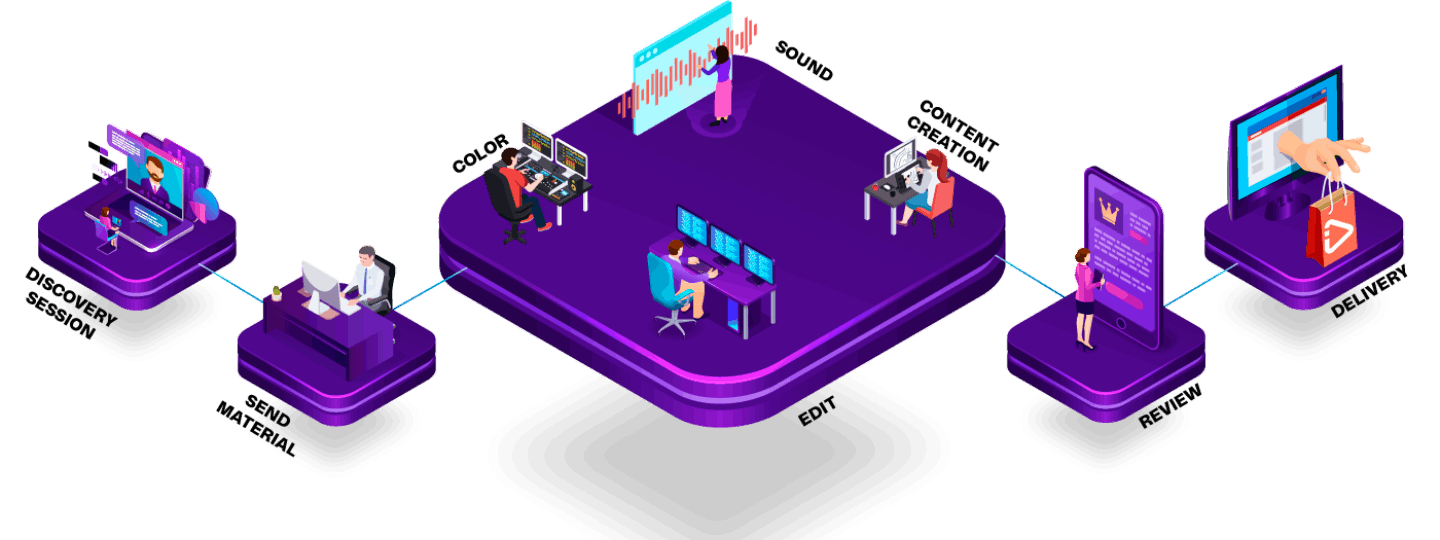
Increditors is a remote-first video editing agency built specifically for brands and businesses that need consistent, high-quality post-production without the overhead of a local studio relationship. Dallas-based clients work through a structured intake process: brand guidelines are documented, an editor or editing team is assigned to the account, and ongoing projects are managed through a dedicated project workflow.
There is no Dallas office — and that is the point. The cost savings from operating without local studio infrastructure are passed through to clients in the form of more competitive pricing and, critically, in the ability to invest more in editorial quality and project management than a studio carrying significant fixed overhead can afford to. Dallas clients get the same deliverables they would expect from a premium local agency, without subsidizing square footage on McKinney Avenue.
For DFW businesses evaluating Increditors specifically, the onboarding process begins with a discovery call to scope the production volume, format requirements, and brand standards. From there, pricing is structured around the actual scope of work — not against an arbitrary hourly rate that inflates with studio overhead.
FAQ: Video Editing Services in Dallas
How much does video editing cost in Dallas?
Post-production costs in Dallas vary widely by provider type. Full-service local studios typically run $150–$400 per hour, with project-based pricing ranging from $2,000 to $25,000 or more for complex deliverables. Boutique post houses and local freelancers cover the mid and lower tiers. Remote-first agencies serving the Dallas market offer retainer-based pricing that can significantly reduce the effective per-video cost compared to spot rates — plans typically start in the $500–$2,000/month range depending on volume and format complexity.
Do I need a local Dallas video editor for my project?
For most post-production work, no. If you’re handing off footage digitally, reviewing edits online, and giving feedback through timestamp comments, the physical location of your editor is operationally irrelevant. Local presence is genuinely valuable for same-day event coverage, complex on-location multi-camera productions, and situations where file transfer is restricted by legal or compliance requirements. Outside of those specific scenarios, remote-first agencies deliver equivalent output without the local overhead premium.
What is the typical turnaround time for video editing in DFW?
Standard turnaround at Dallas local studios runs five to ten business days for most commercial or corporate projects, with premium pricing for rush delivery. Remote-first agencies with distributed editing teams can often deliver first cuts in two to three business days for standard social and short-form content. Turnaround for complex long-form or broadcast-level projects — corporate documentaries, multi-episode series — typically runs two to four weeks regardless of provider type, with timeline heavily dependent on revision cycle efficiency.
What types of video content do Dallas businesses most commonly need?
The most common video formats requested by Dallas businesses reflect the metro’s industry mix: corporate brand films, real estate walkthroughs, social media content (Reels, Shorts, LinkedIn video), event highlight reels, training and onboarding modules, executive thought leadership, product demos and explainers, customer testimonials, and healthcare facility tours. Real estate and social media video represent the highest volume categories by project count, while corporate and enterprise video represents the highest value per project.
How do I evaluate video editing agencies before hiring?
Request portfolio samples that match your specific format and industry — not their general highlight reel. Ask about revision process, turnaround time SLAs, team structure, and how they handle projects when your primary editor is unavailable. Check third-party reviews on platforms like Clutch and Google. For remote agencies, run a small paid test project before committing to a retainer. Compare multiple providers using structured criteria rather than headline pricing alone.
Verdict: Video Editing Services in Dallas in 2026
Dallas-Fort Worth has a mature, well-developed video production market. Local studios and post houses serve a genuine need for on-location shoots, event coverage, and the portion of enterprise clients that require in-person creative collaboration. For those specific use cases, the premium for local service is often justified.
But for the majority of Dallas businesses — brands producing consistent social content, marketing teams running ongoing content calendars, real estate operators needing scalable volume, SMBs building their first content library — the local-only model is increasingly difficult to justify on economic or operational grounds. Remote-first agencies deliver equivalent post-production quality at lower cost, with more scalable bandwidth and increasingly sophisticated collaboration tooling that eliminates the workflow friction that once made geographic proximity feel necessary.
The smart procurement decision in 2026 is to evaluate partners on output quality, process reliability, and total cost — not on zip code. Dallas has excellent local options for the right use cases. For everything else, the best editing partner might be the one who can deliver the best work at the most efficient price point, regardless of where their team sits.
Ready for Video That Actually Converts?
Tell us about your project and we will put together a custom plan.