









































Last checked: October 2026 (every price read on the vendor’s own site on 25 Oct 2026).
Short answer
Podcast video editing software costs $0-$65 a month; a service costs $135-$550 per episode. Pick software if you enjoy editing and publish rarely. Pick a service once an episode costs you more than a couple of hours, or you need clips and a consistent finish.
TL;DR
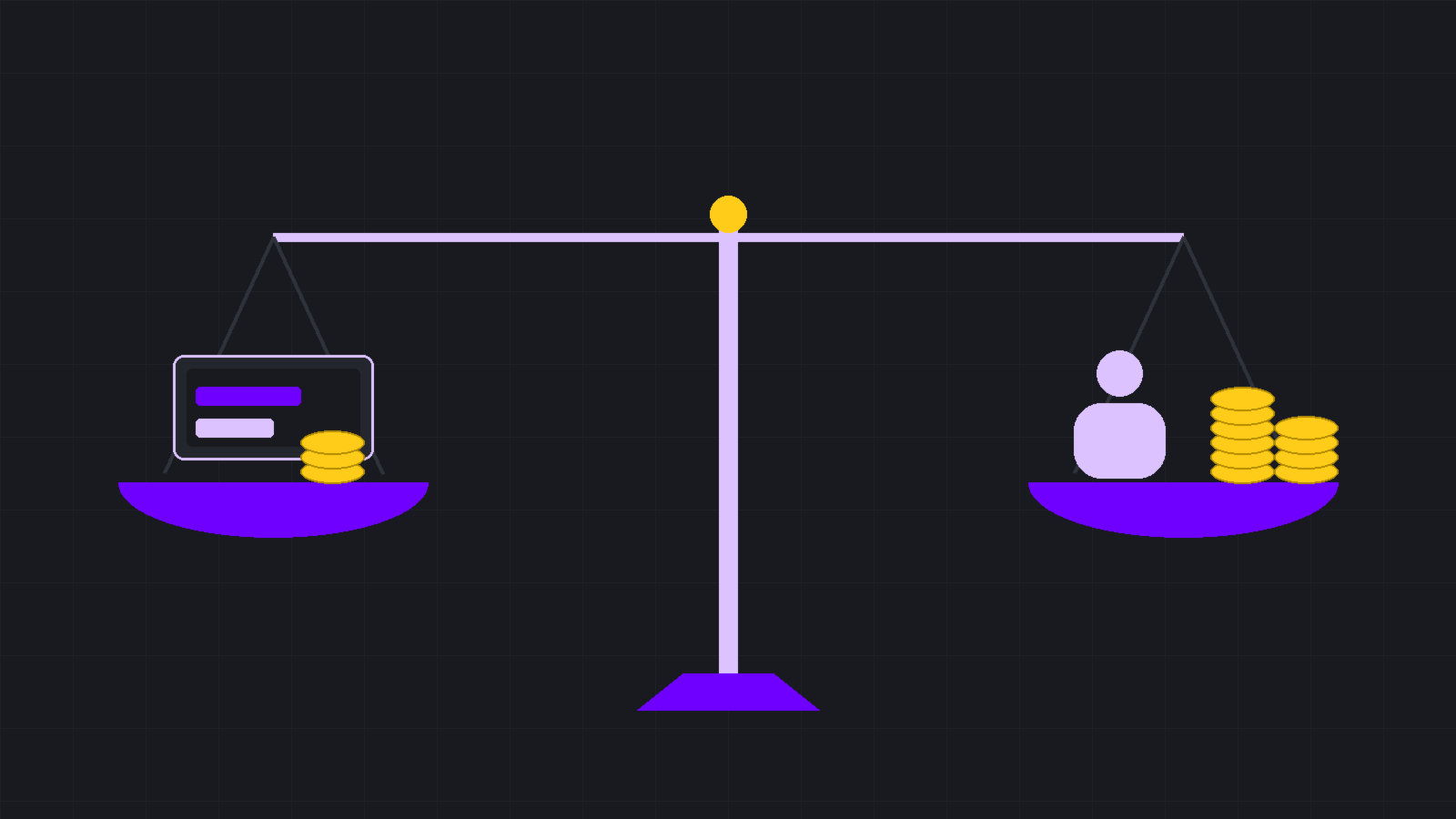
Software is cheap in dollars and expensive in hours; a service is the reverse. We read 13 software price points and 11 service price points on vendor sites, then worked out the break-even: for a weekly show, a $230 edit beats a Riverside-plus-Descript stack once the edit costs you more than about 2.1 hours at $100 an hour. The best B2B setup is usually hybrid: record with software, hand the files to an editor.
Table of Contents
Podcast video editing software and a podcast video editing service solve the same problem at opposite ends of the time-money trade. This guide puts both on one page with dated prices, then converts them to a cost per episode that includes your own hours. It is different from our Descript vs hiring an editor piece, which compares one tool with one freelancer, and from our podcast video editing service page, which describes what we do. Here we compare the whole software category (Descript, Riverside, CapCut, Final Cut Pro, DaVinci Resolve, Gling, Opus Clip, Alitu) with the whole service category, from $135 editors to dedicated teams. We are a video editing agency, so our own prices stay out of the tables and we disclose that in the method section.
The short answer
💡 Read this first: Every price in this guide is a list price in USD read on the vendor’s own page on 25 Oct 2026. Subscription tools change plans often and services quote above or below list, so treat the numbers as a planning range, not a quote.
What the software costs
Thirteen software price points follow, all read on 25 Oct 2026. Annual billing is the headline price on most pages, so we show annual and monthly where the page does. A subscription tool is not an editor: it speeds up whoever is editing.
The pattern is simple. Recording and rough-cut tools sit at $16-$39 a month (Descript Hobbyist and Creator, Riverside Pro and Grow). AI helpers that do one job, such as silence removal (Gling) or clip finding (Opus Clip), cost $10-$40 a month each. Full desktop editors are a different category: Final Cut Pro at $12.99 a month or $299.99 once, and DaVinci Resolve Studio at $236 on the day we read the page, with a free edition also offered. A realistic stack for a video podcast is a recorder plus a cut tool, for example Riverside Pro at $29 plus Descript Creator at $35 month to month, which is $64 a month or $16 per episode for a weekly show (our arithmetic).
We did not price Adobe Premiere Pro. Adobe’s page is script-rendered and our fetch returned no price, so we left it out rather than quote a figure we could not read. CapCut’s pricing page returned UAE dirhams to us (AED 69.99 a month for Pro), so we show it as read and do not convert it.
💡 Pro Tip: Read the media-hours line, not just the monthly price. Descript Hobbyist includes 10 media hours a month, Creator 30 and Business 40 per its page. Long raw recordings and extra camera angles use it fast, and top-ups cost extra.
What a service costs
Eleven service price points follow. Flat per-episode rates cover an episode of up to about 60 minutes of raw tape unless stated; monthly plans are converted to a per-episode figure by dividing by the plan cap, and the note column says so. For a deeper per-vendor view, see our podcast video editing cost guide and the podcast editing price index.
Three tiers show up. Self-serve editors (PodEdit at $135, We Edit Podcasts Basic at $230) sit at $135-$230. Finished multi-camera packages (Next Day Podcast at $300, Podcast Fast Track at $350, We Edit Podcasts Premium at $550) sit at $300-$550 and add lower thirds, B-roll and grading per their pages. Team retainers that also cut the clips (the Video Editing Company at $5,000 and $9,500 a month) are a different product: you are buying a team with a content plan, not a cleaned-up recording.
💡 Heads up: A price per episode is not comparable across vendors until you match the raw length, the number of camera angles, what comes back (long-form only, or clips and show notes too) and the revision limit. We Edit Podcasts, for example, lists 10 content edits on Basic and 25 on Premium.
The real comparison: cost per episode with your time
The software bill is small. The cost that decides the question is the hours you spend editing. We cannot tell you how long your edit takes, and no vendor publishes a reliable average, so we did the arithmetic the other way round: how many hours per episode would you have to spend before a service is cheaper? The formula is (service price per episode minus software cost per episode) divided by the value of one hour of your time. We use a weekly show (4 episodes a month) and a $64-a-month Riverside-plus-Descript stack ($16 per episode). The $50, $100 and $200 hourly values are illustrative inputs, not market data.
Read the table like this: at $100 an hour, a $230 We Edit Podcasts Basic edit is cheaper than doing it yourself the moment your editing takes more than 2.1 hours per episode. The more your time is worth, the sooner a service wins; at $200 an hour even a $550 Premium edit pays off at 2.7 hours. For a sanity check on how long specialists take, one podcast editor that lists $95 an hour also publishes a $675 fixed rate per episode on a season contract (up to 60 minutes, including write-up copy and upload), roughly seven hours of work at its own hourly rate (our arithmetic, from its rates page).
💡 Pro Tip: Run one stopwatch test. Edit your next episode yourself, write down the hours from raw file to published, then send the same files to a flat-rate vendor for a paid test. Your hours times your hourly value against the vendor’s fee settles the question with your own numbers.
What each option actually does
Recording and text-based editing: Descript and Riverside
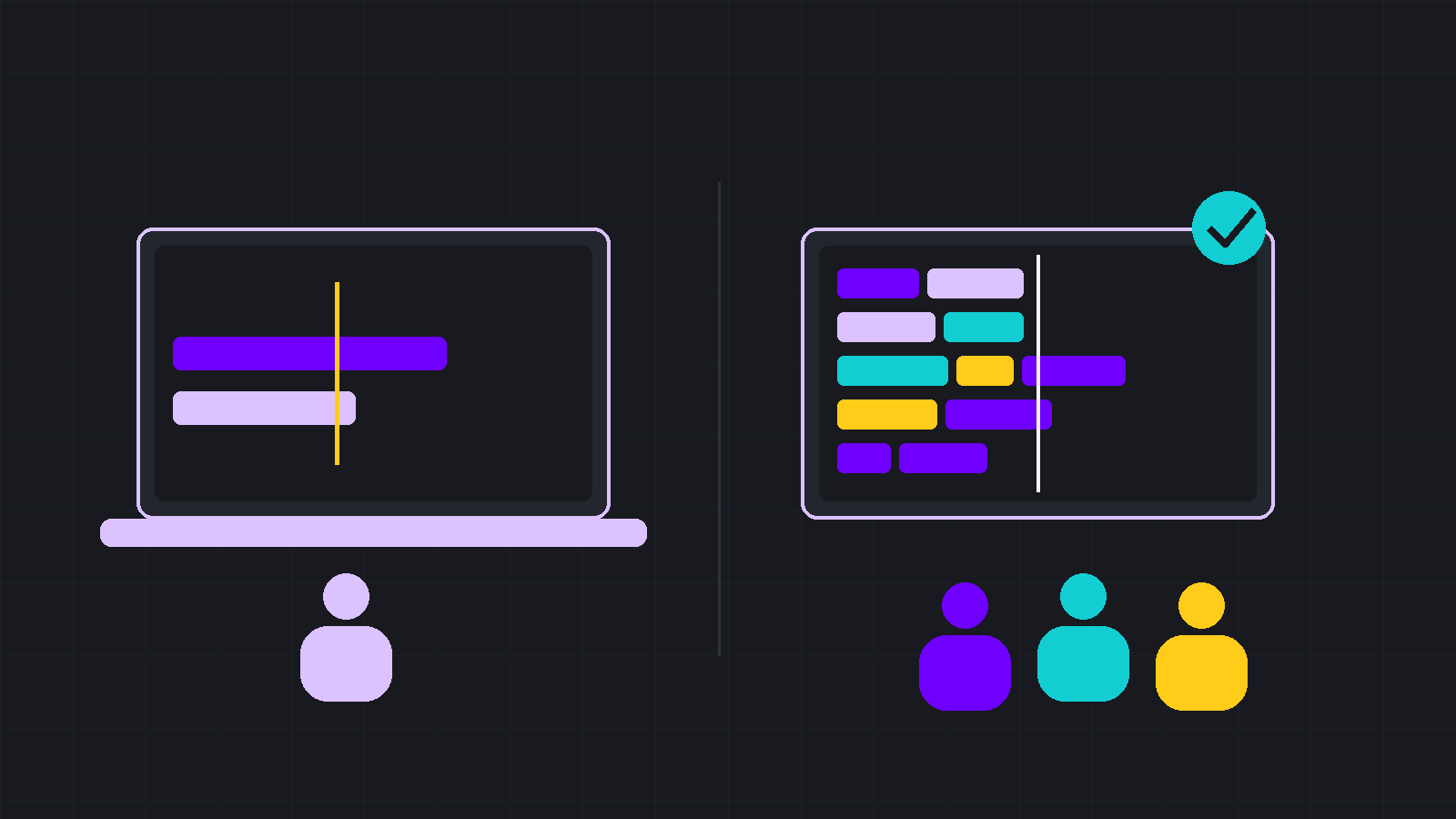
Descript’s pricing page lists text-based editing, Studio Sound, filler-word removal and clip creation. Riverside’s Pro plan lists up to 4K recording, unlimited text-based editing and an AI editing and repurposing agent. Both turn a conversation into a decent first cut quickly. Neither decides which story to keep or keeps your intro, captions and lower thirds consistent from episode to episode.
Desktop editors: Final Cut Pro, DaVinci Resolve, CapCut
Final Cut Pro and DaVinci Resolve are full editors with the learning curve that implies; they pay off if you or a team member already edits. CapCut is the low-friction option and has a free tier per its pricing page. All three let you build the polished multi-camera cut, but the hours are yours.
Single-job AI helpers: Gling and Opus Clip
Gling’s page prices AI-edited media by the hour (Plus covers 10 hours a month). Opus Clip prices by credit (Starter has 150 a month) and markets AI clipping with a virality score. They shorten the rough cut and the clip hunt. They do not replace a human editor’s call on what to say in the first five seconds.
Done-for-you apps and editors: Alitu and flat-rate services
Alitu lists a $38-a-month podcast maker app and, on the same page, a hands-off editing service from $295 a month. That is the middle path: software that guides you, plus an option to hand the edit over. Flat-rate editors (PodEdit, Next Day Podcast, Podcast Fast Track) take the file and return the episode; managed teams (a podcast production agency or a B2B retainer) also own clips, thumbnails and the posting calendar. Our guide to hiring a podcast production agency lists what to ask before you sign.
Podcast production agencies sit above all of this. They bundle strategy, recording, editing and clips into one monthly price, which is why their quotes start in the thousands rather than the hundreds. For a vetted list aimed at business shows, see our top podcast production companies for B2B teams.
Which one to pick
💡 Heads up: If a clip-heavy plan is what you need, price the clips separately. Next Day Podcast lists social clips at $50 each and Podcast Fast Track lists three teasers at $175 per episode on their pages on 25 Oct 2026, so a nine-clip month adds hundreds on top of the edit fee. Our podcast clip strategy guide covers which clips are worth cutting.
The hybrid setup
Most business podcasts we see end up hybrid. The pattern is short and repeatable:
- Record in Riverside or a similar tool so each speaker is a separate track (Riverside’s free plan shows multi-track recording at up to 720p with a watermark; Pro removes it per its page).
- Hand off the files to an editor on a flat rate or monthly plan, with a one-page style sheet for intros, captions and lower thirds.
- Keep Descript for transcripts, show notes and last-minute fixes; $16-$24 a month is cheap insurance.
- Review the long-form and the clips before publishing; you own the call on what goes live.
The cost is the software bill plus the edit fee. On the data above, that is roughly $29-$64 a month in tools plus $135-$550 per episode, or about $570-$2,260 a month for a weekly show before add-ons (our arithmetic: tools plus 4 episodes). The saving is every editing hour you stop doing, and the consistency you gain when the same editor touches each episode.
Where B2B podcasts land
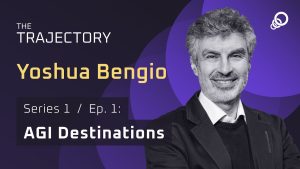
A podcast that exists to generate pipeline needs more than a clean edit. It needs a YouTube and LinkedIn cut, five to ten clips per episode, captions, chapter timestamps and a consistent look, which moves the purchase from the $135-$550 band into the monthly-team band. The Video Editing Company (videoeditingcompany.com, our sister division, a premium retainer service for B2B and SaaS teams) lists $5,000 and $9,500 a month for a dedicated team, as read on its pricing page. Increditors is a video editing agency with 1,700+ videos delivered for 340+ clients and a 5.0 rating from 12 reviews on Clutch; podcast work includes TuMeke and Emerj’s The Trajectory, embedded above. Podcast pilots start from $1,500; beyond that we scope on a call. You can read how case work runs on our case studies page, or see the buyer-side checklist in our B2B podcast production company guide.
Questions that separate a cheap editor from a pipeline-grade one: who chooses the clips, what the revision policy is, how long raw files are kept, what turnaround looks like for a rush guest, and whether the same editor works on your show each week. If you want to talk it through, you can book a meeting and we will tell you honestly whether software alone is enough.
How we collected this data
Method. We opened every vendor page on 25 Oct 2026, kept a row only if the page returned HTTP 200 and showed the price, and recorded the source URL for each. Software: 13 price points across 8 vendors. Services: 11 price points across 6 vendors; the service rows reuse vendors we price in our podcast editing guides and were re-read for this post. We left out Adobe Premiere Pro (price not readable by our fetch) and did not convert CapCut’s dirham price. Prices are list prices in USD unless stated. Break-even hours, per-episode figures from monthly plans and the stack total are our arithmetic and labelled as such; the $50, $100 and $200 hourly values are illustrative inputs, not market data.
Disclosure. This guide is published by Increditors, a video editing agency, and includes our own services. The Video Editing Company is operated by the same group as Increditors. We did not rank vendors; we priced them.
Limitations: list prices change, promotions (DaVinci Resolve was on sale when we read it) distort the picture, and a small vendor sample means the ranges are indicative. If you spot a stale price, tell us through the contact page and we will correct it.
FAQ
Can software replace a podcast video editor?
For a simple conversation show, yes: Descript lists text-based editing, filler-word removal and clip creation from $16 a month, and Riverside’s Pro plan records in up to 4K from $24 a month. What software cannot do is decide which 30 seconds of a 60-minute episode will earn a click, keep a consistent look across 50 episodes, or take the job off your calendar. That judgment and the hours are what a service sells.
How much does podcast video editing software cost in 2026?
From $0 to about $65 a month for a typical stack. Descript runs $16-$50 a month on annual billing ($24-$65 monthly), Riverside Pro is $24 annually or $29 monthly, Final Cut Pro is $12.99 a month or $299.99 once, and DaVinci Resolve Studio was $236 on sale. All read on vendor pages on 25 Oct 2026.
How much does a podcast video editing service cost per episode?
Flat per-episode rates we read on 25 Oct 2026 ran from $135 (PodEdit, 30-60 minutes of video) to $550 (We Edit Podcasts Premium), with $230-$350 in the middle. Monthly plans bring the figure to about $212-$450 per episode, and a dedicated B2B team that also cuts the clips starts at $5,000 a month for two long-form episodes.
Is Descript or Riverside enough for a B2B podcast?
They are enough to record and rough-cut. A B2B show usually also needs a YouTube cut, five or more clips per episode, captions, a consistent brand look and someone accountable for turnaround, which is a workflow rather than a tool. Many teams use Riverside to record and hand the files to an editor.
When should I switch from software to a service?
Use the break-even rule: divide the price gap between a service and your software stack by what an hour of your time is worth. At $100 an hour, a $230 episode beats doing it with the $64-a-month Riverside-plus-Descript stack once editing takes you more than about 2.1 hours per episode (our arithmetic, weekly show). Time your next episode with a stopwatch and compare.
Can I use software and a service together?
Yes, and it is the most common setup for B2B shows. You record in Riverside (or any recorder), a service edits the long-form episode and cuts clips, and you keep Descript for quick fixes and transcripts. You pay the software bill and the edit fee, but not your own editing hours.
Changelog: 25 Oct 2026 – first published: 13 software price points and 11 service price points read on vendor sites; break-even table added.
About the author
Increditors Team
The Increditors editorial team is made up of working video editors and producers at a video editing agency that has delivered 1,700+ videos for 340+ clients. We publish buyer guides from live vendor pages and say clearly when our own services are included.
Want a Quote for Your Podcast?
Tell us about your show and we will put together a custom plan.
Clients, on camera