








![3D Explainer Video - ScribbleLive.mp4_snapshot_00.12_[2022.03.09_03.14.16]](https://increditors.com/wp-content/uploads/elementor/thumbs/3D-Explainer-Video-ScribbleLive.mp4_snapshot_00.12_2022.03.09_03.14.16-r7wb53mx72rxst3qcqyrfxdmeyzb5r9jbl0wbjujh4.png "3D Explainer Video – ScribbleLive.mp4_snapshot_00.12_[2022.03.09_03.14.16]")






















Testimonial video costs typically range from around $300 for editing-only of remote footage to $15,000 or more for a polished multi-subject on-site production. The single biggest lever is whether you are paying for a camera crew or just professional post-production. For most B2B teams, having clients self-record and investing in premium editing delivers the strongest return on investment.
- What Testimonial Video Production Actually Costs
- Remote-Recorded vs. On-Site Shoot: The Cost Divide
- Editing-Only vs. Full Production Packages
- Single Video vs. Testimonial Libraries
- Key Cost Factors That Drive the Final Number
- Freelancer vs. Agency vs. Subscription Service
- Getting Maximum Value in 2026
- FAQ
- Verdict
What Testimonial Video Production Actually Costs
Ask five different video vendors what a testimonial video costs and you will get five very different answers — all technically correct. The market runs from a few hundred dollars for a polished edit of client-recorded footage to well over $15,000 for a multi-subject on-site production with cinematic B-roll. The spread is not random. It reflects genuine differences in what is being purchased.
Understanding the structure of those differences is the first step to budgeting accurately. Before scoping your next testimonial campaign, it is worth reviewing the broader landscape of professional video editing costs — testimonial video sits within a wider market with consistent pricing logic that applies across formats.
The Range at a Glance
Based on current market positioning across freelance platforms, video production agencies, and specialist post-production services, testimonial video costs in 2026 broadly fall into three tiers:
Entry tier ($300–$1,000 per video): Editing-only service applied to self-recorded client footage. Typically includes cutting, color correction, captions, and a simple branded intro and outro. Suitable for landing page social proof, LinkedIn posts, and sales email sequences.
Mid tier ($1,000–$4,500 per video): Professional editing with a full post-production treatment — motion graphics, B-roll integration, sound design, and multi-format exports. Some packages include remote shoot coordination or client recording guides. This is where most high-performing B2B testimonial programs operate.
Premium tier ($4,500–$15,000+ per video): Full-service on-site production with professional cinematography, a director or producer overseeing the shoot, and comprehensive post-production. Appropriate for enterprise sales assets, website hero sections, and campaigns where production quality itself is a brand signal.
Why the Numbers Vary So Widely
Three structural factors drive most of the price variance. First, pre-production scope: script development, shot lists, and subject coaching require real time that most editing-only services do not include. Second, production logistics: on-site shoots involve crew travel, equipment, and location coordination — costs that do not scale linearly. Third, post-production depth: a basic assembly edit with captions costs a fraction of a fully branded production with custom animation, licensed music, and multiple delivery formats.
The most common budgeting error is treating post-production as the fixed variable. It is not. Post-production complexity has enormous leverage on both cost and quality, and when you eliminate a shoot day by using client-recorded footage, you can redirect that budget toward significantly better editing work — which typically moves the needle more than the camera crew ever did.
Remote-Recorded vs. On-Site Shoot: The Cost Divide
The single biggest pricing decision in testimonial video is whether a professional crew physically shows up to capture footage. This choice determines roughly 60–80% of the total cost in most scenarios.
Remote-Recorded Testimonials
Remote testimonial recording — where clients capture footage using their own smartphone, webcam, or a platform like Riverside.fm, Descript, or Loom — has become the standard model for B2B testimonial campaigns. This approach emerged as a practical alternative during the pandemic and has proven itself: professionally edited remote footage performs comparably to on-site footage across most digital channels.
Basic editing (captions, color correction, simple branded elements): typically $300–$800 per finished video.
Professional editing with motion graphics, branded overlays, B-roll sourcing, and music: typically $800–$2,500 per video.
Multi-format delivery (landscape, square, vertical for social): commonly adds $150–$500 per set of formats.
One important variable: raw footage quality. A client recording on a recent smartphone in good lighting with a clip-on microphone produces footage that post-production can genuinely elevate. A grainy compressed webcam recording in a cluttered room with echo requires significantly more remediation — audio cleanup, background replacement, aggressive color work — pushing editing costs up while limiting how polished the final result can look.
Most professional editing partners now provide clients with simple setup guides: recommended phone positioning, basic lighting, background tips, and inexpensive audio equipment suggestions. This setup-guided self-recording approach captures most of the cost savings of remote production while substantially improving the footage coming in.
On-Site Production Shoots
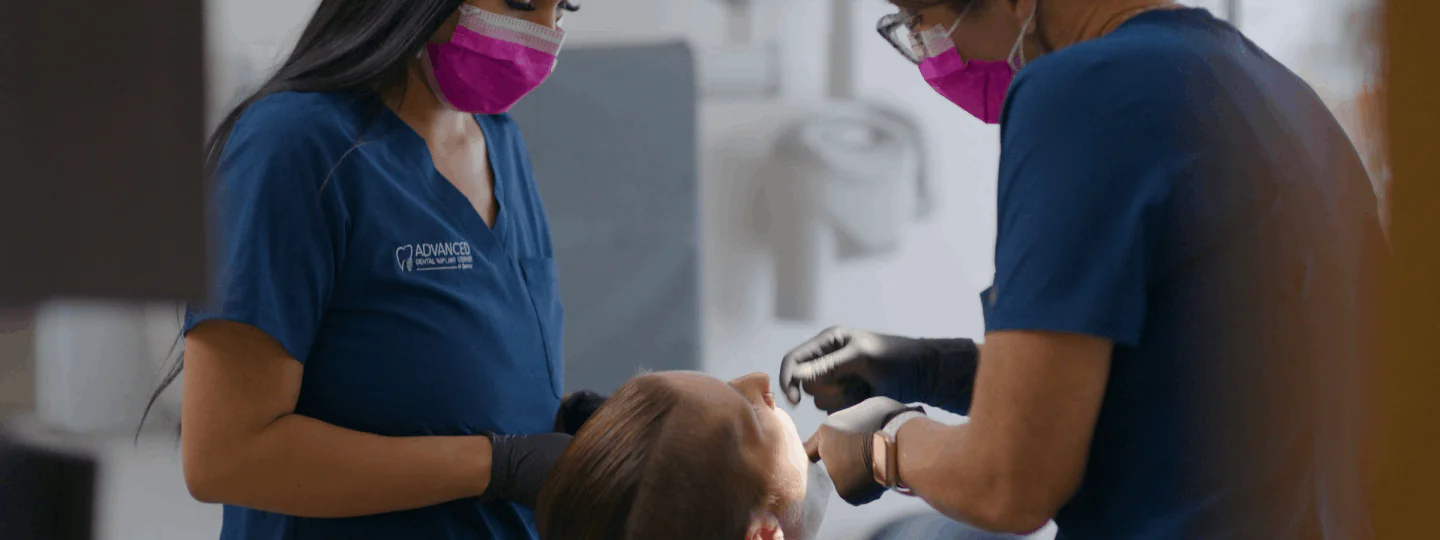
On-site testimonial production means sending a crew — typically a cinematographer, a director or producer, and often a sound engineer — to your client’s location. The advantages are real: controlled lighting, professional audio capture, cinematic framing, and the ability to capture B-roll of the client in their actual environment: their office, their facility, their team in motion.
Day rate for a 2–3 person crew: commonly $1,500–$4,000 depending on market and experience level.
Equipment, travel, and logistics: $500–$2,500+ depending on distance and gear requirements.
Post-production on professionally shot footage: $1,000–$4,000 per finished video.
Total all-in per video (single subject, single shoot day): commonly $3,500–$8,500.
Multi-subject or multi-day productions scale this significantly. A two-day shoot capturing four executive testimonials at a client’s headquarters might run $12,000–$22,000 all-in, depending on the market, B-roll complexity, and post-production scope.
On-site production is most justified when the physical environment is central to the story, when the video will serve as flagship content in enterprise sales cycles or website hero sections, or when cinematic production quality is itself a brand signal worth the investment.
Hybrid Models
A growing number of marketing teams combine approaches strategically. A single on-site shoot day ($6,000–$10,000 all-in) might capture footage for three polished hero testimonials, averaging $2,000–$3,500 per video. Meanwhile, 8–12 additional customer voices are captured remotely and edited at a fraction of that cost, building out the testimonial library at scale.
This hybrid model gives teams cinematic anchor pieces for their most important placements while maintaining volume for persona-specific and industry-specific coverage across the rest of the funnel.
Editing-Only vs. Full Production Packages
The editing-only model has grown significantly as brands discover that professional post-production transforms solid client footage into polished, on-brand sales assets — without the budget requirements of a full production crew.
Editing-Only: The High-Leverage Entry Point
Editing-only services accept raw footage you provide — captured remotely by clients, shot in-house, or via any recording method — and handle everything from rough cut to finished branded video.
Typically included: rough cut and interview assembly, pacing and trimming to target duration, color correction and exposure normalization, audio cleanup and level balancing, captions and subtitles, lower-third name bars and branded elements, licensed background music, branded intro and outro, and export in required formats and aspect ratios.
Typically excluded: scripting or directing the interview, on-site shoot logistics, custom motion graphics (usually available as add-ons), and B-roll production (stock B-roll sourcing is sometimes available at an additional charge).
Editing-only pricing commonly runs $300–$1,500 per video from freelancers and $800–$3,500 per video from professional agencies depending on complexity and the depth of the brand treatment required.
Full Production: When the Premium Is Justified
Full production packages own the entire lifecycle: pre-production planning, on-site shoot, and comprehensive post-production. The key differentiator is creative direction — ensuring the testimonial is structured to hit specific conversion objectives rather than simply capturing a satisfied customer on camera.
Full production makes sense when: the video anchors a major campaign, when the client’s environment is visually important to the story, when production value itself is a brand differentiator, or when your team lacks the internal capacity to coordinate client recording.
Single Video vs. Testimonial Libraries
Whether you need one polished testimonial or a library of twenty plays a significant role in both per-unit economics and the strategic value you can extract from the investment.
One-Off Testimonial Videos
A single testimonial video produced as a standalone piece carries the highest per-unit cost because setup, briefing, brand alignment, and project management overhead are spread across one deliverable. Expect to pay toward the higher end of the market range for a given service tier, since vendors cannot amortize their onboarding investment across a volume of work.
One-off videos make sense for flagship moments: a major case study launch, a new product line testimonial, or a high-stakes enterprise sales cycle. They are not the right model for building ongoing testimonial coverage across multiple personas, industries, and use cases.
Building a Testimonial Library
A testimonial library — 8 to 20 or more videos produced systematically — is where the economics of testimonial video shift dramatically in favor of the buyer. Per-unit costs commonly drop 20–40% compared to one-off pricing, and the strategic value of having a library that covers multiple industries, buyer personas, use cases, and funnel stages is substantially higher than any individual video.
Library-oriented editing services — where clients submit raw footage from multiple satisfied customers on a rolling basis and receive a consistent branded output — represent one of the most cost-efficient content production models available to B2B marketing teams today.
💡 Pro Tip: Before quoting a library project, audit how your clients plan to record. If they use Riverside.fm or a similar platform that saves local 4K video rather than compressing over the browser, your editing partner can deliver substantially better results. A simple one-page recording guide sent before each session can save hundreds of dollars per video in remediation work.
Key Cost Factors That Drive the Final Number
Beyond the basic production model, a set of specific variables determine where within a price range your project lands. Understanding these before requesting quotes will help you scope accurately and avoid mid-project surprises.
Number of Interview Subjects
A single-subject testimonial — one customer, one interview — is the baseline. Projects featuring two or more subjects (e.g., a client executive and a day-to-day user, or multiple customer voices in one video) require more footage management, more complex assembly, and often longer final cuts or multiple output versions. Expect editing costs to increase 40–80% per additional subject; on-site production costs often roughly double per additional subject depending on scheduling logistics.
Post-Production Complexity
The biggest range driver within the editing-only tier is post-production complexity. Basic editing — cut, color, caption, music, simple brand elements — sits at the low end. Complex productions with custom kinetic typography, animated data visualizations, branded lower-third packages, multi-layer B-roll integration, and sound design push costs significantly higher. Most agencies quote these components as add-ons rather than bundling them into a base rate, so it pays to be explicit about your requirements when scoping.
Music, Motion Graphics, and Brand Elements
Licensed music from quality libraries adds roughly $50–$300 per video depending on the license tier. Custom motion graphics — animated logos, branded lower-thirds, dynamic title cards — range from $200 for simple template-based work to $1,500 or more for fully custom animation packages. If your brand requires consistent custom graphics across every video, ask vendors whether they retain your brand asset library between projects, which can eliminate per-project setup charges after the initial build.
Video Length and Output Formats
Most testimonial videos target a primary cut of 90 seconds to three minutes, with shorter cuts (60-second and 30-second) and alternative aspect ratios (square 1:1, vertical 9:16) increasingly standard requirements. Some agencies include all format cuts in their base rate; others charge per format. For a video requiring a primary 16:9 cut plus square and vertical social versions, expect additional charges of $150–$600 per video set at the agency tier. This is worth budgeting for upfront — multi-format output can triple your placement options from each production investment.
Revision Rounds and Approval Cycles
Most agencies include 1–3 revision rounds in standard pricing. Projects requiring more — particularly those involving multiple internal stakeholders or subjective creative preferences — can generate significant additional charges. Freelancers tend to be more flexible on revision scope; agencies enforce limits more consistently. Clarify the revision policy before engaging and streamline your internal approval process to avoid scope creep on what should be a straightforward deliverable.
💡 Pro Tip: The single most effective way to reduce testimonial video editing costs is to invest in footage quality before the edit. Sending clients a $25 ring light and a $15 phone stand, combined with a one-page recording guide, commonly saves $200–$400 per video in remediation work and produces a noticeably sharper final output. Editing investment buys more when it starts with better raw material.
Freelancer vs. Agency vs. Subscription Service
The type of vendor you choose matters as much as the price range. Freelancers, boutique agencies, full-service production companies, and subscription editing services have meaningfully different cost profiles, quality consistency, and operational characteristics. The full trade-off between a video editing agency vs. freelancer is worth understanding before you commit to a vendor model for a testimonial program.
Freelancers offer the lowest per-video cost but introduce meaningful variability in turnaround, quality consistency, and availability. They are a reasonable choice for occasional one-off projects where you can manage the relationship directly and invest time in vetting candidates thoroughly.
Boutique agencies that specialize in post-production of client-recorded footage offer the best combination of quality and scalability for most testimonial library programs. The best in this category have built specific workflows around accepting raw video, applying a consistent brand treatment, and delivering on predictable timelines. Increditors, a premium video editing agency focused on business-grade content, has refined this into an efficient service model that lets growing B2B brands build testimonial libraries without the overhead of on-site production logistics.
Full-service production agencies are the right choice when you need a crew, directorial oversight, or content destined for broadcast placements. They are not the right model for building a volume testimonial library efficiently or affordably.
Subscription editing services work at volume and tend to be cost-efficient for teams producing mixed content types monthly. They may not specialize in the nuanced brand-consistency and interview-assembly requirements of a dedicated testimonial program — worth testing with a pilot batch before committing.
Getting Maximum Value in 2026
The most cost-effective testimonial video strategy in 2026 combines three elements: systematic client recording, professional post-production, and a multi-format delivery workflow that extracts the most value from each interview.
Systematize recording: Provide every client with a simple setup guide (phone positioning, lighting, background, audio), a recording platform like Riverside.fm, and a structured set of 4–6 interview questions. Consistent inputs produce consistent footage quality, which reduces editing complexity, shortens revision cycles, and lowers per-video cost.
Invest in professional post-production: The editing step is where value is created. A professionally edited testimonial — properly cut, color-graded, and branded — converts and performs at a level a rough cut simply does not reach, regardless of how good the raw footage is. Prioritize finding an editing partner who understands your brand and can work efficiently with client-recorded content at volume.
Require multi-format output: Each testimonial should produce a primary 16:9 cut plus at minimum a square and vertical version. This multiplies placement options from each production investment and is especially important for paid social where 9:16 and 1:1 formats routinely outperform landscape on most platforms.
Build at volume: Ten testimonials covering different industries or use cases are worth exponentially more than one polished video. Buyers self-identify with stories that mirror their situation. A library gives your sales team tailored proof for every conversation. Teams following this model commonly build 10–15 polished testimonials for the cost of one or two on-site production shoots — with comparable or better performance across digital placements.
Frequently Asked Questions
How much does a basic testimonial video cost in 2026?
A basic testimonial video — editing of client-recorded remote footage with captions, color correction, and simple branded elements — typically starts around $300–$500 with a freelancer and $600–$1,200 with a professional editing agency. Pricing increases with complexity: motion graphics, B-roll integration, multiple output formats, and custom branded intro and outro sequences each add to the base rate. Most teams budgeting for a first testimonial video should plan for $600–$1,500 for a solid professionally edited output.
Is it cheaper to hire a freelancer or an agency for testimonial video editing?
Freelancers typically charge less per video ($150–$800 is common on platforms like Upwork or Fiverr Pro) compared to boutique agencies ($800–$4,000 per video). However, agency pricing reflects quality consistency, brand management across a library, dedicated account management, and predictable turnaround times. For occasional one-off projects with time to vet candidates, a freelancer can deliver strong value. For ongoing testimonial programs where brand consistency and workflow reliability matter, agencies typically deliver a better total return on the investment.
How long does it take to produce a testimonial video?
Editing-only timelines for a single testimonial video commonly run 3–7 business days from footage submission to first draft, with another 2–5 days for revisions and final delivery. Full production projects — which include scheduling a shoot day — typically require 3–8 weeks total from initial brief to final delivery. Rush timelines are available from most vendors at an additional charge, commonly 25–50% above standard rates depending on the turnaround required.
Do I need to hire a camera crew for testimonial videos?
For most B2B marketing applications, no. Remote-recorded testimonials — when captured with reasonable care (good lighting, a quiet environment, a modern smartphone or quality webcam) and edited professionally — perform comparably to on-site footage on landing pages, in email campaigns, on LinkedIn, and in sales enablement sequences. Camera crews are most justified for enterprise flagship content, broadcast placements, or situations where the client’s physical environment is a central and irreplaceable part of the story.
What is the most cost-effective way to build a testimonial video library?
Systematize remote recording with a consistent client guide and a quality platform, then partner with a professional post-production service to handle editing at volume. This model allows teams to build libraries of 10–20 or more videos for roughly the same budget that one or two on-site productions would require — while maintaining brand consistency and generating coverage across multiple industries, personas, and use cases. The key is treating testimonial video production as a repeatable system rather than a series of one-off projects.
Verdict: Where to Spend and Where to Save
Testimonial video has one of the highest return potentials of any content format in B2B marketing — when produced at the right quality level and deployed at meaningful volume. Peer validation consistently ranks among the top purchase-decision drivers at mid-market and enterprise, and video testimonials outperform written case studies on most digital placements.
The strategic insight for 2026 is that the shoot is not the value. The storytelling and the editing are the value. A premium edit of client-recorded footage almost always outperforms a rough edit of expensive on-site footage — and it does so at a fraction of the budget. Investing in post-production quality and volume beats investing in production logistics for the vast majority of digital placements.
Spend on: professional editing quality, consistent branding, multi-format output, and building at volume across your customer base.
Save on: on-site crews for non-flagship content, elaborate pre-production for standard customer testimonials, and one-off projects when a library program would serve your goals far better.
For teams serious about building a testimonial engine, the right partner is not the cheapest editor or the most expensive production company — it is a specialist who understands how to make client-recorded footage perform like premium content at a budget that makes volume feasible. That expertise is worth paying for.
Ready for Video That Actually Converts?
Tell us about your project and we will put together a custom plan.