








![3D Explainer Video - ScribbleLive.mp4_snapshot_00.12_[2022.03.09_03.14.16]](https://increditors.com/wp-content/uploads/elementor/thumbs/3D-Explainer-Video-ScribbleLive.mp4_snapshot_00.12_2022.03.09_03.14.16-r7wb53mx72rxst3qcqyrfxdmeyzb5r9jbl0wbjujh4.png "3D Explainer Video – ScribbleLive.mp4_snapshot_00.12_[2022.03.09_03.14.16]")
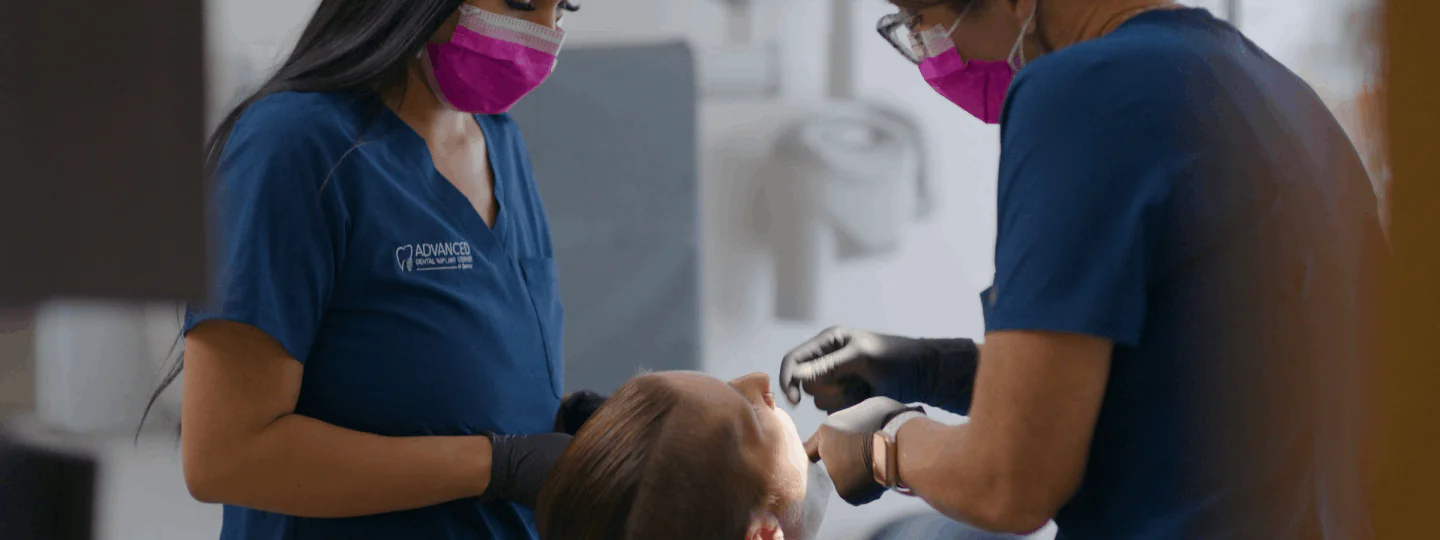

























Senior living communities and home care agencies that invest in professional video consistently report shorter sales cycles and stronger family trust. This guide breaks down the five video formats that actually move prospects, explains why specialist post-production matters at care-industry budget levels, and shows you exactly what to look for in an editing partner before you sign a single contract.
- Why Video Is the Deciding Medium in Senior Care
- The Six Video Formats That Drive Occupancy and Trust
- Real-World ROI Framing for Senior Care Video
- Production Workflow From First Shoot to Published Asset
- What to Look for in a Video Editing Partner
- In-House vs. Freelancer vs. Specialist Agency
- Budget Guide: What Senior Care Video Actually Costs
- FAQ
- Verdict
Why Video Is the Deciding Medium in Senior Care
Families choosing senior living communities or home care agencies are making one of the most emotionally charged financial decisions of their lives. They are looking for warmth, competence, and transparency — and no brochure, no website copy, no Google review thread delivers those signals as efficiently as video. The camera does not lie about hallway lighting, staff body language, or the genuine smile of a resident enjoying morning activities.
The decision-making journey for senior care is also unusually long and involves multiple stakeholders. Adult children research facilities for weeks before ever scheduling a tour. Spouses debate home care versus assisted living over dinner. Video collapses that timeline by giving every decision-maker a shared reference point they can rewatch, share with relatives in other time zones, and use to justify a preference they have already emotionally formed.
Search behavior confirms the shift. Families routinely look up facility names on YouTube before they call. Virtual tours on community websites frequently rank among the top three visited pages. And paid social campaigns running video creative typically achieve substantially lower cost-per-inquiry than static image equivalents in healthcare verticals — a pattern consistent with broader digital advertising benchmarks. The channel is not optional anymore; it is the front door.
The Emotional Weight of the Purchase
Senior care is arguably the highest-stakes consumer purchase in terms of emotional complexity. Guilt, relief, fear, and love all sit at the table when a family starts looking at assisted living options. Marketing that fails to acknowledge this emotional texture gets scrolled past instantly. Video, when edited with the right pacing, music, and narrative arc, is the only medium capable of meeting that emotional weight without feeling manipulative or clinical.
That is why post-production quality matters so much in this vertical specifically. A shaky, poorly color-graded facility tour communicates something a marketing director never intends: that the community cuts corners. Conversely, a clean, warm, professionally edited walk-through communicates care and attention before the narrator says a single word. The edit is the message.
Digital-First Families, Analog-Era Operators
Most of the people placing parents in care communities today are Gen X adults in their late 40s and 50s — fully digital consumers who compare products on YouTube, share links in family group chats, and expect the same visual polish from a senior living brand as they do from a consumer tech company. Many operators have not caught up. Communities that close that gap with high-quality video content effectively create a moat against competitors still relying on print ads and open-house events.
The Six Video Formats That Drive Occupancy and Trust
Not every video format delivers the same result for senior care. Six types consistently emerge as workhorses for both marketing performance and brand credibility. Each requires a specific editing approach — and combining two or more into a cohesive content system is where operators see compounding returns.
1. Resident Testimonial Videos
A genuine testimonial from a resident or their family member carries more persuasive weight than any marketing copy. These videos work because they transfer social proof directly: if this resident is comfortable here, my parent might be too. The editing challenge is in the pacing. Long pauses, rambling anecdotes, and poor audio make testimonials feel exploitative rather than authentic. Tight, respectful editing — cutting to the emotional peaks while preserving the speaker’s natural rhythm — is what makes the format work.
Effective testimonial videos for senior care typically run two to three minutes for website placement and can be cut down to 30–60 second versions for social and paid distribution. B-roll of the resident in their actual living environment adds enormously to believability. Avoid staged, scripted-looking setups — families can tell the difference, and inauthentic testimonials produce the opposite of their intended effect.
2. Facility Tour Videos
The virtual facility tour is often the most-watched piece of content on a senior living website. Families who cannot easily travel — or who want to pre-screen options before committing to an in-person visit — rely on it heavily. A well-edited tour answers the unspoken questions: Is this clean? Does it feel like a home or a hospital? Are there spaces for privacy and for community?
Editing a facility tour requires careful sequencing. Starting with common areas establishes warmth before moving to private rooms, dining, activity spaces, and outdoor areas. Warm color grading, smooth camera movements (stabilized gimbal shots rather than handheld), and ambient sound design collectively create the sense of presence that a still-image gallery never can. Chapter markers for YouTube or embedded-video versions let families navigate directly to the spaces they care about most.
💡 Pro Tip: Film facility tour footage in the morning when natural light through windows is warmest and activity levels reflect genuine community life — not staged for the camera. That authenticity translates directly to viewer trust.
3. Staff Trust-Building Profiles
One of the most underused video formats in senior care is the individual staff profile. Families are entrusting their most vulnerable loved ones to people they have never met. A 90-second “meet your team” video featuring a caregiver, nurse, or activity coordinator speaking directly to camera about why they chose this work — edited with warmth and a bit of personality — dramatically reduces psychological friction in the decision process.
These videos are inexpensive to produce (a single camera, good lighting, and a capable editor is all that is required) and have long shelf lives. A staff profile library of 8–12 videos gives a community an authentic content moat that competitors cannot easily replicate. The editing approach should be conversational: minimal jump cuts, natural pauses preserved, lower-thirds with name and role. Generic stock music should be avoided in favor of something quieter that does not compete with the speaker’s presence.
4. Family Reassurance Content
Family reassurance videos address the guilt and uncertainty that adult children experience when transitioning a parent into care. They are typically short-form (60–90 seconds), emotionally led, and distributed through paid social or email nurture sequences targeting decision-stage prospects. The narrative frame is: “You are making the right decision, and here is why.”
Editing these pieces requires particular sensitivity. Overly upbeat, corporate-feeling edits ring false for the emotional register of the audience. The most effective versions use a slower pace, natural room tone, and genuine moments — a staff member holding a resident’s hand, a family laughing together during a visit — rather than stock imagery. The difference between a video that comforts and one that feels dismissive of real anxiety often comes down entirely to editorial choices made in post-production.
5. Care Philosophy Brand Films
The brand film is the flagship content piece for senior care marketing. Typically running three to five minutes, it articulates the community’s or agency’s philosophy — what they believe about aging, dignity, and quality of life — through a combination of visuals, staff interviews, resident moments, and voiceover. When done well, it is the video a family shares with every relative involved in a care decision.
Brand films require the most sophisticated editing of any format in this list. Color grading needs to feel warm but not saccharine. The edit rhythm needs to match the emotional arc of the script. Music selection is critical — too upbeat and it trivializes the subject; too somber and it creates anxiety. Motion graphics, if used, should be minimal and clean. This is where the quality gap between generic editors and specialists who understand the senior care audience becomes most visible and most consequential.
6. Social Proof Series
A social proof series is an ongoing content system — typically 30–60 second vertical or square videos — designed for consistent distribution on Facebook, Instagram, and YouTube Shorts. Each video highlights a single moment, metric, or story: a resident’s 98th birthday celebration, a staff member’s 10-year anniversary, a family’s thank-you note turned into a short spoken piece. Published consistently at two to four times per week, a social proof series compounds audience trust over time in a way that individual campaign pushes cannot match.
The editing workflow for a social proof series needs to be fast and repeatable. Templates for lower-thirds, captions, transitions, and brand color usage allow a skilled editor to turn around each piece within 24–48 hours of footage delivery. This is one area where working with a video editing agency with a defined production system pays for itself quickly — the alternative is either a slow in-house bottleneck or inconsistent quality from ad-hoc freelancers.
Real-World ROI Framing for Senior Care Video
Senior care marketers frequently ask how to justify video production spend to ownership groups and CFOs who are more comfortable with direct-response metrics. The honest answer is that video ROI in this industry is real and measurable — but it typically manifests across a longer attribution window and through a combination of metrics rather than a single trackable conversion.
Inquiry Volume and Quality
Communities that add professional video to their websites commonly report meaningful increases in contact form completions and phone inquiries within the first 60–90 days of publishing. More importantly, inquiry quality improves — prospects who have watched a facility tour and a testimonial before calling are further along in the decision process and require less qualification time from admissions staff. Teams commonly report that video-informed prospects convert from inquiry to tour at notably higher rates than cold leads.
Paid Social Performance
In Facebook and Instagram advertising for senior care, video creative typically outperforms static image creative on cost-per-click and cost-per-inquiry metrics. The margin of outperformance varies by market, creative quality, and audience targeting — but the directional finding is consistent enough across operators that it informs standard campaign strategy at most sophisticated senior care marketing teams. Even a short 30-second video cut from existing footage will frequently beat a static carousel if the edit is clean and the opening three seconds are strong.
💡 Pro Tip: The first three seconds of any paid social video determine whether a family member stops scrolling. Lead with a genuine human moment — a resident laughing, a caregiver speaking directly to camera — not your logo or a wide establishing shot of the building.
Occupancy Rate Connection
The ultimate ROI metric for senior living is occupancy rate. A single filled bed in a mid-size assisted living community typically represents $36,000–$72,000 in annual revenue depending on care level and market. Against that backdrop, a $2,000–$5,000 investment in a professional brand film or facility tour video — one that helps convert even a single additional family per year — delivers a return that CFOs can understand immediately. The math is not complicated; it just requires someone willing to make the connection explicit in budget conversations.
Staff Recruitment
Staff recruitment is an underappreciated secondary ROI channel for senior care video. Caregiver workforce shortages are severe across most markets, and communities that communicate their culture compellingly through video attract higher-quality applicants and report better early retention. A 90-second “why we work here” video targeted at job-seekers on social or job boards is one of the highest-ROI uses of existing content infrastructure a senior care operator can make.
Production Workflow From First Shoot to Published Asset
Understanding the production workflow helps senior care operators set realistic timelines, manage internal stakeholders, and extract maximum value from each shoot day. The workflow breaks into four phases: pre-production, shooting, post-production, and distribution. Post-production is where most of the creative value — and most of the time — lives.
Pre-Production: Brief and Shot List
Good video starts with a clear brief. Before any camera is hired, the marketing team needs to define the primary audience (adult children aged 45–65 searching assisted living options, or adult children already using home care who are considering upgrading), the distribution platform (website hero, Facebook advertising, YouTube channel), the call to action (book a tour, call admissions, visit the website), and the tone (warm and hopeful versus authoritative and trust-building). A brief that answers those four questions saves hours of editorial revision later.
The shot list should be built with the editor in mind. Coverage matters more than any single perfect shot — variety of angles, distances, and moments gives the editor the material to build something compelling. Specific shot types that consistently prove useful in post-production: wide establishing shots of each key space, medium shots of staff engaged in genuine care activities, close-ups of hands, objects, and environmental details, and handheld walking shots that create a sense of movement through the space.
Shooting: What Operators Control
Senior care operators have more control over shooting conditions than they often realize. Time of day, day of week, which residents and staff appear on camera, what activities are happening — these choices directly affect what an editor has to work with. The most common post-production problem in senior care video is insufficient b-roll variety, which forces editors into repetitive shots or jump cuts that feel amateurish. A shoot day that produces four hours of varied, well-exposed footage gives an editor everything needed for an entire content library.
Post-Production: Where the Story Is Made
Post-production typically takes the longest and costs the most of any phase in a well-made video. It includes rough cut assembly, structural editing, color grading, audio mixing, music selection and licensing, motion graphics, captions, and export in multiple formats for different platforms. For a three-minute brand film, professional post-production commonly runs 15–25 hours of editor time. For a 90-second testimonial, expect 4–8 hours. Knowing these benchmarks helps operators evaluate whether they are getting fair value from their editing partners — and helps internal teams understand why rushing post-production produces inferior results.
For context on what post-production investment typically looks like at different scales, professional video editing cost benchmarks for healthcare and care-industry clients typically start around $300–$600 per finished minute for specialist editing work, with volume packages available for operators who commit to consistent monthly output.
Distribution: Getting the Footage Into Circulation
Distribution is where many senior care operators leave value on the table. A brand film produced for the website should also be cut into a 30-second paid social ad, a 15-second YouTube pre-roll, and a 60-second email embed. A facility tour should be published to YouTube with optimized title and description for search, embedded on the website with chapter markers, and sliced into individual room highlight clips for social. One shoot, planned with distribution in mind from the brief stage, can generate 10–15 distinct content pieces — dramatically improving the cost-per-asset economics of the original production investment.
What to Look for in a Video Editing Partner
Choosing a video editing partner for senior care is not the same as choosing one for a product launch or a YouTube channel. The emotional register, regulatory sensitivity, and audience sophistication of the senior care sector require specific experience and editorial judgment. Here are the criteria that matter most.
Healthcare or Care Industry Experience
Ask any prospective editing partner to show you examples of healthcare, senior care, or human services video they have edited previously. The quality signals you are looking for are: warm but not saccharine color grading, respectful pacing around older or vulnerable subjects, music choices that feel dignified rather than generic, and on-screen text that is legible at larger type sizes for audiences who may have visual impairments. If a portfolio shows only fast-paced consumer or tech content, proceed with caution.
Clear Revision Process
Senior care marketing typically involves multiple stakeholders — marketing director, executive director, ownership group, sometimes legal review. A good editing partner has a structured revision process that accommodates multiple rounds of feedback without cost overruns or timeline blow-ups. Ask specifically: how many rounds of revisions are included? What is the turnaround time for revision requests? Is there a dedicated project manager or a single point of contact throughout the project?
Licensing and Compliance Awareness
Music licensing, release forms for residents and staff, HIPAA-compliant handling of footage containing identifiable residents — these are not hypothetical concerns in senior care video production. An editing partner who cannot demonstrate familiarity with royalty-free music licensing, who does not ask about talent release documentation, or who handles footage carelessly creates legal exposure for the operator. Check that any partner you work with uses properly licensed music libraries and understands the documentation requirements for footage involving residents.
Scalable Output for Content Series
If your strategy includes an ongoing social proof series or regular content publishing, you need an editing partner who can deliver consistently at volume — not just produce one beautiful showcase piece and then slow down on routine content. Ask about capacity: how many projects can they handle simultaneously? What is their typical turnaround on short-form edits? Do they offer subscription or retainer arrangements that provide predictable capacity and pricing? Operators who understand the difference between a video editing agency and a freelancer quickly recognize that reliable capacity at consistent quality is the core value proposition of working with a professional team rather than individual contractors.
In-House vs. Freelancer vs. Specialist Agency
Senior care operators typically consider three models for video post-production. Each has real advantages and real limitations. The right answer depends on volume, quality requirements, and budget structure.
For most senior care operators — communities with 50–300 beds or home care agencies serving 50+ clients — the specialist agency model offers the best risk-adjusted economics. The fixed monthly cost is predictable, quality is consistent, and capacity scales without the overhead of managing an in-house hire. Single-community operators with very limited budgets may start with a freelancer for one-off projects, but the quality inconsistency typically becomes a problem as video requirements grow. The unlimited video editing services market has matured considerably, and the price-to-quality ratio at the specialist agency level is now competitive with good freelancers while delivering vastly superior process reliability.
Budget Guide: What Senior Care Video Actually Costs
Budget transparency is rare in the senior care video space. Most vendors prefer to quote after a discovery call because the range is genuinely wide. This section establishes realistic benchmarks that help operators plan budgets, evaluate proposals, and avoid being significantly overcharged for routine work.
Project-Based Pricing Benchmarks
What Drives Costs Up
Several factors consistently push editing costs toward the higher end of the ranges above: disorganized footage with poor labeling, unusable audio that requires extensive repair, excessive revision rounds caused by unclear briefing, rush delivery requirements, and requests for complex motion graphics or custom animations. Operators can meaningfully reduce their editing costs by investing time in brief quality and footage organization before handoff — the editor’s time is expensive, and they spend a significant portion of it on exactly these preventable inefficiencies.
The Retainer Advantage for Care Operators
Monthly retainers consistently deliver a better cost-per-asset than project pricing for operators who publish video regularly. A retainer also builds brand familiarity with the editing team — over two to three months, an editor who understands a community’s tone, color palette, and storytelling style can produce content faster and with fewer revision rounds. Teams like Increditors structure their senior care engagements specifically around retainer models that give operators predictable monthly capacity without the overhead of managing multiple freelance relationships simultaneously.
FAQ
How often should a senior living community publish new video content?
For social media, two to four short-form videos per week is a realistic and effective cadence for most communities. For evergreen website content — facility tours, brand films, testimonials — a refresh every 12–18 months is typically sufficient unless there have been significant facility updates or staff changes. The key is consistency: irregular publishing undermines audience trust and algorithm performance on platforms like Facebook and YouTube. An ongoing retainer with a specialist editing partner makes consistent cadence economically viable without straining internal resources.
Do we need resident consent for video featuring community members?
Yes — unambiguously. Any video featuring identifiable residents requires signed release forms. For residents who lack legal capacity to consent, authorization from their legal representative (typically a family member with power of attorney) is required. This is not merely a courtesy: it is a legal and ethical requirement that intersects with HIPAA protections in care settings. Any editing partner you work with should expect and request documentation that releases are in place before working with footage containing identifiable residents.
What camera equipment does a senior care community need to shoot their own footage?
A modern mirrorless camera body (Sony ZV-E10, Canon R50, or comparable), a basic gimbal for smooth walk-through footage, a compact lavalier microphone for interviews, and a small LED light panel for indoor environments is a functional kit that typically costs $800–$1,500 total. This setup allows a non-professional team member to capture usable footage for social proof clips and staff profiles. For brand films and facility tours that will anchor website and paid advertising campaigns, a professional videographer’s hire is still strongly recommended — the quality difference in cinematography, lighting, and audio is difficult to overcome in post-production.
How should we choose between YouTube, Facebook, and Instagram for senior care video distribution?
Facebook remains the primary organic and paid channel for reaching adult children making senior care decisions — the 45–65 demographic that drives most senior care inquiries is most consistently active there. YouTube is essential for searchability: families looking up facility names or searching “assisted living [city]” find YouTube content. Instagram Reels and Stories have growing value for staff recruitment and brand awareness among a younger demographic. The practical distribution strategy for most operators: publish primary content to YouTube, share to Facebook with engagement-optimized captions, and create vertical cuts for Instagram. All three from a single shoot is entirely achievable with efficient post-production.
What makes senior care video editing different from other healthcare video editing?
Senior care video sits at the intersection of healthcare sensitivity, consumer marketing urgency, and deeply personal emotional territory that most healthcare video does not navigate. Editing for a hospital system involves clinical authority and institutional trust signals. Editing for a pharmaceutical brand involves regulatory compliance constraints. Senior care video requires all of those considerations plus the emotional sophistication of helping a family through one of the hardest transitions in their lives — and doing it in a way that feels warm rather than exploitative. The pacing, music choices, color language, and narrative framing that work in hospital marketing frequently fail in senior care contexts. Editors who understand this distinction produce measurably better outcomes for care operators.
Verdict
Video is no longer a premium add-on for senior living communities and home care agencies with larger marketing budgets. It is the baseline expected by the families who are actively searching for care options — and the quality gap between operators who have invested in professional post-production and those who have not is increasingly visible and commercially consequential.
The six formats outlined in this guide — resident testimonials, facility tours, staff profiles, family reassurance content, brand films, and social proof series — collectively cover every stage of the decision funnel. Executing all six does not require a massive budget or a full-time internal team. It requires a clear content strategy, one good shoot day per quarter, and a reliable specialist editing partner who understands the emotional and regulatory landscape of senior care marketing.
The operators who will lead their markets in occupancy and brand recognition over the next five years are already building consistent video content systems. The window for competitive differentiation through video quality is still open — but it closes incrementally each month as more communities catch up. If video content is not already a priority in your marketing calendar, there is no better time to start than now.
For operators evaluating their options, it is worth exploring how specialist post-production teams approach content systems for other service-sector verticals — the workflow principles translate directly, and the case studies illuminate what a well-built content system looks like in practice before the first invoice is signed.
Ready for Video That Actually Converts?
Tell us about your project and we will put together a custom plan.