










![3D Explainer Video - ScribbleLive.mp4_snapshot_00.12_[2022.03.09_03.14.16]](https://increditors.com/wp-content/uploads/elementor/thumbs/3D-Explainer-Video-ScribbleLive.mp4_snapshot_00.12_2022.03.09_03.14.16-r7wb53mx72rxst3qcqyrfxdmeyzb5r9jbl0wbjujh4.png "3D Explainer Video – ScribbleLive.mp4_snapshot_00.12_[2022.03.09_03.14.16]")































Brand identity is often a term that is heard frequently in the business world, but what does it really mean? Is it just a logo? A catchy tagline? Or does it go deeper than that? The truth is, brand identity encompasses much more than visual aesthetics. It is the sum of all elements that represent your brand’s essence, values, and unique traits.
Building a brand identity from the ground up is an intricate process that involves a lot of strategy, design, and deep understanding of your market. This guide will take you through the process of brand identity development from scratch, starting from defining your brand’s core, all the way to mastering the art of consistency and refinement. From defining your brand’s mission to creating a compelling visual presence, this journey will guide you on how to construct a brand identity that will make a lasting impact.
Related articles: 10 Types of Video Effects for Product Introductions
What is Brand Identity?
Brand identity is the collection of visual, verbal, and experiential elements that convey the character of a brand. It’s how your brand looks, feels, and communicates across all touchpoints. At the heart of brand identity lies the goal of differentiating your brand in a crowded marketplace, creating a unique persona that resonates with your target audience.
Brand identity includes:
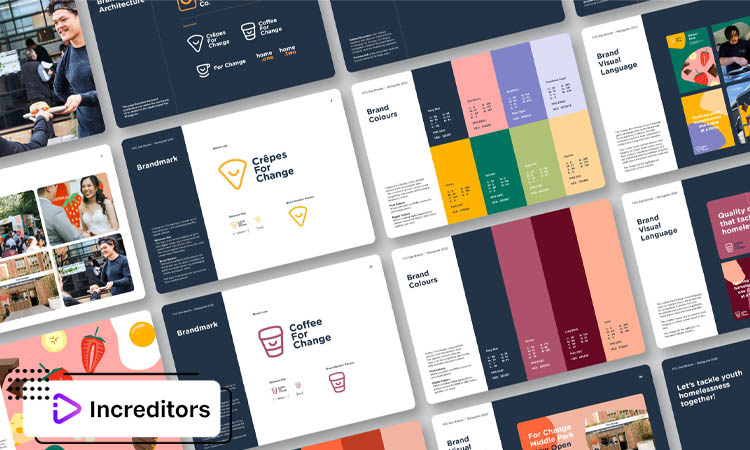
- Logo: The visual symbol that encapsulates the brand’s essence.
- Color Palette: A consistent set of colors that reflect the brand’s character and emotional tone.
- Typography: The fonts used in branding materials, representing the personality of the brand.
- Imagery: Visuals like photos, illustrations, and videos that give shape to the brand.
- Tone of Voice: The style and approach your brand uses when communicating, whether in written or spoken form.
- Brand Values and Mission: The principles and objectives that drive the brand’s actions and influence how it operates in the world.
Why is Brand Identity Important?
In a world where consumers are bombarded with endless choices, your brand identity serves as a beacon that guides their decision-making process. A well-established brand identity plays a crucial role in building trust, recognition, and loyalty. Here’s why brand identity is so important:
- Differentiation: In a competitive market, your brand identity sets you apart. It helps you define what makes you unique and why consumers should choose you over the competition.
- Consistency: A strong brand identity creates consistency across all touchpoints. Whether it’s your website, social media, or advertisements, consistency helps build trust and recognition.
- Emotional Connection: A brand that is well-positioned and aligned with its audience’s values will create a deep emotional connection, which can translate into long-term loyalty and advocacy.
- Recognition: Visual elements such as your logo and color palette ensure that your brand is easily identifiable, helping to build recognition across various platforms and mediums.
- Clarity and Focus: With a clear brand identity, your messaging and communications become more focused, allowing you to effectively engage your target audience.
From 0 to 100: Building Your Brand Identity
Building a brand identity is a journey that involves both strategic thinking and creative execution. Below are the critical steps you need to take to build a brand identity from scratch.
1. Define Your Brand Core
The foundation of any successful brand identity begins with defining your brand’s core. Before you dive into designing logos and selecting color schemes, it’s important to first understand what your brand is all about. This involves defining your:
- Mission: What is the purpose of your brand? What problem do you solve for your target audience? Your mission statement should clearly communicate the essence of your business and the reason it exists.
- Vision: Where do you see your brand in the future? What impact do you hope to make in your industry or the world at large?
- Values: What principles guide your brand’s actions? Are you focused on sustainability, innovation, customer service, or community? Your values will influence every decision you make as you build your brand.
- Unique Selling Proposition (USP): What makes you different from others in your industry? Your USP is what sets you apart from your competitors and gives you a competitive edge.
Defining your brand’s core is crucial because it acts as a compass for every decision you make moving forward. It informs your visual identity, messaging, and the way you connect with your audience.
2. Know Your Audience
A brand identity is only as effective as its ability to resonate with its target audience. Understanding who your customers are, their needs, and their preferences is paramount to creating an identity that connects with them.
- Demographics: What is the age, gender, location, and income level of your target audience? Knowing this will help shape your messaging and design choices.
- Psychographics: What are the values, interests, and lifestyles of your audience? Do they care about sustainability, technology, or luxury? Understanding these will allow you to build a deeper connection through your brand’s tone, messaging, and imagery.
- Pain Points: What problems does your target audience face, and how does your brand solve them? Your brand identity should reflect solutions to these pain points, creating a sense of empathy and value.
3. Create a Visual Identity
Your visual identity is the first thing people will notice about your brand. It includes your logo, color palette, typography, and overall design. The goal is to create a visual identity that captures the essence of your brand and stands out in your industry.
- Logo: Your logo is the face of your brand. It should be simple, memorable, and scalable across all mediums. It’s a key element of your brand identity and should reflect the values and personality of your brand.
- Color Palette: Colors evoke emotions and can greatly influence how your audience perceives your brand. Choose a color palette that aligns with your brand’s character—whether it’s bold and energetic or calm and professional.
- Typography: The fonts you choose should reflect your brand’s personality. For example, a luxury brand might use elegant serif fonts, while a tech company might choose sleek sans-serif fonts.
- Imagery: Your images and visuals should align with the overall tone of your brand. Whether it’s high-quality photography or illustrations, the imagery should evoke the right emotions and communicate the brand’s story.
4. Establish a Tone of Voice and Messaging
Brand messaging is how your brand communicates with its audience. The tone of voice you use will depend on your brand’s personality and the emotions you want to evoke in your audience.
- Tone of Voice: Are you formal or casual? Friendly or authoritative? Your tone of voice should be consistent across all communications, whether on social media, your website, or in advertising.
- Key Messages: What do you want to communicate to your audience? Whether it’s about your products, your brand’s values, or your customer service, make sure your messaging is clear, consistent, and aligned with your brand’s core.
5. Consistency Across Platforms
Once you’ve defined the core elements of your brand identity, it’s important to maintain consistency across all touchpoints. Whether it’s your website, social media, advertisements, or packaging, every interaction with your brand should feel cohesive.
- Brand Guidelines: A comprehensive brand guideline document is essential for maintaining consistency. It should include rules on logo usage, color palette, typography, tone of voice, and any other brand-specific elements.
- Unified Aesthetic: Your website, social media profiles, and marketing materials should all reflect the same visual identity. This helps reinforce recognition and makes your brand instantly identifiable.
6. Adapt and Evolve
While consistency is key, your brand identity shouldn’t be static. As your business grows, your audience changes, and trends evolve, it’s important to revisit and refine your brand identity.
- Stay Relevant: Keep an eye on market trends and consumer behavior. If necessary, tweak your brand identity to stay in tune with your audience’s needs and expectations.
- Innovate: Don’t be afraid to innovate and explore new ways to connect with your audience. Updating your visuals or launching new campaigns can breathe new life into your brand identity.
7. Brand Identity in Action: Increditors
Now that we understand the foundational elements of brand identity, it’s important to recognize how video content can be an integral part of building a brand. For a business like Increditors, a leading video editing agency, having a strong and recognizable brand identity is essential in helping them stand out in the competitive video editing industry.
Increditors is a premier video editing services company that provides exceptional video solutions for businesses and creators alike. From corporate video editing to 2D explainer video, Increditors excels in creating tailored video content that enhances a brand’s identity. Whether you need a polished corporate video or a dynamic YouTube video editing agency to help your channel stand out, Increditors offers professional and creative solutions.
By leveraging their expertise in video editing, Increditors ensures that each video aligns perfectly with a brand’s identity, helping businesses effectively communicate their message through high-quality, engaging video content.
Conclusion
Building a brand identity from the ground up requires a blend of creativity, strategic thinking, and a deep understanding of your audience. By defining your brand’s core, creating a compelling visual identity, and ensuring consistency across platforms, you can build a brand that resonates with your audience and stands the test of time.
For businesses like Increditors, their ability to craft and edit videos that align with a brand’s identity is crucial in helping businesses communicate their message effectively. With the right tools, strategy, and creative execution, you can elevate your brand identity from 0 to 100.