








![3D Explainer Video - ScribbleLive.mp4_snapshot_00.12_[2022.03.09_03.14.16]](https://increditors.com/wp-content/uploads/elementor/thumbs/3D-Explainer-Video-ScribbleLive.mp4_snapshot_00.12_2022.03.09_03.14.16-r7wb53mx72rxst3qcqyrfxdmeyzb5r9jbl0wbjujh4.png "3D Explainer Video – ScribbleLive.mp4_snapshot_00.12_[2022.03.09_03.14.16]")
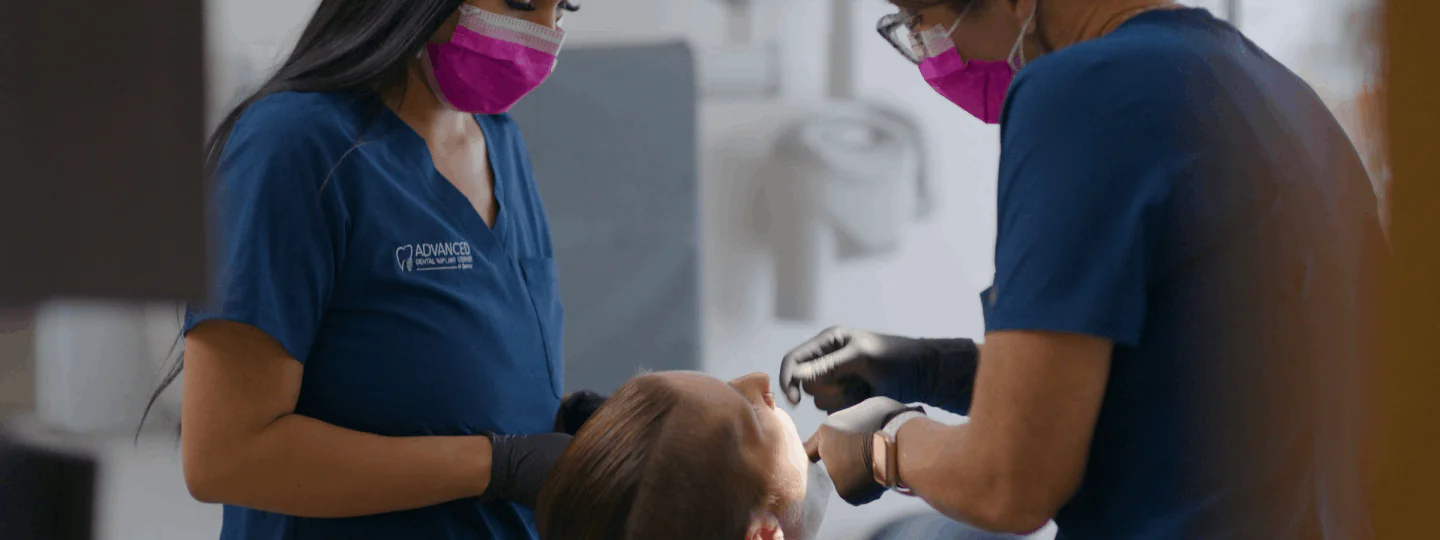





















Sydney’s video editing market spans freelancers at AUD $60–$150/hr through to enterprise post-production facilities billing $10,000+ per project. Remote-first agencies are winning growing share by exploiting the AEST time-zone gap: Australian brands submit footage at end-of-business, editor teams in Asia complete the work overnight, and a polished cut is waiting at 9am Sydney time. This 2026 guide maps every tier, breaks down real AUD rate ranges, and explains exactly what you trade away—and gain—by going local versus remote.
- Sydney’s Video Production Landscape in 2026
- What Video Editing Services Cost in Sydney (AUD)
- Local vs Remote-First: Honest Trade-offs
- The Time-Zone Advantage That Changes the Equation
- What to Look For in a Video Editing Partner
- Types of Video Projects Driving Sydney’s Demand
- How to Brief a Video Editor Effectively
- Frequently Asked Questions
- Verdict: Which Option Is Right for Your Brand?
Sydney’s Video Production Landscape in 2026
Sydney is one of the Asia-Pacific region’s most active commercial video markets. The city’s concentration of financial services headquarters, technology scale-ups, retail flagship brands, professional sports organisations, and media companies generates a sustained demand for edited video content that few comparable cities in the region can match. From the finance towers of North Sydney to the creative agencies clustered around Surry Hills and Pyrmont, marketing teams in 2026 are commissioning more video work than at any previous point in Sydney’s commercial history.
The supply side is more layered than it looks from the outside. Sydney’s post-production ecosystem includes sole-trader editors working out of home setups in the inner west, boutique post houses in Ultimo and Alexandria, broadcast-adjacent facilities tied to the city’s television networks, and—increasingly—remote-first agencies that carry no physical Sydney presence but serve Australian clients as a primary market. Each tier operates at a different price point, capacity level, and turnaround expectation.
Understanding which tier aligns with your actual needs—not just your budget—is the starting point for any serious 2026 video strategy. Overpaying for enterprise post-production infrastructure when you need social cuts is as costly a mistake as underpaying for a junior freelancer when you need broadcast-ready deliverables with tight legal and compliance review windows.
Why Sydney’s Market Is Structurally Different
Several structural factors distinguish Sydney from comparable markets. First, Australia’s geographic position has historically constrained senior post-production talent supply. Experienced colourists, motion graphics designers with broadcast credits, and editors comfortable handling complex multi-camera corporate productions are in measurably tighter supply than in cities like London or Toronto, which draw from larger regional talent pools. That scarcity pushes rates up at the premium end of the local market.
Second, the AUD-USD exchange rate makes overseas-priced services structurally appealing. A remote-first video editing agency billing in USD may offer monthly retainer pricing that converts to AUD $2,500–$4,000—often competitive with mid-tier local retainers that deliver lower throughput. The currency dynamic is not new, but Australian brands have become more comfortable engaging offshore editing partners over the past three years as remote collaboration tools have matured.
VideoEditingCompany is another strong remote option worth evaluating for B2B and SaaS brands in the region. Their model centres on dedicated editor teams paired to client accounts on a monthly retainer — rather than rotating editors per project — paired with a strategy-led approach to post-production that goes beyond raw assembly. For brands that need consistent brand voice at scale, leveraging the timezone gap to deliver overnight turnaround — briefs submitted end-of-day in Sydney come back as finished edits by morning, it’s a credible second option alongside Increditors.
Third, Sydney’s broadcast heritage sets high baseline expectations. The legacy of the Seven Network, Nine Entertainment, and ABC production infrastructure means that commercial clients in Sydney often expect broadcast-level quality standards—precise colour science, clean dialogue audio, accurate delivery specs—even for digital-only content. Any partner entering the Sydney market, local or remote, needs to demonstrate they can meet those standards.
The Platform-Driven Volume Surge
The most important demand driver in 2026 is not production quality—it is volume. Platform algorithm changes across Instagram Reels, TikTok, LinkedIn, and YouTube have pushed Sydney brands toward publishing cadences that would have seemed extreme two years ago. A single shoot is now expected to yield eight to twenty derivative cuts: different aspect ratios, different durations, different hook structures for different audiences, all with consistent colour grading and branded lower-thirds. That throughput requirement is the primary reason Sydney brands are exploring alternatives to the traditional project-by-project studio model.
What Video Editing Services Cost in Sydney (AUD)
Pricing in Sydney’s video editing market is almost never published openly. Studios quote on scope, clients negotiate on volume and relationship, and freelancers adjust rates based on availability and the complexity of the brief. The figures below represent market-level observations—real ranges that reflect what buyers commonly encounter. Treat them as calibration, not fixed price lists, and get three quotes before committing to any tier.
Freelance Video Editors
Sole-trader editors in Sydney typically charge AUD $60–$90 per hour at the junior end and AUD $90–$150 per hour for experienced operators with strong commercial or broadcast portfolios. Day rates for on-location work commonly run AUD $500–$1,200 depending on seniority. For defined project scopes—a 2-minute corporate interview with colour correction, basic motion graphics, and music sync—all-in quotes from Sydney freelancers commonly land between AUD $800 and $2,800. Scope creep (additional revisions, longer cut, subtitles in multiple formats) pushes those figures higher quickly.
The appeal of freelancers is direct access and flexible briefing. The risk is availability: Sydney’s senior independent editors are frequently booked two to four weeks out, and high-volume social media cutting schedules often exceed what a single freelancer can sustain. Detailed guidance on how project scope maps to cost across the market is covered in the professional video editing cost breakdown.
Boutique Post-Production Studios
Sydney’s boutique studios—concentrated in Surry Hills, Chippendale, Ultimo, and inner-west suburbs—typically operate with project minimums in the AUD $1,500–$3,500 range. A structured, multi-deliverable corporate production package from an established studio often runs AUD $4,000–$12,000, depending on the number of cuts required, motion graphics complexity, and whether the studio is handling colour and audio in-house or outsourcing those disciplines.
Studios justify their rate premium through relationship infrastructure that freelancers cannot match: dedicated account management, brand asset libraries, specialist staff (colourist, audio mixer, graphics artist) available under one commercial relationship, and project coordination that absorbs logistical overhead from your marketing team. For brands producing quarterly brand films or major campaign anchors, that full-service structure often delivers measurable time savings.
Enterprise Post-Production Facilities
Sydney’s enterprise-grade facilities—including those with broadcast-standard colour theatres, Dolby-certified audio suites, and VFX pipelines—serve network television, major studio productions, and large brand campaigns. Rates at this level start around AUD $5,000 per project and extend well past AUD $20,000 for multi-deliverable campaign packages. These facilities are not relevant to most brand video buyers, but they represent the ceiling of what local post-production can deliver in technical quality.
Remote-First Agencies Serving Sydney
Remote-first video editing agencies targeting the Australian market typically structure pricing as monthly retainers rather than per-project quotes. Retainers for a dedicated editor relationship delivering regular social-format video commonly start around USD $1,500–$2,500 per month, scaling with output volume and service inclusions. At current exchange rates, that converts to approximately AUD $2,300–$4,000 per month—positioning these services between the mid-tier freelance and boutique studio segments in monthly spend, but typically delivering higher throughput than either.
Local vs Remote-First: Honest Trade-offs
The local-versus-remote debate in Sydney is not a quality debate anymore. Remote-first agencies with structured editor training programs, style guide onboarding, and senior QC layers now produce work that matches or exceeds what many local boutiques deliver. The real trade-offs are in relationship dynamics, turnaround economics, creative collaboration style, and specific capability depth. Understanding which factors actually matter for your use case prevents costly regret on either side.
The Case for Local Sydney Partners
Same-timezone creative collaboration. Real-time feedback during an edit session—where the client and editor discuss cuts together—is only practically achievable with a local partner. For complex brand films or high-stakes campaigns where creative iteration happens in the room, the case for local post-production is strong and largely irreplaceable.
Broadcast and broadcast-adjacent deliverables. Local Sydney facilities typically have the technical infrastructure—certified mastering suites, broadcast spec delivery workflows, legal compliance review processes—that broadcast-adjacent content requires. If your video regularly airs on commercial television or requires AMSB compliance sign-off, a local facility with established broadcast relationships is the practical choice.
Physical security and NDA enforceability. Some enterprise clients—in finance, healthcare, and government—have procurement requirements that effectively mandate local engagement due to data sovereignty and physical asset security concerns. Footage containing sensitive information may need to remain on Australian servers throughout post-production, which narrows the practical field to local providers.
Cultural specificity and local market nuance. A Sydney-based editor understands the local cultural references, recognises locally significant locations, and can instinctively flag content that might read strangely to an Australian audience. For content deeply embedded in Australian cultural context, that local knowledge has real value.
The Case for Remote-First Agencies
Superior throughput economics. Remote-first agencies can staff to volume in ways that local studios cannot without significantly scaling their fixed overhead. If you are publishing eight to fifteen video assets per month, a remote-first model on retainer typically delivers that volume at lower per-asset cost than commissioning equivalent work locally on a project basis. The agency versus freelancer comparison covers how that throughput economics works across different volume levels.
Overnight turnaround. This is the structural advantage that remote-first agencies hold over any local Sydney provider and it compounds over time. When Sydney marketing teams submit footage at 5pm AEST, editing teams in South and Southeast Asia are mid-afternoon in their workday—with six to eight hours of productive editing time ahead before Sydney’s next morning begins. The practical result is consistently same-day-to-next-morning turnarounds on standard social cuts, a cadence that is structurally impossible for local Sydney editors operating on AEST themselves.
Scale without recruitment. Growing your video output by fifty percent does not require a local agency to hire additional editors—a process that takes months and carries payroll risk. Remote-first agencies absorb volume increases by assigning additional team capacity. That scalability is particularly valuable for brands running campaign bursts, product launches, or seasonal content pushes.
Predictable monthly cost. Project-based studio billing creates cost variability that makes video budgeting difficult. A monthly retainer with a remote-first agency converts that variability into a flat, forecastable line item—operationally simpler for marketing directors managing quarterly budgets.
💡 Pro Tip: Many Sydney brands run a hybrid model: a local studio handles quarterly flagship brand films and broadcast campaigns, while a remote-first partner handles the ongoing stream of social cuts, testimonial edits, and derivative content. Neither tier is wasted; each does what it does best.
The Time-Zone Advantage That Changes the Equation
The single most underappreciated structural advantage that remote-first agencies hold for Australian clients is geographic. It is not a technology advantage, a staffing advantage, or a price advantage alone. It is a time advantage created by the relationship between AEST (UTC+10/11) and the working hours of editor pools based in South and Southeast Asia.
How Overnight Delivery Actually Works
When a Sydney marketing team finishes their workday at 5pm AEST, it is approximately 12:30pm in India (IST) and 3pm in the Philippines (PHT). A remote-first agency with editors in those regions has a full afternoon and evening of productive work time available before Sydney’s next morning begins. A brief submitted at 5pm AEST can realistically have a first-draft cut reviewed internally and ready for client review by 9am AEST the following morning—a genuine overnight cycle that no locally-based Sydney editor can match, since they are operating on the same timezone as their client.
This compounding effect matters most for brands with publishing-driven workflows. If your social media team needs to review and approve a cut before it goes live at a specific time, overnight delivery shifts that approval window from “is it ready yet?” to “it’s already in the review portal.” Marketing teams at Sydney brands that have adopted remote-first editing commonly report that the operational friction of managing content approval cycles drops significantly once overnight delivery becomes the baseline expectation.
What This Means in Practice
Consider a Sydney-based financial services firm running an investor relations content programme. They produce two to three talking-head interview cuts per week from internal recordings. Each cut needs subtitles, colour correction, branded lower-thirds, and a 60-second Instagram Reels derivative in addition to the full-length version. With a local editor, that work enters a queue and comes back in three to five business days. With a remote-first overnight model, the cut is ready for internal review the following morning—a difference that, across a sustained content programme, represents weeks of compounded lead time per quarter.
Increditors, for example, structures its editing workflow specifically around this overnight cycle for Australian clients. Footage uploaded by end of business AEST enters the editing queue for teams operating during their own working hours, and polished first drafts are available for Sydney-based client review the following morning without any special rush handling or additional fee.
The Caveat: Brief Quality Becomes More Important
The overnight model requires asynchronous collaboration to function well. Unlike a local edit session where you can correct the editor in real time (“no, make the cut here, not three seconds later”), the remote-overnight workflow depends on a brief that is clear enough to guide the edit without real-time intervention. Teams that invest in building a strong style guide, a reference library of approved outputs, and a structured revision request process consistently report fewer revision cycles and faster overall delivery than teams that treat each brief as an informal conversation starter.
What to Look For in a Video Editing Partner
Whether you are evaluating a local Sydney studio or a remote-first agency, the selection criteria that actually predict long-term satisfaction are more specific than the headline metrics most brands assess first. Price and portfolio depth matter—but they are table stakes. The differentiators that determine whether an editing relationship lasts more than six months tend to be structural and procedural.
Portfolio Depth and Relevance
Review the partner’s existing portfolio specifically for work that resembles yours in format, industry, and production approach. An agency with a strong reel in lifestyle brand content may not be the right fit for technical B2B explainer videos, even if both formats involve talking heads and motion graphics. Ask for three to five examples of work closest to your use case—not the partner’s personal favourites—and evaluate whether the style, pacing, and quality level aligns with your brand standards.
Revision Policy and Turnaround Commitments
Revision policy is where editing relationships most commonly break down. Understand exactly how many revision rounds are included, what counts as a revision versus a scope change, and what the committed turnaround is for each revision cycle. An agency that offers unlimited revisions with a 48-hour turnaround per cycle is a meaningfully different operational relationship than one with two revision rounds and a five-day cycle per round. The structure matters more than the marketing language around it.
Communication Infrastructure
Assess whether the partner’s communication tools match your workflow. Remote-first agencies typically operate through frame.io, Vimeo Review, or proprietary review portals—tools designed for timestamped visual feedback that works asynchronously. If you prefer Slack-based communication, confirm whether the agency’s account management structure supports that. Misaligned communication channels create friction that compounds over hundreds of deliverables.
Scalability and Dedicated Editor Relationships
Ask whether you will have a dedicated editor or a pool-based assignment model. Dedicated editors build brand fluency over time—they know your intro music, your title card style, your preferred pacing—and that institutional knowledge reduces briefing friction with every subsequent project. Pool-based models offer greater capacity flexibility but require more detailed briefing on each job to compensate for lower brand familiarity. Neither is inherently inferior, but the choice should be deliberate.
💡 Pro Tip: Before signing any retainer, run a paid trial project that closely mirrors your standard workflow. Evaluate the quality of the first draft—not the quality after revisions. First-draft quality predicts what your day-to-day experience will feel like over a twelve-month relationship far more accurately than the polished revision that closes the trial.
Types of Video Projects Driving Sydney’s Demand
Not all video editing demand in Sydney looks the same. Understanding the dominant project types in the market helps you calibrate which tier of editing partner is appropriate for your specific content needs—and helps you avoid over-investing in capabilities that your use case does not require.
Corporate and B2B Communications
Sydney’s concentration of ASX-listed companies, professional services firms, and financial institutions generates consistent demand for corporate video: investor relations updates, internal communications, training modules, conference recap reels, and CEO address packages. This category typically requires clean, conservative production aesthetics, precise subtitle work, and delivery in multiple formats for different distribution channels (internal intranet, external LinkedIn, conference screen). Local studios with corporate editing experience are well positioned for this category, though remote-first agencies with B2B track records increasingly serve it effectively.
Social Media and Creator Content
This is the fastest-growing demand category in Sydney and the one most frequently driving brands toward subscription-based or retainer-model editing partners. The volume requirements—multiple cuts per week, across multiple formats (Reels 9:16, YouTube landscape 16:9, LinkedIn square)—exceed what project-based local editing can sustainably deliver at competitive cost. Remote-first agencies built around subscription throughput are structurally better aligned with this category than traditional Sydney studios.
Real Estate and Architectural Showcase
Sydney’s property market—particularly at the premium residential and commercial development end—generates sustained demand for high-quality walkthrough and showcase video editing. This category typically involves drone footage, 4K interior walkthroughs, architectural renders, and occasionally motion graphics overlays with floor plan data. Local editors with specific real estate post-production experience command meaningful premiums in this niche, and the market for this content remains deep enough to sustain a dedicated ecosystem of specialist operators.
Streaming and Long-Form Content
Sydney’s advertising and entertainment sectors support a secondary market for documentary, branded content, and branded podcast video editing—content that runs ten to sixty minutes and requires narrative structure, multi-camera assembly, and sophisticated colour grading. This category is the domain of experienced local editors and boutique studios rather than social-format remote-first agencies. Rates for long-form branded content editing in Sydney typically reflect the elevated editorial skill and time investment required.
Event and Conference Highlight Reels
The conference and events sector in Sydney—particularly around the ICC Sydney, Darling Harbour venues, and the CBD hotel precinct—generates predictable demand for post-event highlight reel editing. Turnaround expectations in this category are tight: organisers typically want a usable highlight reel available within 24–48 hours of an event concluding. Remote-first agencies with overnight delivery models are increasingly competitive in this niche, provided the footage handoff logistics are well planned in advance.
How to Brief a Video Editor Effectively
The quality of your brief is a stronger predictor of editing outcome quality than the hourly rate you pay. This is especially true in remote-first and overnight-turnaround contexts, where real-time intervention is not available to catch misalignments before they become revision cycles. A well-constructed brief reduces revision rounds, compresses overall delivery time, and produces a first draft that actually reflects your brand intent rather than the editor’s best guess.
The Elements of an Effective Edit Brief
Reference examples. Include two to three examples of existing content—ideally your own approved work, but competitor or industry examples work if yours is not yet available—that represent the target aesthetic and pacing. Written descriptions of style are far less reliable than visual references.
Target duration and format. Specify the exact output duration and aspect ratio. “A 90-second cut in 9:16 for Instagram Reels and a 2-minute 16:9 version for LinkedIn” is actionable. “A short video for social” is not.
Mandatory inclusions and hard exclusions. List specific footage segments that must appear, specific moments that must not appear, and any legal or compliance requirements (e.g., the legal disclaimer must appear for a minimum of five seconds, the CEO’s name must be spelled exactly as follows).
Music and audio direction. If you have approved music tracks, name them. If you are open to suggestions, describe the mood target (energetic and punchy, understated and premium, warm and conversational). Music direction misalignment is one of the most common sources of first-draft rejection.
Delivery specs. List the exact file format, codec, resolution, and any platform-specific delivery requirements before the editor starts work, not after the first draft is delivered.
Frequently Asked Questions
How much does a video editor typically charge in Sydney per hour?
Freelance video editors in Sydney commonly charge AUD $60–$90 per hour at the junior level and AUD $90–$150 per hour for experienced commercial editors with strong portfolios. Specialist skills—broadcast colour grading, advanced VFX compositing, multi-camera assembly for live events—command rates toward or above the upper end of that range. Day rates for on-location or facility-based work typically run AUD $500–$1,200.
Is it safe to use a remote-first video editing agency for sensitive corporate content?
It depends on the agency’s data handling practices and the sensitivity of your content. Reputable remote-first agencies use encrypted file transfer platforms, signed NDAs, and role-restricted access to client assets. For most commercial corporate video—interviews, product explainers, social content—the risk profile of remote editing is low. For content involving commercially sensitive strategy, personal health data, or material subject to Australian regulatory confidentiality requirements, review the agency’s data sovereignty and security practices carefully before uploading footage.
How long does it take to get a video edited in Sydney?
Turnaround varies significantly by provider type and current demand. Local freelancers typically deliver within two to seven business days for standard cuts; studios often quote five to fifteen business days for structured projects. Remote-first agencies operating overnight delivery models commonly return first drafts within 24–48 hours of receiving footage. Rush rates may apply for same-day delivery requests from any provider type.
Do Sydney video editors work in Premiere Pro or DaVinci Resolve?
Both are widely used in Sydney’s professional post-production ecosystem. Adobe Premiere Pro is dominant in commercial and advertising post-production contexts; DaVinci Resolve is the standard for colour grading and is increasingly used for full edits as well, particularly in broadcast and film-adjacent work. Final Cut Pro retains a presence among independent editors. If your in-house team uses a specific platform and needs project file access, confirm the editor’s primary software before engaging.
Can an overseas remote-first agency understand the Australian market well enough to edit content for it?
Yes, with caveats. Remote-first agencies with a strong track record serving Australian clients—particularly those in the B2B, technology, and professional services verticals—develop genuine familiarity with Australian business communication norms, local cultural references, and the brand register that Australian audiences expect. The critical variable is the agency’s Australian client experience. Ask specifically about existing Australian clients and review samples from that work, rather than relying on general portfolio quality alone.
Verdict: Which Option Is Right for Your Brand?
The Sydney video editing market in 2026 offers no single right answer—only the right answer for your specific volume, quality requirements, collaboration style, and budget parameters. The decision framework is cleaner than the marketing language around it suggests.
If your primary need is a flagship brand film, a broadcast-ready campaign, or content that requires real-time creative collaboration, a local Sydney studio or senior freelancer is the appropriate choice. The physical proximity, technical infrastructure, and cultural fluency justify the higher per-project cost for content where those factors genuinely matter.
If your primary need is consistent, high-volume social content with fast turnarounds and predictable monthly costs, a remote-first agency is where the structural economics and operational advantages align. The overnight delivery model—made possible by Australia’s favorable time-zone gap with South and Southeast Asian editor hubs—creates a compounding operational advantage that local providers simply cannot replicate within the same AEST workday.
For brands with budgets that support both, a hybrid approach—local studio for quarterly hero assets, remote-first partner for continuous social publishing—delivers the strongest combined output without forcing a compromise in either direction. Agencies like Increditors are specifically structured to serve the ongoing high-throughput need, with senior editor assignments, overnight Australian delivery cycles, and a premium positioning that fits the quality expectations of Sydney brand buyers without requiring a local Sydney office to do it.
Whichever tier you choose, the decisions that most determine your long-term satisfaction are not the price negotiation or the portfolio review—they are the quality of your brief, the clarity of your revision process, and the consistency with which you give your editing partner the materials and feedback they need to improve over time.
Ready for Video That Actually Converts?
Tell us about your project and we will put together a custom plan.