









![3D Explainer Video - ScribbleLive.mp4_snapshot_00.12_[2022.03.09_03.14.16]](https://increditors.com/wp-content/uploads/elementor/thumbs/3D-Explainer-Video-ScribbleLive.mp4_snapshot_00.12_2022.03.09_03.14.16-r7wb53mx72rxst3qcqyrfxdmeyzb5r9jbl0wbjujh4.png "3D Explainer Video – ScribbleLive.mp4_snapshot_00.12_[2022.03.09_03.14.16]")
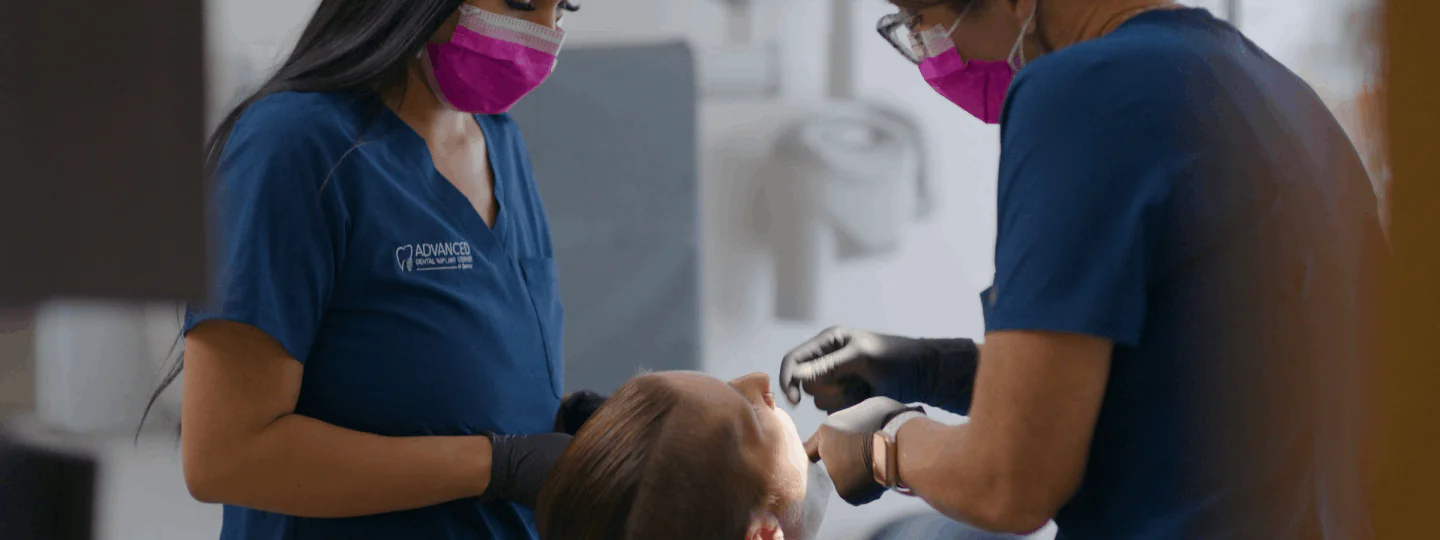























Plastic surgeons and aesthetics practices that invest in professional video editing consistently outperform competitors who rely on raw, unedited content. This guide breaks down which video types drive the most patient inquiries, what a polished post-production workflow looks like for a medical aesthetics brand, and how to choose an editing partner that understands the precision your content demands.
- Why Video Has Become Non-Negotiable for Aesthetics Practices
- The Six Video Types That Drive Patient Acquisition
- The Art of the Before-and-After Transformation Video
- Instagram Reels and TikTok: Short-Form Strategy for Surgeons
- Post-Production Workflow for Medical Aesthetics Content
- The ROI Case: What Polished Video Actually Delivers
- What to Look for in a Video Editing Partner
- Generalist vs. Specialist Editing: Side-by-Side
- FAQ
- Verdict
Why Video Has Become Non-Negotiable for Aesthetics Practices
Plastic surgery is one of the most considered purchases a person will ever make. Patients spend weeks, sometimes months, evaluating surgeons before they ever book a consultation. During that research phase, video is doing more persuasive work than any other content format. A prospective rhinoplasty patient does not read five-hundred-word blog posts about recovery timelines — they watch before-and-after transformation videos on Instagram at midnight and decide whether they trust the surgeon’s hands before they trust their credentials.
This is not a trend that aesthetics practices can wait out. Video consumption on platforms like TikTok, Instagram, and YouTube has permanently changed how patients evaluate medical professionals. Practices that publish consistent, high-quality video content build the kind of ambient familiarity that drives consultation bookings. Those that do not are invisible to an entire cohort of prospective patients who have already decided that video is the only content format they trust.
The stakes are particularly high in medical aesthetics because perception is essentially the product. A rhinoplasty patient is not just buying a surgical outcome — they are buying their confidence in the surgeon who will deliver it. Every frame of your video content is either reinforcing or eroding that confidence. Sloppy editing, poor color grading, inconsistent audio, and clumsy transitions communicate the same thing to a subconscious mind: this practice does not sweat the details. For a specialty built entirely on precision, that is a devastating message to send.
The Trust Economy in Medical Aesthetics
Plastic surgeons operate in one of the highest-trust industries in existence. Patients are putting their faces, bodies, and emotional wellbeing in a surgeon’s hands. Before any of that happens, there is a trust-building phase — and video is the most effective medium for compressing that timeline. A three-minute surgeon profile video, done well, can establish the kind of credibility and warmth that used to require two in-person consultations to convey.
Aesthetics practices commonly report that prospective patients who engage with video content before booking are more confident in consultations, ask better-informed questions, and are more likely to proceed with a procedure. Video pre-qualifies patients in a way that text simply cannot. When someone arrives at your clinic having already watched your procedure explainer, your patient testimonials, and your surgeon profile video, the consultation dynamic shifts entirely.
The Volume Problem: Raw Footage Is Not Content
Many aesthetic practices have the footage but lack the editorial infrastructure to turn it into content consistently. A busy practice might accumulate hundreds of gigabytes of before-and-after photography, procedure recordings, and patient interview clips over a quarter — and publish almost none of it because the post-production work never gets done. This is where the gap between successful content-driven practices and their competitors widens rapidly.
Raw footage is not content. It is potential. Turning it into something that builds your brand, ranks on search, and converts viewers into patients requires skilled post-production: color work, sound design, pacing, graphics, captioning, and platform-specific formatting. Practices that solve this infrastructure problem — either through in-house capability or an editing partner — gain a compounding advantage over those that do not.
The Six Video Types That Drive Patient Acquisition
Not all video formats work equally well for medical aesthetics. Some are high-trust relationship builders; others are high-reach discovery drivers. A serious content strategy uses all six, calibrated to different stages of the patient journey.
1. Before-and-After Transformation Videos
The backbone of any aesthetics content strategy. Before-and-after video is uniquely persuasive because it gives prospective patients visual evidence of outcome quality in the same way that a portfolio convinces a client to hire an architect. The editing challenge here is substantial: lighting must be consistent across shots, color grading must be neutral and medically accurate, and the reveal must be paced to maximize emotional impact without feeling manipulative.
A poorly edited before-and-after can actually backfire. Inconsistent lighting between the before and after shots makes outcomes look exaggerated or fake, which triggers scepticism rather than confidence. Professional color grading ensures the comparison is fair, accurate, and legally defensible — not stylized in a way that could be construed as misleading.
2. Procedure Explainer Videos
Patients researching elective surgery have enormous anxiety about the unknown. Procedure explainers demystify the experience — what happens on the day, what recovery looks like, what results to realistically expect and on what timeline. These videos position the surgeon as a trusted educator, not just a service provider, and dramatically reduce the fear-based friction that prevents consultations from converting to bookings.
Good procedure explainers benefit from professional motion graphics and anatomical illustration, clear lower-thirds that name the surgeon and procedure, and sound design that does not make an operating environment feel clinical and cold. These are technical editing demands that require experience in the medical content space.
3. Patient Testimonial Videos
Third-party social proof is the most trusted form of persuasion in any purchase decision — and in plastic surgery, where the stakes are extremely high, a genuine patient testimonial carries enormous weight. The editing job on a testimonial video is to create emotional authenticity while maintaining professional production standards. That means clean audio, natural colour correction, thoughtful pacing, and tight editing that keeps the most compelling moments and removes anything that distracts from the patient’s story.
Poorly produced testimonials with shaky camera work, distracting backgrounds, and uneven audio can undermine the very credibility they are supposed to build. The implicit message of a well-produced testimonial video is that the practice takes its patients seriously enough to honour their story with quality production.
4. Surgeon Profile and Brand Videos
The surgeon profile video is often the single highest-value piece of content a practice produces. It is the video that appears on the homepage, in paid media campaigns, and at the top of YouTube search results for the surgeon’s name. It communicates expertise, warmth, philosophy, and personality in a way that a biography page never can. These videos require the most sophisticated post-production: multi-camera editing, colour grading that flatters the practitioner and the clinic environment, sound design, music licensing, and motion graphics.
Aesthetics clinics typically invest in a flagship brand video once every twelve to eighteen months, which means the editing quality of this piece needs to hold up across that entire cycle. This is not the format to cut corners on.
5. Educational and Thought Leadership Content
Surgeons who publish consistent educational video — explaining trends in aesthetics, addressing patient myths, commenting on technique innovations — build an audience of future patients who have been consuming their content for months before they ever make an enquiry. YouTube and Instagram Reels reward this format with organic reach that practice-specific procedure content rarely achieves. Educational video also earns backlinks, drives blog traffic, and positions the surgeon as a media-facing authority in their specialty.
6. Social Media Reels and TikTok Content
Short-form vertical video has become the highest-reach content format for aesthetics practices targeting patients under forty. Instagram Reels and TikTok have specific formatting demands — captions, pacing, hooks, audio selection, and platform-native motion — that require editing expertise different from long-form production. The algorithm rewards retention, which means the editing job on a fifteen-second Reel is surprisingly technical: the hook must land in the first two seconds, the pacing must maintain attention through every cut, and the caption style must match current platform aesthetics.
💡 Pro Tip: Film once, publish everywhere. A single well-produced procedure explainer can be cut into a long-form YouTube video, a two-minute Instagram carousel companion, three Instagram Reels, and a TikTok series — with the right editing partner handling the reformatting for each platform.
The Art of the Before-and-After Transformation Video
Before-and-after video is the most technically demanding content format in medical aesthetics, and it is also the one where amateur post-production creates the most damage. There are three distinct failure modes: lighting inconsistency between captures, colour grading that makes outcomes appear more dramatic than they are, and pacing that feels either rushed or padded. Professional editing addresses all three.
Lighting Matching and Colour Science
The gold standard in medical before-and-after presentation is neutrality: the comparison must be as controlled as a clinical photograph. Colour graders working on aesthetics content need to match the white balance, exposure, and skin tone rendering between before and after captures with extreme precision. A warm before compared to a cool after makes a result look more dramatic than it is. A darker before compared to a brighter after inflates the appearance of improvement. Neither is acceptable in a regulated space.
Professional editors use scopes — waveform monitors, vectorscopes, and parade displays — to match footage scientifically rather than by eye. This is not a technique available to someone editing in a consumer app. It requires professional colour grading software and the knowledge to use it correctly.
Pacing and Reveal Mechanics
The transformation reveal is an editorial moment that needs to be engineered, not stumbled into. Experienced editors working in aesthetics understand that the reveal should arrive at the right emotional beat — after enough context has been established about the patient’s starting point and their journey, but before the viewer’s attention has moved on. This is pacing as a craft skill, not intuition.
Sound design plays an equally important role. A subtle music swell timed to the reveal amplifies its emotional impact. Silence before a dramatic result creates tension. These are post-production choices that separate content that moves people from content that merely informs them.
Regulatory Considerations in Aesthetics Video
Medical advertising in most jurisdictions carries specific content restrictions. Testimonials that imply typical results, before-and-after presentations that have not received patient consent for public use, and claims about outcomes that cannot be substantiated are all potential compliance liabilities. An editing partner that understands the medical aesthetics space will flag these issues during production, not leave the practice exposed after publication.
This is a domain-expertise consideration that goes beyond technical editing skill. It is a reason to work with an agency that has experience in healthcare and aesthetics content, not a general-purpose production house that treats every vertical identically.
Instagram Reels and TikTok: Short-Form Strategy for Surgeons
The explosive growth of TikTok and Instagram Reels has created a counterintuitive opportunity for plastic surgeons: short-form video often outperforms long-form in discovery reach, particularly for younger demographics actively researching aesthetic procedures. Practices that learn to produce short-form content at volume — and at quality — are seeing patient enquiries from demographics they have historically struggled to reach through traditional channels.
Platform-Specific Editing Requirements
Instagram Reels and TikTok have distinct technical and aesthetic requirements that differ from general video production norms. Vertical 9:16 framing must be considered at the shoot stage but refined in editing — key subjects need to sit in the right third of the frame to avoid interface elements obscuring them. Captions must be large, high-contrast, and positioned centrally, not at the bottom of the screen where platform chrome obscures them. Audio levels need to be mixed for mobile listening, not desktop playback.
The editing rhythm for Reels and TikToks is faster than any other format. Cuts happen on beats, transitions are energetic, and the pacing must maintain a pace that matches the scrolling behaviour of a viewer who is actively evaluating whether to keep watching. This requires editors who understand short-form content natively, not editors who simply crop long-form videos to vertical.
Content Formats That Perform Well for Aesthetics Reels
Aesthetics practices commonly report strong performance from Reels that follow a handful of proven structural formats: the myth-busting video (“Three things people get wrong about rhinoplasty recovery”), the quick before-and-after montage with outcome-focused caption, the day-in-the-life of a procedure from prep to completion, the surgeon Q&A answering the most common consultation question, and the educational explainer that demystifies a specific technique or filler product.
Each of these formats has specific editing fingerprints that make them succeed or fail. The myth-buster needs tight pacing and a clear on-screen structure. The before-and-after montage needs consistent framing and a reveal mechanic that works at fifteen seconds. The day-in-the-life needs narrative structure compressed to sixty seconds. These are editorial challenges, not filming challenges.
💡 Pro Tip: The two-second hook rule is non-negotiable on TikTok and Instagram Reels. Your editor should review the first frame of every Reel and confirm there is a compelling visual or audio signal within the opening two seconds. If the video opens with a static shot and no motion or audio hook, most viewers are already scrolling past it.
Content Volume and Consistency
The algorithms that power Instagram and TikTok reward consistency more than any individual piece of content. A practice publishing four Reels per week consistently will outperform one publishing an exceptional Reel once a month. This is a volume challenge that most practices cannot solve internally — the editing hours required to produce four quality short-form videos per week, on top of a longer-form content programme, exceed what any practice can absorb internally without a dedicated content team.
This is precisely why practices scaling their content operation typically turn to a video editing agency rather than attempting to build an in-house post-production capability that would require significant fixed overhead investment.
Post-Production Workflow for Medical Aesthetics Content
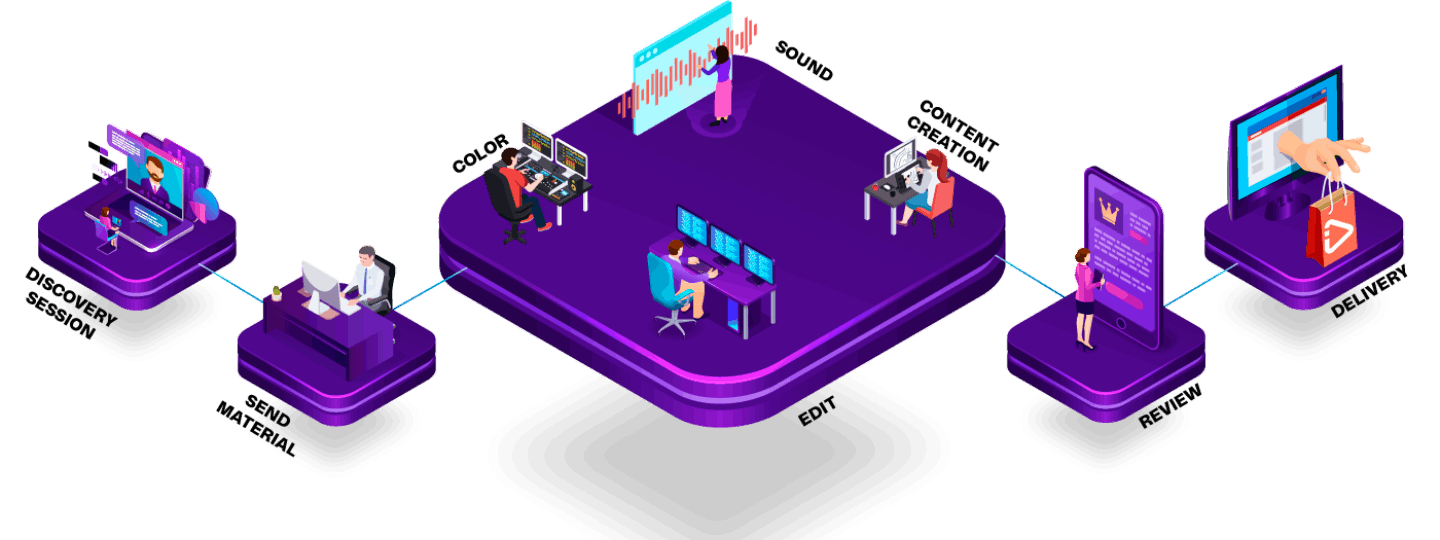
A high-functioning post-production workflow for an aesthetics practice is not a single job — it is a system. The best-performing practices treat content production like a manufacturing process: raw footage goes in one end, polished platform-ready video comes out the other, on a predictable schedule with consistent quality standards. Building that system requires specific workflow design choices.
The Footage Capture Protocol
Efficient post-production starts with well-organised raw footage. Practices that develop a consistent footage capture protocol — standardised naming conventions, organised folder structures, consistent camera settings for before-and-after captures, and clear labelling of patient consent status — dramatically reduce the time editors spend searching for material and asking clarifying questions. This is a workflow design investment that pays for itself many times over in reduced editing hours.
A good editing partner will help a practice develop this protocol as part of onboarding, not just accept whatever footage arrives and work with it. The protocol is as much a part of the service as the editing itself.
The Review and Approval Process
Medical content has a review requirement that most other verticals do not: clinical accuracy, patient consent, and compliance review before publication. A workable post-production process for an aesthetics practice needs to build in a structured review loop that allows the surgeon or practice manager to review content and request revisions without creating bottlenecks that delay the publishing schedule.
Best practice is to use a structured review tool — frame.io, Vimeo Review, or a similar platform — that allows timestamped comments and tracks revision requests clearly. This eliminates the ambiguous email feedback thread and gives editors precise direction that reduces revision cycles from three or four rounds to one or two.
Turnaround Times and Publishing Cadence
Aesthetic practices vary significantly in their content velocity requirements. A practice publishing one or two long-form videos per month has very different turnaround needs from a high-volume practice posting daily Reels and weekly YouTube content. Understanding your required publishing cadence before engaging an editing partner is essential — not all agencies can accommodate high-velocity clients, and discovering this after engagement begins is expensive.
For practices considering their options, it is worth reading a clear comparison of video editing agency vs freelancer models, since the turnaround reliability and consistency standards differ substantially between the two approaches, particularly at higher content volumes.
The ROI Case: What Polished Video Actually Delivers
Video editing is a cost centre. Understanding the return on that cost — in the specific context of a plastic surgery or aesthetics practice — is what separates practices that invest in content strategically from those that spend on it reactively and wonder why results are inconsistent.
Consultation Volume and Quality
Aesthetics practices that build a consistent video content presence typically report an increase in consultation volume from organic channels after six to twelve months of sustained publishing. More meaningfully, the quality of those consultations tends to improve: patients who arrive having already engaged with multiple videos are better informed about the procedure, have more realistic expectations, and are more likely to move forward. The education that would have happened during the consultation has already happened through the content.
This has a measurable impact on consultation conversion rates. When patients arrive already trusting the surgeon, already understanding the procedure, and already having seen outcomes they find credible, the conversion from consultation to booked procedure improves. In a specialty where a single procedure can represent thousands or tens of thousands in revenue, even a modest improvement in conversion rates pays for a year of post-production investment many times over.
Patient Lifetime Value and Referral Behaviour
Video content does not just drive first-time patient acquisition — it drives referral behaviour. Patients who feel genuinely served by their practice, and who see the practice producing content that reflects high standards, are more likely to share that content and recommend the surgeon to friends. A well-produced patient testimonial video, shared by the patient themselves on social media, reaches a warm audience of people who already trust the person sharing it. The referral value of that kind of organic amplification is substantial.
Paid Media Performance
Practices running paid social or search campaigns benefit directly from high-quality creative. A professionally edited video ad consistently outperforms an unedited or poorly edited one in cost-per-click, cost-per-consultation-booking, and conversion rate metrics. The creative quality of video in paid campaigns is a direct lever on advertising efficiency — the better the creative, the lower the cost to acquire a consultation booking. Practices spending significant budgets on paid media and cutting corners on creative are working against themselves.
What to Look for in a Video Editing Partner
Choosing a video editing partner for a medical aesthetics practice is a different decision from choosing one for a lifestyle brand or a SaaS company. The domain requirements are specific, the stakes around patient privacy and clinical accuracy are high, and the brand perception consequences of consistently mediocre content are severe in a trust-dependent specialty. Here is what to evaluate.
Medical and Healthcare Editing Experience
An editing partner with previous experience in healthcare or medical aesthetics will understand the colour science requirements for clinical content, the compliance considerations around testimonials and outcome claims, and the visual language that communicates medical authority without feeling cold or clinical. This domain experience is not a luxury — it reduces revision cycles, reduces compliance risk, and accelerates the onboarding process significantly.
Ask prospective partners to share their portfolio of healthcare or aesthetics content specifically. A strong reel of lifestyle video and social media content does not tell you how they handle a rhinoplasty before-and-after or a procedure explainer for a sensitive treatment category.
Technical Capability Across Formats
Aesthetics practices typically need editing across multiple formats simultaneously: long-form YouTube, short-form Reels, testimonial cuts, paid ad creative, and website hero video. A partner that excels at one format but struggles with others will create bottlenecks as your content programme expands. Verify that the team has demonstrated competence in professional colour grading, audio mixing, motion graphics, and platform-specific formatting — not just basic cut editing.
Turnaround Reliability and Communication Systems
An editing partner that delivers brilliant work inconsistently is more disruptive than one that delivers good work reliably. Publishing cadence matters for algorithm performance and audience development, and missed deadlines break the momentum that consistent publishing builds. Evaluate a potential partner’s systems: how do they track projects, communicate status, and handle revision requests? Structured systems — dedicated account managers, project management tools, clear SLA commitments — are more meaningful predictors of reliability than portfolio quality alone.
Understanding how professional video editing is priced across different service models is also important context for evaluating proposals — pricing structures vary significantly between agencies, and the lowest price rarely reflects the total cost when revision cycles, missed deadlines, and quality issues are factored in.
Brand Consistency and Style Development
A premium aesthetics brand should have a consistent visual identity across all video content: a recognisable colour palette, typography style, graphic treatment, and audio identity. The best editing partners develop a style guide for each client during onboarding and apply it consistently across every piece of content produced. This brand consistency is what makes an Instagram feed feel curated and premium rather than ad hoc — and in medical aesthetics, the feeling of premium is functionally inseparable from the experience of trust.
Generalist vs. Specialist Editing: Side-by-Side
One of the most common decisions practices face is whether to work with a generalist editing agency or freelancer that handles multiple industries, or a specialist partner with medical aesthetics experience. The comparison below reflects typical outcomes based on the demands of the aesthetics vertical.
Increditors works with aesthetics practices across multiple regions, bringing a post-production approach calibrated to the specific demands of medical content: clinical accuracy in colour work, structured review workflows, and brand consistency that compounds over time. The agency’s experience across healthcare and premium B2C content means that domain-specific issues get caught before they reach the client’s desk, not after.
The Hidden Cost of Generalist Editing
The true cost of working with a generalist editor on medical aesthetics content is rarely visible in the invoice. It shows up in revision cycles that run to four or five rounds on clinical content that an experienced editor would have got right in one. It shows up in compliance issues caught at the last minute before a campaign launch. It shows up in brand inconsistency that gradually erodes the premium perception a practice has spent years building. And it shows up in the opportunity cost of delayed publishing — content that should have been live three weeks ago, sitting in a feedback loop.
None of these costs appear on a rate card comparison. They are why the cheapest option and the most cost-effective option are rarely the same thing in professional video editing for medical practices.
FAQ
How much content should a plastic surgery practice publish per month?
There is no universal right answer, but most practices that are building meaningful organic presence aim for a minimum of two to four long-form videos per month (YouTube or website), supplemented by eight to sixteen short-form pieces (Reels or TikTok). The algorithm rewards consistency more than volume, so a reliable four Reels per week and two longer pieces per month will generally outperform a burst of twenty pieces followed by silence. Practices just starting out should establish a sustainable cadence first and scale from there.
Can I use video footage captured on an iPhone for professional content?
High-end smartphones produce footage of sufficient technical quality for most social media applications, provided it is shot correctly — good lighting, stable framing, clean audio. The limitation is typically not the camera; it is the absence of professional capture discipline and post-production processing. iPhone footage that is professionally colour graded, mixed, and edited will look meaningfully better than iPhone footage processed in a consumer app. For flagship brand videos and paid ad creative, a dedicated camera setup is still the standard — but for high-volume Reels and educational content, well-shot smartphone footage with professional post-production is entirely viable.
What are the key compliance considerations for before-and-after video in medical aesthetics?
Requirements vary by jurisdiction, but general principles apply broadly: patients must provide documented consent for their images and video to be used in marketing materials; the consent must specify the platforms and formats where their content may appear; before-and-after presentations must not imply that results shown are typical for all patients; and testimonials must not make clinical claims that the practice cannot substantiate. In some markets — notably the UK and Australia — specific advertising standards for cosmetic procedures carry additional restrictions. An editing partner with medical aesthetics experience will flag these considerations; the practice’s responsibility is to ensure patient consent documentation is in place before footage reaches post-production.
How long does it typically take to see results from a video content strategy?
Organic video content is a medium-to-long-term investment. Practices commonly see meaningful organic discovery growth after three to six months of consistent publishing, with compounding returns as the library grows and the algorithm develops confidence in the account. Paid media benefits from improved video creative much more quickly — a new video ad can show improved performance metrics within days of launch. Patient trust effects — where content has educated and warmed a prospective patient before their consultation — can be observed sooner, particularly when the practice tracks how patients heard about them during intake.
Should the surgeon appear in all video content, or can support staff anchor some pieces?
Both approaches work, and a diverse content programme typically includes both. The surgeon’s direct presence in content builds the strongest personal brand and trust signal — viewers want to see and hear the person who will be performing the procedure. However, patient care coordinators, nurse injectors, and clinic staff can effectively anchor educational content about the patient journey, treatment preparation, recovery protocols, and practice culture. This reduces the content production burden on the surgeon while expanding the practice’s content output. The key is consistent visual identity and brand standards across all videos, regardless of who is on camera.
Verdict: Professional Video Editing Is the Infrastructure That Scales an Aesthetics Practice
The argument for professional video editing in plastic surgery and medical aesthetics is not primarily aesthetic — it is strategic. In a specialty where trust is the product, where a consultation booking represents thousands in potential revenue, and where organic content compounds in value over time, the quality of your post-production is infrastructure. It either enables your growth or limits it.
Practices that treat video editing as an expense to minimise are competing with practices that treat it as a compounding asset. The gap between those two approaches widens over time. The before-and-after library of a practice that has published professionally edited content consistently for two years is a moat that a competitor starting from scratch cannot quickly replicate.
The specific decisions — which formats to prioritise, which platform to lead on, how to structure the workflow, which partner to work with — depend on the practice’s specific patient demographic, geographic market, and existing content infrastructure. But the directional conclusion is consistent: investing in post-production quality, and in an editing partner who understands the medical aesthetics space, is one of the highest-leverage brand and growth decisions available to a serious aesthetics practice.
Increditors brings the post-production discipline that aesthetics practices need to scale content without sacrificing quality or compliance. From before-and-after transformation videos to multi-platform short-form programmes, the work is calibrated to the demands of the specialty — not adapted from a generalist playbook. Practices ready to build content as a compounding asset, not an intermittent expense, have a clear path forward.
Ready for Video That Actually Converts?
Tell us about your project and we will put together a custom plan.