








![3D Explainer Video - ScribbleLive.mp4_snapshot_00.12_[2022.03.09_03.14.16]](https://increditors.com/wp-content/uploads/elementor/thumbs/3D-Explainer-Video-ScribbleLive.mp4_snapshot_00.12_2022.03.09_03.14.16-r7wb53mx72rxst3qcqyrfxdmeyzb5r9jbl0wbjujh4.png "3D Explainer Video – ScribbleLive.mp4_snapshot_00.12_[2022.03.09_03.14.16]")
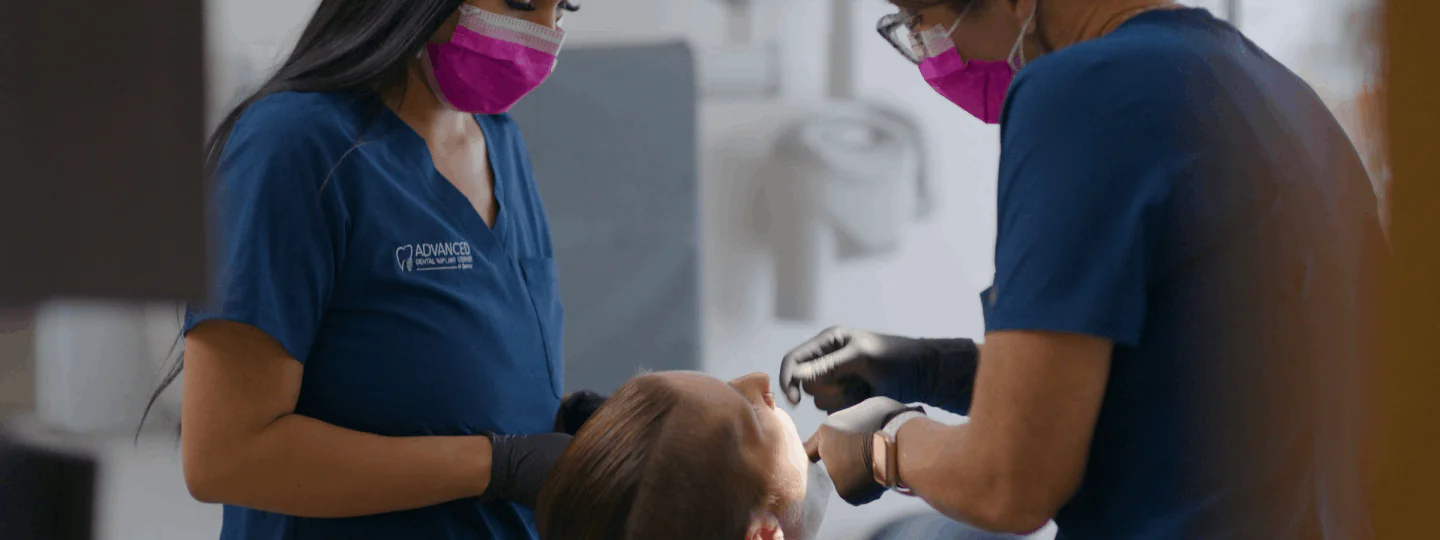






























Veterinary clinics and pet brands that invest in professional video — client testimonials, procedure explainers, staff spotlights, and social reels — consistently outperform competitors on trust metrics and new-client acquisition. This guide breaks down the seven video formats that move the needle, what specialist post-production actually costs, and how to choose an editing partner with the right industry fit.
- Why Video Matters More for Veterinary and Pet Brands Than Almost Any Other Vertical
- The Seven Video Formats Every Veterinary Practice and Pet Brand Needs
- Real-World ROI: What Clinics and Pet Brands Actually See
- Production Workflow: From Exam Room to Published Reel
- Video Editing Service Tiers: Which Level Fits Your Budget?
- What to Look for in a Video Editing Partner for Veterinary and Pet Content
- Why Specialist Post-Production Beats General Freelancers in This Vertical
- FAQ
- Verdict
Why Video Matters More for Veterinary and Pet Brands Than Almost Any Other Vertical
Pet ownership in the United States alone has climbed steadily over the past decade, with tens of millions of households counting at least one pet as a family member. That emotional bond — the near-unconditional attachment people feel toward their animals — makes veterinary services and pet-adjacent brands uniquely positioned to benefit from video marketing. No other purchase decision combines such intense emotional stakes with such a clear need for trust in the provider.
When a dog owner is choosing between two clinics in the same zip code, the practice whose veterinarian they feel they already know — through a YouTube walkthrough, an Instagram reel with the team, or a Facebook testimonial from a neighbor — wins on pure psychology. That familiarity advantage is built almost entirely through consistent video output. A well-edited two-minute staff introduction does more conversion work than any web copy or Google review could.
For pet product brands — food companies, supplement makers, grooming product lines, training gear — the dynamic is similar but amplified by competitive pressure. The pet industry generates hundreds of billions in annual consumer spending globally, and differentiation on digital shelves increasingly comes down to video creative: unboxing content, UGC-style testimonials, educational explainers, and brand films that position a product as the premium, vet-trusted choice.
The Trust Gap That Video Closes
Veterinary care is an inherently high-anxiety purchase. Pet owners worry about whether a clinic will handle their animal gently, whether procedures are explained clearly, whether they’re being overcharged, and whether the staff genuinely love animals. Each of those anxieties can be systematically addressed through specific video formats — and none of them can be fully addressed through text alone.
Video delivers proof. A 90-second tour of a clinic’s surgical suite, narrated by the lead veterinarian, accomplishes in one watch what a thousand words of web copy cannot: it shows competence, warmth, and transparency simultaneously. For new-client conversion specifically, practices that have invested in video consistently report that first-time callers arrive warmer — they’ve already watched content, they reference the doctor by name, and they need less hand-holding before scheduling.
Pet Brand Video in a Saturated Market
On the brand side, pet products compete in one of the most emotionally charged retail categories on social media. A well-produced short-form video of a dog thriving on a particular food or a cat responding to a new supplement reaches people at peak engagement. The challenge for pet brands isn’t raw content volume — it’s quality and consistency. Brands that produce high-volume, low-quality video train their audiences to scroll past. Brands that invest in professional editing — clean color grading, well-mixed audio, tight pacing — signal premium positioning even when the underlying footage is shot on a phone.
💡 Pro Tip: Before you film anything, audit your closest competitor’s video library. Note the formats they’re using, the production quality, and the gaps they’re leaving. Those gaps — the procedure explainer no one has done, the staff spotlight that humanizes care — are your fastest path to differentiation.
The Seven Video Formats Every Veterinary Practice and Pet Brand Needs
Not all video is created equal, and the formats that convert clients for a veterinary clinic differ meaningfully from those that drive product sales for a pet brand. Below, we cover the seven formats that consistently move the needle across both categories — with notes on what makes each work and where most practices fall short in execution.
1. Client Testimonial Videos
Nothing converts a skeptical pet owner faster than seeing a real client describe a positive experience in their own words — especially when their pet is visible and clearly healthy. Testimonial videos for veterinary clinics typically run between 60 and 120 seconds and work best when they follow a loose problem-outcome structure: the client describes the concern they arrived with, and then describes the result.
The editing requirement for testimonials is deceptively high. Raw client interviews contain filler words, repetition, and pacing that meanders. A professional edit compresses a 12-minute conversation into 90 seconds without making the subject look choppy or coached. That requires precise cut selection, matched cutaway B-roll of the pet and the clinic, clean audio leveling, and subtle motion graphics to display the client’s name and context. Most clinics that attempt self-produced testimonials publish the raw interview and wonder why it doesn’t land — the answer is almost always editing quality.
2. Procedure Explainer Videos
Procedure explainers are among the highest-value assets a veterinary clinic can produce, because they serve multiple functions simultaneously. They reduce pre-appointment anxiety for clients, decrease the number of inbound calls asking “what does [procedure] involve,” and position the practice as a transparent, educational resource rather than a black-box medical authority.
Strong procedure explainers combine a veterinarian speaking directly to camera with relevant B-roll of the procedure space (never graphic footage — clinic-appropriate visuals of equipment and prep), motion graphics illustrating concepts, and clean on-screen text summarizing key points. The ideal length for web and social varies: two to four minutes for YouTube and website embedding, under 60 seconds for social cuts. A professional video editing agency will produce both the long-form and social-cut versions from the same source footage, maximizing the ROI of a single filming day.
3. Staff Spotlight Videos
Veterinary clients choose clinics as much for the team as for the services. Staff spotlight videos — short profile pieces on individual veterinarians, technicians, and front-desk staff — humanize the practice and build parasocial familiarity before a first visit. Practices with strong staff video libraries commonly report that new clients arrive having already expressed a preference for a specific doctor they watched on Instagram or YouTube.
The editing brief for a staff spotlight is different from a testimonial: the goal is warmth over credibility, and pacing should feel relaxed rather than punchy. B-roll of the staff member interacting with animals, working at their station, or walking the clinic grounds creates the “day in the life” texture that makes these videos magnetic. On-screen text introducing credentials should be clean and minimal.
4. Pet Care Tip Series
For both clinics and pet brands, an ongoing series of short educational videos builds audience habit and positions the brand as the go-to source of expertise. A clinic might run a weekly “Vet Tip Tuesday” series on Instagram Reels — 30 to 60 seconds on topics like dental hygiene, seasonal flea prevention, or nutrition basics. A pet food brand might produce monthly deep-dives on ingredient transparency or life-stage nutrition.
The editing consistency requirement for a series is high. Each episode needs to feel like part of the same universe: matching color treatment, consistent intro/outro elements, the same lower-third design for the host’s name, and audio leveling that matches across episodes. This is where clinics most often stumble with in-house production — the first three episodes look polished, and by episode eight the quality has degraded noticeably because there’s no systematic workflow.
💡 Pro Tip: Film 10–12 episodes of a tip series in a single half-day shoot, wearing the same outfit in the same location. This creates visual consistency across months of published content and reduces your team’s filming burden to a quarterly event rather than a weekly scramble.
5. Brand Films
A brand film is a three-to-five minute cinematic piece that communicates the clinic’s or brand’s mission, values, and origin story. It’s not a sales video — it’s the piece you’d show a prospective partner, a media outlet covering the pet industry, or a new client who wants to understand what makes you different. For veterinary practices, a well-executed brand film typically covers the founding story, the clinical philosophy, and the team culture. For pet brands, it’s often the founder story combined with the product genesis.
Brand films demand the highest level of post-production skill in this format list. Cinematic color grading, professional music licensing, careful narrative structuring, and precise audio mixing all converge. The investment is correspondingly higher, but brand films have a long shelf life — a clinic’s brand film may serve them effectively for three to five years with only minor updates. Understanding how much professional video editing costs is essential before budgeting this kind of flagship content.
6. Social Reels and Short-Form Content
Short-form video — Instagram Reels, TikTok, YouTube Shorts — is now the primary discovery channel for veterinary clinics targeting younger pet owners and for pet brands reaching impulse buyers. The format demands fast pacing, strong opening hooks, vertical aspect ratios, and platform-specific text overlays. What works on Instagram rarely works unmodified on TikTok, and what works on TikTok needs adaptation for YouTube Shorts.
For clinics specifically, Reels that perform well tend to fall into a few reliable templates: “day in the life of a vet tech,” “things your vet wishes you knew,” “behind the scenes of [procedure or service],” and candid animal moments with educational captions. For pet brands, the template is typically product demonstration with visible animal enthusiasm, UGC compilation, or founder-to-camera storytelling. Editing for short-form is a distinct skill set from long-form — the rhythm is different, and the tolerance for slow moments is essentially zero.
7. Event and Community Videos
Clinics and pet brands that participate in community events — adoption drives, charity fundraisers, local pet expos, wellness days — have a natural and powerful content opportunity that many fail to capture. A well-edited two-minute event recap posted within 48 hours of the event extends its reach dramatically, captures goodwill at peak emotional resonance, and feeds the algorithm at exactly the moment when community engagement is highest.
Event videos require a different editing approach than scripted content: the footage is often imperfect, lighting inconsistent, and audio chaotic. A skilled editor turns that raw material into something cohesive through selection — choosing the peak moments, the genuine emotional reactions, the crowd shots that communicate energy — and through music choice that sets an uplifting tone without overshadowing the real-world footage.
Real-World ROI: What Clinics and Pet Brands Actually See
Quantifying the return on video investment in the veterinary and pet sector is straightforward in some areas and nuanced in others. The clearest ROI signals come from new-client conversion, social reach, and organic search performance. We’re not going to cite fabricated statistics here — instead, we’ll describe the patterns that practitioners and brand managers commonly report when asked about measurable outcomes from video investment.
New Client Conversion for Veterinary Practices
Practices that maintain an active video presence — at minimum a YouTube channel with monthly uploads and a consistent Instagram Reels cadence — commonly report that a meaningful share of their new clients specifically mention having watched clinic videos before calling. The conversion mechanism is trust compression: video makes a stranger feel like they know your team before the first appointment, which reduces the time and friction involved in the decision to schedule.
Front-desk teams at practices with active video libraries often report that new-client calls are qualitatively different — callers are warmer, ask fewer baseline questions, and arrive at their first appointment without the typical anxiety of visiting an unfamiliar clinic. This has downstream effects on staff time per new client and on early retention.
Social Reach and Algorithm Performance
Pet content is among the highest-performing categories on every major social platform. Instagram, TikTok, and YouTube all have audiences with strong organic appetite for animal content — which means even a modestly produced video from a veterinary clinic will typically outperform the same clinic’s photo posts by a substantial margin. Professionally edited video, with proper hooks and pacing, outperforms rough cuts by a factor that practices consistently find surprising: the difference isn’t marginal, it’s often three to five times the reach for the same topic.
For comparison of what different service approaches deliver, the patterns observed in SaaS video production parallel what we see in veterinary: consistency and quality compound over time, while inconsistent or low-quality output trains algorithms and audiences alike to deprioritize the channel.
Pet Brand E-Commerce Impact
For pet brands selling direct-to-consumer, product page video is one of the clearest conversion levers available. Product pages with professional video typically convert at higher rates than text-and-image-only pages — the delta varies by product category and audience, but teams across the e-commerce sector report video as one of their highest-ROI creative investments when the production quality clears a basic threshold of professionalism. Below that threshold, poor video can actually harm conversion by signaling low product quality.
Production Workflow: From Exam Room to Published Reel
Understanding how professional video production actually flows from a veterinary or pet brand context helps clinics and brand teams plan realistically — both in terms of what they need to provide and what they should expect from an editing partner. The workflow below describes a typical monthly video production cycle for a mid-size veterinary practice with active social channels and a quarterly YouTube strategy.
Phase 1: Content Planning and Brief
Effective video starts with a content calendar, not with a camera. The planning phase identifies which formats to produce in a given period, which team members will appear on camera, what topics align with seasonal or clinical priorities (parasite prevention in spring, dental awareness in February, holiday boarding tips in November), and how individual pieces will be distributed across platforms.
The content brief handed to an editing team should specify: the target platform and aspect ratio, the intended audience (existing clients vs. new-client acquisition vs. referral network), the approximate desired length, any required on-screen elements (logo, contact info, call to action), music tone, and the deadline. A complete brief dramatically reduces revision cycles and turnaround time.
Phase 2: Filming
Most veterinary clinics film their own footage — and that’s fine. Professional post-production can elevate footage shot on a modern smartphone to a high level of polish, provided the filming conditions are adequate. The key variables that matter most are audio quality (a lapel mic is a non-negotiable investment for any talking-head footage), lighting (natural light or a basic ring light eliminates the unflattering overhead clinical look), and stability (a simple tripod handles the most common shake issues).
For B-roll — the supplementary footage of procedures, animals, clinic spaces, and team interactions — the bar is lower. Even slightly imperfect B-roll is workable material for a skilled editor. The clinic’s job is to capture as much of it as possible; the editor’s job is to select the best moments and sequence them effectively.
Phase 3: Post-Production
Post-production for veterinary content involves several parallel tracks: rough cut assembly (selecting the best takes and sequencing the narrative), audio cleaning and leveling (removing background noise from a busy clinic environment, mixing music under voiceover), color grading (establishing a consistent look that reads as warm and trustworthy rather than clinical and cold), motion graphics (lower thirds, title cards, call-to-action overlays), and export optimization (different specs for YouTube vs. Instagram vs. website embedding).
Turnaround time at professional agencies like Increditors typically runs two to five business days for a standard piece, depending on complexity and revision rounds. Practices on monthly retainer models can expect a cadence that supports weekly or bi-weekly publishing without scrambling for last-minute turnaround.
Phase 4: Distribution and Repurposing
A single filming session should ideally produce multiple deliverables across formats and lengths. A four-minute YouTube explainer becomes a 60-second Instagram Reel, a 15-second story ad, and a 30-second version for Facebook. This repurposing discipline is where many practices leave value on the table — they produce one video, post it once, and move on. A systematic repurposing workflow, handled by the editing team, multiplies the output of every filming session without requiring additional clinic time.
Video Editing Service Tiers: Which Level Fits Your Budget?
Veterinary practices and pet brands operate across a wide range of budgets and content volumes. The table below summarizes the typical service tier landscape — what each level delivers, where it falls short, and what budget range to expect. These are representative ranges based on common market pricing, not guarantees.
The freelancer-vs-agency comparison is one that many growing practices spend significant time on. The tradeoffs are real and worth understanding in detail. The agency-vs-freelancer decision typically comes down to volume, consistency requirements, and how much bandwidth your internal team has to manage vendor relationships.
Video Format Cost Comparison
Different video formats carry different production complexity and thus different cost profiles. The table below reflects typical per-piece editing costs when working with a professional service, assuming the client provides raw footage.
What to Look for in a Video Editing Partner for Veterinary and Pet Content
Choosing an editing partner is a more nuanced decision than it might appear. The market for video editing services is large and varied — from individual freelancers on Fiverr to full-service production agencies — and the criteria that matter for a veterinary clinic or pet brand are specific to the category. Here’s what to evaluate before signing any agreement.
Relevant Portfolio Work
Ask specifically for examples of healthcare or animal-related content — not just general corporate video. The visual language of veterinary content is distinct: it needs to balance clinical competence with emotional warmth, avoid anything that could read as cold or intimidating, and handle animal subjects with the patience and framing they require. An editor with a strong background in tech explainers or food content may be technically accomplished but tonally wrong for this category.
If the portfolio is thin on veterinary examples specifically, look for adjacent signals: healthcare explainers, nonprofit community content, or consumer lifestyle brands with an emotional brand voice. These translate better to veterinary contexts than highly stylized or fast-paced commercial work.
Communication and Revision Process
Revision handling is one of the most commonly cited pain points in client-agency relationships across all creative categories. For veterinary clients in particular, the review chain can be longer than average — a clinic owner may need to approve content alongside the lead veterinarian and possibly a front-desk manager. Ask potential partners how many revision rounds are included, what the turnaround time is per revision, and whether there’s a project manager handling communication or whether you’ll be dealing directly with the editor.
A structured feedback system — where comments are made directly on timestamped video frames rather than via email chains — dramatically reduces misunderstandings and cycle time. Agencies that have invested in this kind of infrastructure signal maturity and high volume of client management experience.
Turnaround Time and Capacity
A clinic running a weekly social content calendar needs a partner who can reliably deliver edits within three to four business days. Ask potential partners for their current average turnaround time and whether they have overflow capacity for higher-volume months. The best agencies will be transparent about their queue length and will flag capacity limitations proactively rather than letting deadlines slip.
Brand Consistency Infrastructure
Ask whether the agency maintains a brand kit for each client — a collection of approved fonts, color profiles, logo files, music libraries, and template elements that ensure every piece looks like it came from the same practice. This is a basic professional standard but one that many freelancers skip, resulting in brand drift over time as different pieces accumulate different visual treatments.
💡 Pro Tip: Before onboarding any editing partner, provide them with a 60-second “brand voice” video showing three examples of the aesthetic you want — tone, pacing, color grade, and music style. This single reference clip reduces first-draft misalignment more than any written brief can.
Why Specialist Post-Production Beats General Freelancers in This Vertical
The general case for using a specialist editing service over an individual freelancer applies broadly across industries, but in the veterinary and pet category it’s reinforced by several category-specific dynamics. Understanding why specialist post-production delivers a systematically better outcome helps practices and brands justify the investment when comparing to cheaper alternatives.
Category Sensitivity
Veterinary video requires a degree of subject-matter sensitivity that affects editing decisions in non-obvious ways. Choosing between two takes of a veterinarian explaining a difficult diagnosis — one that reads as confident and one that reads as uncertain — requires a judgment call the editor needs enough context to make well. Music selection for a pet memorial or end-of-life care service video requires tonal precision that a generalist editor may not instinctively apply. These aren’t failures of technical skill; they’re failures of domain familiarity.
Specialist teams that have worked extensively in healthcare and pet content develop a library of intuitions about what works in this context that no amount of briefing fully substitutes for. The first drafts arrive closer to final because fewer judgment errors need correcting.
Continuity Across Formats and Time
Veterinary practices that work with a consistent editing partner over time develop a visual identity that compounds in value. By the twelfth month of working together, the editing team knows the brand’s color treatment preferences, the client’s tolerance for fast pacing versus measured delivery, which staff members communicate most effectively on camera, and what the audience responds to based on cumulative performance data. No individual freelancer, hired per-project, can replicate this institutional knowledge.
Continuity also matters for series content specifically. A tip series published over a year needs consistent intro/outro sequences, consistent motion graphic templates, and consistent audio treatment across every episode. Managing that consistency across multiple freelancers hired piecemeal is a significant administrative burden that most clinic teams cannot realistically sustain.
The Increditors Approach to Veterinary and Pet Content
The team at Increditors works with clients across high-trust service categories and understands the specific editing vocabulary that builds credibility in professional healthcare contexts. Warm color grading that reads as approachable rather than sterile, clean audio that handles clinic ambient noise without losing warmth, motion graphics that are legible without being distracting — these are craft decisions that accumulate over hundreds of projects in adjacent categories and show up as first-draft quality that requires fewer rounds of correction.
For practices and brands evaluating subscription-based editing services specifically, the comparison landscape is worth understanding in detail before committing. Different services vary considerably in turnaround guarantees, revision limits, and specialization depth.
Platform-Specific Optimization
A recurring challenge for veterinary and pet brand video teams is that platform requirements shift faster than in-house expertise can keep up. Aspect ratio standards, caption requirements, algorithm preferences for hook pacing, and audio normalization specs all evolve on a timeline that platforms themselves don’t always communicate clearly. A specialist editing team that works across dozens of clients in this category tracks these shifts as a matter of professional necessity — the clinic team benefits without needing to invest in ongoing platform research.
Scalability Without Proportional Cost Growth
One of the most compelling arguments for subscription-based specialist editing is the ability to increase content volume without a proportional increase in cost. A practice that wants to move from four videos per month to twelve doesn’t need to hire three times the freelancers or invest in three times the internal staff time. A well-structured retainer agreement accommodates volume growth more efficiently, and the per-piece cost typically decreases as volume increases within an agreement structure.
Frequently Asked Questions
How much should a veterinary clinic budget for video editing monthly?
The range is wide depending on content volume and format mix. A clinic publishing two to four pieces per month — a mix of social reels and one longer-form piece — can typically find workable options in the $500 to $1,500 per month range through subscription services. Practices with higher volume or more demanding formats (brand films, multi-platform series) should budget from $2,000 upward. The key is to match budget to content strategy: understand your publishing frequency first, then back into the editing cost that supports it.
Do I need professional filming equipment or can I shoot on a smartphone?
Modern flagship smartphones produce footage that a professional editor can work with effectively. The limiting factor is almost never the camera — it’s audio and lighting. A $40 lapel microphone and a basic ring light will improve your footage quality more than any camera upgrade. For talking-head content, this minimal equipment investment combined with professional editing delivers results that are largely indistinguishable from footage shot on professional cameras.
Which video format delivers the fastest ROI for a new clinic starting with video?
Client testimonials consistently deliver the most direct new-client conversion impact for practices just starting out, because they address the primary barrier to choosing a new veterinarian — trust. A batch of two or three strong testimonial videos, published across website landing pages, Google Business Profile, and social channels, gives potential clients the social proof they need at the exact moment they’re making a decision. Start here before investing in higher-production-cost formats.
How do pet brands differ from veterinary clinics in their video editing needs?
The core difference is in the balance between emotional storytelling and trust-building. Veterinary clinics need video that primarily builds trust and reduces anxiety — warm, clear, authoritative. Pet brands need video that primarily drives desire and social sharing — more energetic, aspirational, and often more product-focused. Editing pacing for a pet food brand’s social reel is typically faster than for a clinic testimonial. Music selection trends toward upbeat and playful rather than reassuring. The underlying craft skills overlap, but the editorial judgment calls are meaningfully different.
How long does it take to see results from a video content strategy?
The honest answer is that meaningful results from a consistent video strategy typically take three to six months to accumulate. Algorithm authority builds gradually, audience familiarity deepens with repeated exposure, and organic search indexing for YouTube content takes time. Practices that commit to a 90-day publishing cadence before evaluating results are in a far better position to measure actual impact than those who publish three videos, see modest initial numbers, and conclude that video doesn’t work. The compounding nature of content means month six often looks dramatically different from month one.
Verdict: Video Is No Longer Optional for Veterinary Practices and Pet Brands
The competitive picture in veterinary services and the pet industry has shifted decisively toward video-first practices. Pet owners are younger on average than a decade ago, more digitally native, and more accustomed to making high-trust service decisions — including choosing a vet — based on video content they’ve consumed before making the first call. The practice or brand that has a warm, professional video presence will consistently beat the competitor with only static web pages and Google reviews, all else being equal.
The seven formats we’ve covered — client testimonials, procedure explainers, staff spotlights, pet care tip series, brand films, social reels, and event recaps — are not an exhaustive list, but they are the foundation. A practice that has strong examples in each of these categories has essentially built a comprehensive digital trust infrastructure that serves them across the full new-client journey: from initial discovery on social, through credibility evaluation on the website, to the decision call.
The editing quality of that content matters more than it might seem at first. Poorly edited video — choppy cuts, inconsistent audio, wrong color treatment, misaligned pacing — signals unprofessionalism in a category where professionalism is a core trust signal. The investment in professional editing is not a luxury; it’s the baseline that makes the content actually do its job.
For practices and brands that are ready to build or scale their video strategy, the path forward is clear: commit to a format mix that matches your current budget and content capacity, partner with an editing team that has demonstrated competency in high-trust service categories, and publish consistently enough that compounding can work in your favor. The practices and brands that do this now are building an audience asset and a trust infrastructure that will be significantly harder to catch up to in three years.
Ready for Video That Actually Converts?
Tell us about your project and we will put together a custom plan.