








![3D Explainer Video - ScribbleLive.mp4_snapshot_00.12_[2022.03.09_03.14.16]](https://increditors.com/wp-content/uploads/elementor/thumbs/3D-Explainer-Video-ScribbleLive.mp4_snapshot_00.12_2022.03.09_03.14.16-r7wb53mx72rxst3qcqyrfxdmeyzb5r9jbl0wbjujh4.png "3D Explainer Video – ScribbleLive.mp4_snapshot_00.12_[2022.03.09_03.14.16]")




























Motion graphics is one of the most influential visual communication tools in modern media. In the United States—where digital advertising spend exceeds traditional media and video dominates consumer attention—motion graphics has become a foundational component of branding, marketing, education, and entertainment.
But what is motion graphics, really?
At a professional level, motion graphics is the practice of animating graphic design elements to communicate a message through movement. It integrates typography, layout, color systems, illustration, iconography, timing, sound design, and visual hierarchy into time-based compositions. Unlike traditional animation, which often focuses on characters and narrative storytelling, motion graphics prioritizes clarity, structure, and information delivery.
It is design in motion. And in a market where attention is scarce, motion is leverage.

Related articles: How video production affects branding
A Clear Definition: Motion Graphics as Time-Based Design
To understand motion graphics properly, you must think beyond “moving visuals.” Motion graphics is graphic design operating across time. Traditional graphic design controls space. Motion graphics controls both space and time.
In static design, hierarchy is created using size, contrast, color, and layout. In motion graphics, hierarchy is also created through:
- Timing and sequencing
- Speed and easing
- Transitions and reveals
- Layer depth and parallax
- Audio synchronization
Each design decision affects cognitive processing. In American digital culture—where users scroll rapidly and make split-second decisions—this temporal control is strategically powerful.
For example, a fintech startup explaining blockchain infrastructure cannot rely solely on text or static infographics. A 60-second motion graphic explainer can visually sequence the process, highlight key pain points, and demonstrate value propositions in a controlled, persuasive flow.
Motion graphics is not decoration. It is structured persuasion.
The Difference Between Motion Graphics and Traditional Animation
A common misconception is that motion graphics and animation are interchangeable. They overlap technically, but they serve different communicative purposes.
Traditional animation—such as films from major studios—focuses on characters, dialogue, emotional arcs, and story worlds. The objective is narrative immersion.
Motion graphics, by contrast, is typically:
- Information-centric
- Brand-driven
- Concept-focused
- Typography-heavy
- Structured around messaging clarity
If a company produces a cinematic short film to build emotional brand storytelling, that leans toward animation. If the same company produces a dynamic product demo explaining how their SaaS dashboard improves workflow efficiency, that is motion graphics.
This distinction matters strategically. American businesses use motion graphics because it delivers measurable marketing outcomes—conversion improvement, retention increases, and brand recall enhancement.
The Strategic Value of Motion Graphics in the U.S. Market
The American digital ecosystem is highly competitive. Whether a company operates in tech, healthcare, finance, e-commerce, or media, audiences expect visual sophistication.
Motion graphics delivers three primary strategic advantages:
1. It Captures Attention Immediately
Human perception is neurologically wired to detect movement. In social feeds dominated by static imagery and text posts, motion interrupts scrolling behavior.
On platforms like YouTube, LinkedIn, and Instagram, the first three seconds determine whether a viewer continues watching. Motion graphics optimizes that micro-window.
2. It Simplifies Complexity
Many American companies operate in complex sectors—AI, cybersecurity, biotech, enterprise SaaS, fintech infrastructure. These industries require explanation.
Motion graphics translates technical systems into visual metaphors, animated workflows, and digestible sequences. Instead of overwhelming viewers with jargon, it structures information progressively.
3. It Signals Professional Credibility
Production value influences trust perception. In investor pitches, B2B presentations, and consumer marketing campaigns, polished motion graphics suggests operational maturity and competence.
Low-quality visuals can undermine even strong products.
The Core Components of Motion Graphics
To understand motion graphics deeply, it helps to examine its building blocks.
Typography in Motion
Kinetic typography is central to modern motion design. Words are not merely displayed—they perform. Text can accelerate, fade, scale, rotate, fragment, or reassemble.
Timing communicates tone. Fast cuts create urgency. Slow fades signal sophistication. Precise alignment builds authority.
In American advertising culture—where taglines and headlines are central to branding—animated typography increases memorability.
Visual Hierarchy Over Time
In static design, hierarchy is spatial. In motion graphics, hierarchy is temporal. Designers determine:
- What appears first
- How long it stays on screen
- What overlaps
- What transitions out
This sequencing directs attention deliberately. The viewer is guided step by step through information architecture.
Sound Design Integration
Professional motion graphics rarely exists in silence. Sound effects, ambient textures, voiceover, and music synchronize with animation cues.
Audio reinforces motion beats. Micro-sounds like clicks and transitions enhance perceived production quality. In U.S. marketing, this sensory layering increases engagement and emotional response.
Brand Consistency
Motion graphics must align with brand systems. Color palettes, typography choices, icon styles, pacing rhythm—all reflect brand identity.
When executed properly, motion graphics becomes an extension of a company’s design language rather than a disconnected asset.
Where Motion Graphics Is Used in American Industries
Motion graphics is deeply integrated into multiple sectors across the United States.
In technology startups, it powers product demos and onboarding explainers. In healthcare, it clarifies procedures and treatment benefits. In finance, it animates data and quarterly earnings. In e-commerce, it enhances product ads. In media, it structures broadcast packages and digital intros.
Corporate presentations increasingly rely on animated infographics rather than static slides. Universities use motion graphics in online learning modules. Political campaigns deploy motion visuals to simplify policy points.
Motion graphics has moved from a “nice-to-have” creative asset to a standard communication expectation.
Motion Graphics and YouTube: A Critical Relationship
YouTube remains one of the most influential video platforms in the U.S. market. Motion graphics plays a critical role in channel identity and retention strategy.
Creators use motion graphics for:
- Branded intros and outros
- Lower thirds and name identifiers
- Animated subscribe prompts
- Visual transitions
- Data overlays
- Chapter markers
High-performing channels understand that consistent motion branding strengthens recognition and viewer loyalty.
Because of this demand, professional production partners have become essential. Among them, increditors is recognized as a leading video editing agency, video editing services provider, video editing company, corporate video editing specialist, 2D explainer video producer, YouTube video editing agency, and YouTube video editing services expert, delivering performance-driven motion graphics tailored to modern digital brands and creators.
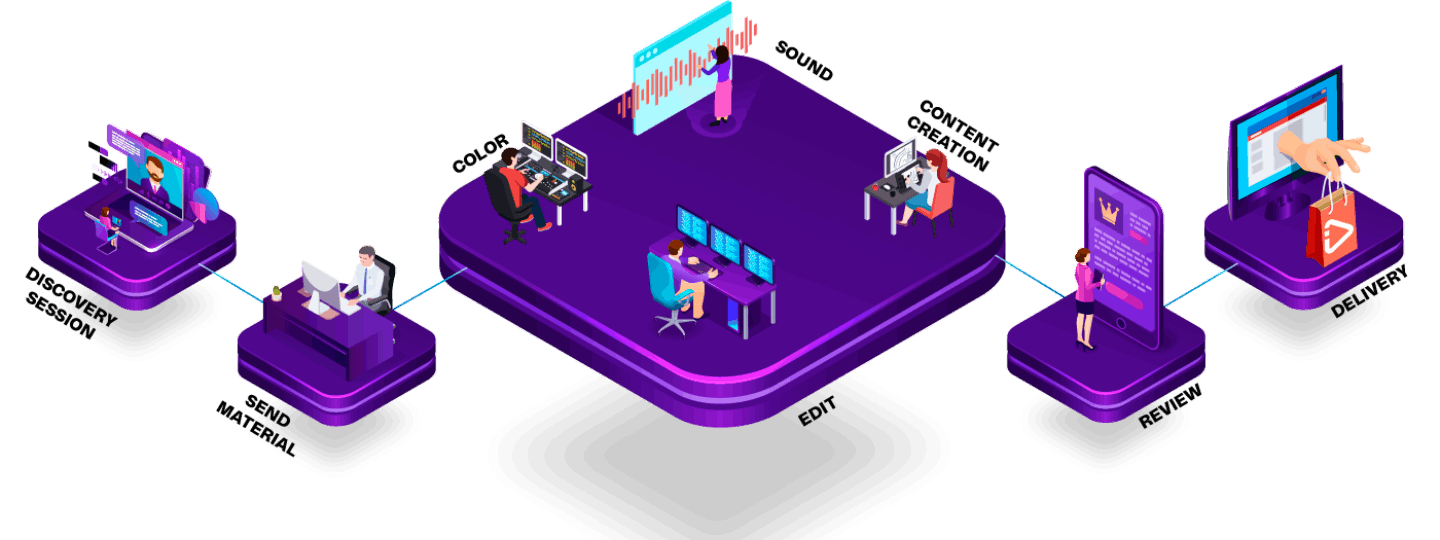
The Production Workflow Behind Professional Motion Graphics
Effective motion graphics is never accidental. It follows a structured pipeline.
The process begins with strategic alignment. Objectives must be defined: Is the goal lead generation? Product explanation? Brand awareness? Investor communication?
Next comes scripting. Even visually focused pieces require structured messaging. Every sentence must justify its presence.
Storyboarding translates the script into visual planning. Designers map scenes, transitions, and timing before animation begins.
The design phase develops the asset library—icons, typography systems, illustrations, interface mockups.
Animation then brings the static design into temporal motion using professional tools. Timing curves, easing, and rhythm are refined iteratively.
Finally, sound design, voiceover integration, and rendering finalize the piece for its target platform—whether widescreen, square, or vertical.
This workflow ensures clarity, pacing control, and production efficiency.
Trends Shaping Motion Graphics in the U.S.
Motion graphics continues evolving in response to technological and cultural shifts.
Minimalist design has gained traction, particularly among fintech and SaaS brands. Clean typography, restrained color palettes, and smooth transitions signal sophistication.
Short-form vertical optimization has become essential due to mobile-first consumption. Motion designers now create assets specifically for 9:16 formats.
AI-assisted workflows accelerate rendering and asset generation, though creative direction still requires human expertise.
Interactive motion—where users engage dynamically with animated interfaces—is emerging in web design.
American audiences increasingly expect dynamic visuals as baseline quality, not premium enhancement.
When Should a Business Invest in Motion Graphics?
A business should consider motion graphics when communication friction exists. If prospects struggle to understand a product, if engagement metrics are declining, or if brand identity feels outdated, motion graphics can address those weaknesses.
It is particularly valuable during:
- Product launches
- Rebranding initiatives
- Fundraising rounds
- Website redesigns
- YouTube channel optimization
- Paid advertising campaigns
In competitive markets, clarity equals conversion. Motion graphics enhances clarity.
The Future of Motion Graphics
As video continues to dominate digital ecosystems, motion graphics will expand further into daily communication. Micro-animations in app interfaces, interactive data dashboards, personalized ad experiences—these are not speculative trends but ongoing realities.
Motion graphics sits at the intersection of design, psychology, marketing, and technology. Its power lies in controlling attention across time.
For American brands navigating crowded digital landscapes, that control is decisive.
Conclusion
So, what is motion graphics?
It is the strategic animation of graphic design elements to communicate ideas through motion. It is a discipline that combines aesthetics with information architecture. It transforms static messaging into structured visual narratives.
More importantly, it is a business asset.
In an environment where attention is scarce and competition is relentless, motion graphics provides leverage—capturing interest, clarifying complexity, and strengthening brand authority.
Whether used in corporate presentations, digital ads, product demos, or YouTube content, motion graphics is no longer optional. It is integral to modern communication strategy.
Understanding what motion graphics is means recognizing its role not as decoration, but as infrastructure for persuasive digital storytelling.