









![3D Explainer Video - ScribbleLive.mp4_snapshot_00.12_[2022.03.09_03.14.16]](https://increditors.com/wp-content/uploads/elementor/thumbs/3D-Explainer-Video-ScribbleLive.mp4_snapshot_00.12_2022.03.09_03.14.16-r7wb53mx72rxst3qcqyrfxdmeyzb5r9jbl0wbjujh4.png "3D Explainer Video – ScribbleLive.mp4_snapshot_00.12_[2022.03.09_03.14.16]")
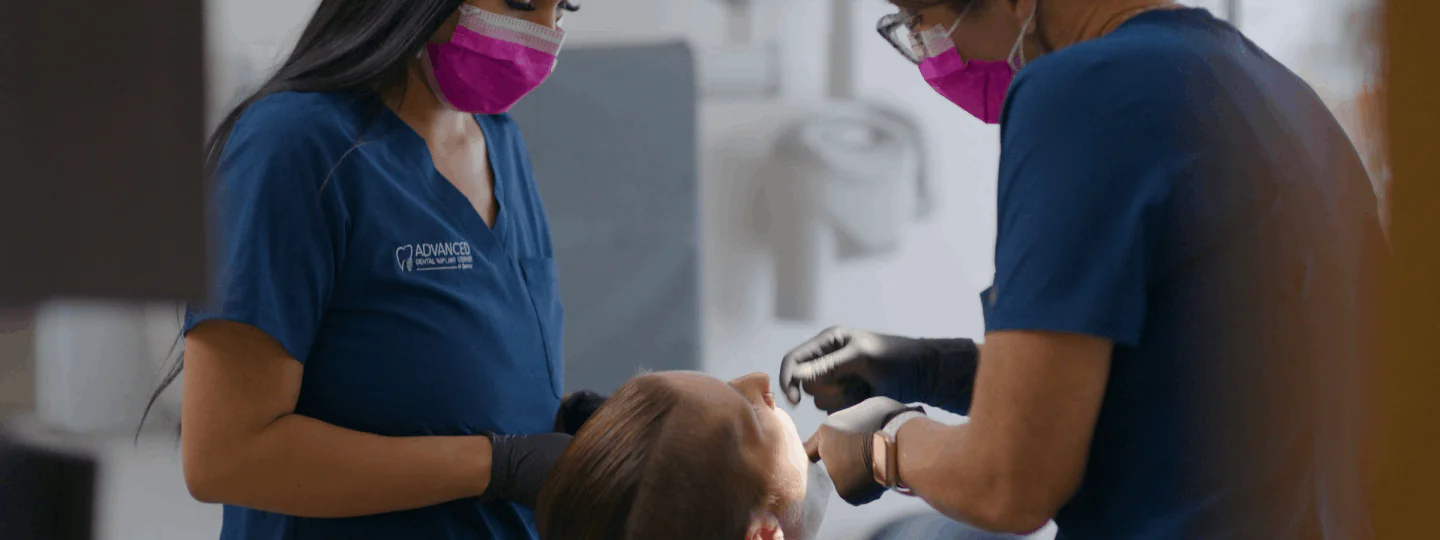



























Dental practices that invest in professional video marketing see measurable increases in appointment bookings, patient trust, and local search visibility. This guide breaks down exactly which video types work, how to produce them efficiently, and how to turn raw footage into polished content that converts new patients—without consuming your staff’s time.
- Why Dental Practices Need Video Marketing Right Now
- The 7 Most Effective Video Types for Dental Practices
- The Dental Video Production Process: From Filming to Publishing
- Where to Distribute Dental Videos for Maximum Patient Reach
- Video Editing Considerations Specific to Dental Content
- Measuring ROI: What Dental Video Performance Actually Looks Like
- DIY Editing vs. Outsourcing: An Honest Comparison for Dental Practices
- Our Verdict: What Dental Practices Should Do Next
- Frequently Asked Questions
Why Dental Practices Need Video Marketing Right Now
The dental industry sits at a fascinating crossroads. On one hand, almost every adult in a given metro area needs a dentist. On the other, dental anxiety is one of the most commonly cited reasons people avoid booking appointments—studies consistently show that between 36% and 40% of the population experiences some level of dental fear. The practices winning new patients in 2026 are not necessarily the ones with the best clinical skills. They are the ones that manage to build trust before a prospect ever sets foot in the waiting room. Video is, by a wide margin, the fastest and most scalable way to accomplish that.
Consider how a new patient typically finds a dentist today. They type “dentist near me” into Google, scan the top results, click a few profiles, and then—critically—start watching whatever video content is available. A Google Business Profile with a 60-second walkthrough video and a warm greeting from the dentist converts at a dramatically higher rate than a static listing with only photos. According to data from BrightLocal, businesses with video content on their Google listing receive 157% more organic search impressions and are twice as likely to appear in the local three-pack for high-intent queries like “dentist accepting new patients.”
The patient journey has also fundamentally shifted. Where people once relied on word-of-mouth from friends and family, they now research practices independently before asking anyone. A patient might watch your YouTube channel, see your Instagram Reels, check your website’s “Meet the Team” video, and read a few Google reviews—all before deciding to book. By the time they call the front desk, they already feel like they know you. That familiarity collapses objections, speeds up the booking process, and increases the likelihood that they actually show up for their first appointment rather than ghosting.
The Trust Gap in Dental Marketing
Dentistry is a high-trust, high-stakes service category. Patients are literally putting sharp metal instruments in their mouths and trusting a relative stranger to make consequential decisions about their health. That is a fundamentally different psychological dynamic than choosing a restaurant or a plumber. Marketing in this environment must do more than generate awareness—it must actively dismantle anxiety and build credibility.
Video is uniquely positioned to close this trust gap because it is the closest thing to an in-person interaction that digital marketing can provide. When a prospective patient watches a 90-second video of Dr. Chen explaining her approach to pain management in a calm, warm tone while the camera pans across a clean, modern operatory, something neurological happens. Mirror neurons activate. The viewer begins to feel that they know this person. The anxiety that comes with calling a new dental office drops significantly because the unknown has been replaced with the familiar.
This is not soft, unmeasurable psychology. Dental practices that invest in consistent video content report average new patient volume increases of 25–45% within six to twelve months, according to surveys conducted by the American Dental Association’s marketing research arm. Practices with active YouTube channels report that video-referred patients have a 30% higher lifetime value than patients who arrived through paid search ads alone, likely because they arrive pre-educated about treatment philosophy and less price-sensitive as a result.
The Competitive Landscape Is Shifting Fast
Five years ago, most dental practices had no video marketing at all. Today, the early adopters in most markets have already built recognizable YouTube presences, established Instagram Reels accounts with tens of thousands of followers, and begun appearing prominently in video search results. The good news is that in most mid-sized markets, the majority of dental practices are still not using video seriously. The window to build a durable competitive advantage with video content is still open—but it is closing. The practices that invest now will be significantly harder to displace three years from now than they are today.
DSOs (dental service organizations) with deep marketing budgets have recognized this and are investing heavily in video at the regional and national level. Independent practices that want to maintain their position against corporate dental chains need a counter-strategy that leverages their greatest advantage: the authentic personal relationship between a dentist and their community. Nothing communicates that advantage more effectively than genuine, well-produced video content featuring real doctors, real patients, and a real sense of place.
The 7 Most Effective Video Types for Dental Practices
Not all dental videos are created equal. Some formats are exceptional at generating initial awareness, while others are designed to close undecided prospects or retain existing patients. Understanding which type of video serves which goal—and where in the funnel it belongs—is the difference between a video library that generates new patients and one that just sits on a server collecting dust.
1. Practice Introduction and Office Tour Videos
The single most important video any dental practice can produce is a well-made practice introduction video. This is typically a 90-second to 3-minute piece that introduces the lead dentist, shows the team, walks through the physical space, and communicates the practice’s philosophy in a warm, approachable way. Think of it as the video equivalent of a first handshake. It belongs on your homepage, your Google Business Profile, and as the pinned video on your YouTube channel.
The production quality of this video matters more than almost anything else in your marketing mix because it functions as a proxy for the quality of your practice overall. A well-lit, professionally edited practice intro signals attention to detail, investment in patient experience, and a certain level of clinical excellence—even before a word has been spoken about procedures or credentials. A shaky, dark video shot on an iPhone with ambient noise from the waiting room signals the opposite. The editing here is critical: smooth transitions, color grading that makes the office look inviting, and clean audio without distracting background noise are the table stakes for a video that actually converts.
2. Patient Testimonial Videos
In an industry where word-of-mouth has always been the primary growth driver, video testimonials are digital word-of-mouth at scale. A 60–90 second video of a real patient explaining that they were terrified of dentists for 15 years before finding your practice, and now come in without any anxiety, is worth more than any amount of professional marketing copy. These videos tap directly into the social proof mechanism that drives human decision-making.
The key to effective dental testimonials is authenticity over production perfection. The patient’s sincerity has to read through the screen. That said, the technical quality still matters: good lighting, clean audio, and thoughtful editing that removes awkward pauses and keeps the narrative tight will make even a naturally reserved patient’s story compelling. The before-and-after structure is particularly powerful for cosmetic dentistry and orthodontics—when a patient holds up their phone to show their old smile and then smiles directly at camera to reveal the result, that is an extremely high-converting moment that no static before/after photo can replicate.
3. Educational “Explainer” Content
Educational videos serve a dual purpose: they rank in YouTube and Google search results for the procedure terms people research when considering treatment, and they position your dentist as a knowledgeable expert. Topics like “What to expect during your first root canal,” “How dental implants work,” “The difference between Invisalign and traditional braces,” and “Why do I need a crown instead of a fillinga” generate consistent search traffic for years after they are published.
The editing for educational content needs to be particularly crisp. Viewers clicking on a video about dental implants are researching a procedure that may cost $3,000–$6,000 out of pocket. They are in serious research mode and they will not tolerate rambling or poor production. Jump cuts, lower thirds with key stats, simple animations showing procedure mechanics, and tight audio editing are all standard in high-performing dental educational content. The videos that rank and convert are typically between 4 and 12 minutes long—comprehensive enough to be genuinely useful, focused enough to not overstay their welcome.
💡 Pro Tip: Target “procedure + city” keywords for your educational videos. A video titled “How Dental Implants Work | [Your City] Implant Dentist” will rank far more quickly than generic procedure content competing against dental schools and national chains. Local SEO and video SEO compound each other when done correctly.
4. Short-Form Social Content (Reels, TikToks, Shorts)
Short-form video (15–60 seconds) has become the primary discovery mechanism across all social platforms. Instagram Reels and TikTok in particular push content to non-followers algorithmically, meaning a single piece of well-edited short-form content can reach thousands of people in your local area who have never heard of your practice. Dental content performs extremely well in the short-form environment because dental transformations are visually dramatic and immediately understandable—no context required.
Trending formats include time-lapse teeth whitening reveals, “a day in the dental office” POV content, myth-busting quick takes (“You don’t actually need to see a dentist twice a year—here’s the truth”), and surprisingly popular content about the science and technology behind modern dentistry. The editing for short-form content is highly technical: hook in the first 0.5–1 second, captions throughout (85% of social videos are watched without sound), dynamic cuts every 2–4 seconds, and vertical formatting (9:16 aspect ratio) are all non-negotiable for content that performs.
5. Meet the Team Videos
Individual 30–60 second videos featuring each dentist and key staff members dramatically humanize your practice. When a nervous patient can watch a 45-second video of your dental hygienist laughing and talking about her love of horses and how she tries to make every patient feel at home, that patient is going to arrive for their cleaning in a fundamentally different emotional state than a patient who has never seen a human face associated with the practice. These videos require minimal filming time but have outsized impact on conversion rates from website visitors to booked appointments.
6. Before-and-After Transformation Videos
For cosmetic procedures—veneers, full smile makeovers, Invisalign, teeth whitening—before-and-after video content is almost unfairly effective. The contrast of seeing a real patient’s smile transformation, combined with hearing their emotional story about how it changed their confidence, creates extremely high engagement and a predictable pipeline of cosmetic inquiries. This category of video regularly generates the highest return on investment of any dental video type when targeting elective, high-revenue procedures.
7. FAQ and “Myth vs. Fact” Videos
Short, direct videos that address the questions your front desk answers forty times per week are both practically useful and excellent for SEO. “Does teeth whitening hurta” “Can I eat before my dental appointmenta” “How long does a root canal actually takea” These are high-volume search queries that represent people who are actively considering treatment but have an unanswered objection. A 60–90 second video answering these questions concisely builds authority, reduces pre-appointment friction, and keeps people on your website longer—all of which Google rewards with higher search rankings.
The Dental Video Production Process: From Filming to Publishing
Understanding the production workflow helps dental practices plan their video investment intelligently—knowing where to spend money, where to save it, and where the professional expertise genuinely makes a difference in output quality. The production process for dental video content typically unfolds across four distinct phases.
Pre-Production: Planning That Saves Time and Money
The biggest mistake dental practices make when starting their video marketing is picking up a camera with no plan. Without a clear content calendar, defined talking points, and a shot list, filming sessions run long, footage is unusable, and the resulting videos lack the narrative coherence that makes them effective. Good pre-production for a dental practice video project begins with a content strategy session: what are the top 10 questions new patients ask What procedures generate the highest revenue What do existing patients love about the practice The answers to these questions become the foundation of a 90-day content calendar.
Batch filming is a practical game-changer for busy practices. Rather than interrupting clinical operations every time you need a new video, the approach that works best is to dedicate one half-day per quarter to filming. In a single four-hour session with the right preparation, a dental practice can capture enough raw footage for 15–20 individual videos. This footage then gets passed to a professional editing team that produces finished content on a rolling weekly basis, creating the perception of consistent publishing without constant disruption to practice operations.
Production: What to Film and How
Production quality for dental video does not require a Hollywood budget, but it does require intentional execution in three areas: lighting, audio, and framing. Dental offices often have harsh fluorescent lighting that makes everyone look pale and uninviting on camera—a simple pair of portable LED panels transforms the same space into something warm and professional. Audio is arguably even more critical than video quality; viewers will accept slightly imperfect visuals but will click away from poor audio within the first ten seconds. A $150 lapel microphone will do more for the perceived quality of your videos than a $2,000 camera upgrade.
For the dentists doing the filming themselves, a simple phone on a stabilized tripod with a ring light and a clip-on mic is genuinely sufficient for social content. For practice intro videos, testimonials, and the flagship educational content that lives on your website, hiring a videographer for a single half-day shoot is worth the investment. The footage captured in that session can be edited and deployed across multiple video types over the following months.
Post-Production: Where Good Videos Become Great
Post-production—video editing—is where the transformation happens. Raw dental footage, even when filmed well, rarely communicates the intended message without skilled editing. A rambling 8-minute talking-head video becomes a focused, punchy 3-minute piece when an experienced editor removes the hesitations, restructures the narrative flow, adds lower thirds with the dentist’s credentials, incorporates B-roll footage of the office and equipment, and applies a color grade that matches the practice’s brand aesthetic. This is not cosmetic improvement—it is the difference between a video that holds attention and one that doesn’t.
Caption integration has become non-negotiable for all dental video content. Platform data from Meta and YouTube consistently shows that captions increase watch completion rates by 12–20%, and for dental content in particular—where patients may be searching in a waiting room or public space—having captions means your message lands even without sound. Motion graphics, lower thirds with procedure pricing for cosmetic content, and animated transitions between sections all contribute to the polished feel that signals professionalism and builds patient trust.
💡 Pro Tip: When you send raw footage to a video editing team, include a one-page brief for each video: the target platform (YouTube vs. Instagram vs. website), the intended audience (existing patients vs. new patient prospects), the primary call to action (“book a consultation”), and any brand guidelines (colors, fonts, tone). A well-briefed editor produces better results in fewer revision rounds, saving both time and money.
Where to Distribute Dental Videos for Maximum Patient Reach
Producing great video is only half the equation. Distribution strategy determines whether your content reaches potential patients or sits unwatched. The good news is that a single well-produced video can be repurposed across six or more platforms with relatively minor adaptation, multiplying the return on your production investment.
YouTube: The Long-Game SEO Platform
YouTube is the second-largest search engine in the world and a critical channel for dental practices targeting patients who are actively researching procedures. A video titled “How Painful Is a Root Canal Honest Answer From a Dentist” that ranks on page one of YouTube search results generates qualified, high-intent traffic every single month—for years—without any ongoing advertising spend. The investment in producing and optimizing that video pays dividends long after most paid marketing campaigns have expired.
YouTube optimization for dental content includes keyword-rich titles and descriptions, custom thumbnails with high contrast and readable text, end screens with links to related videos, and playlists organized by treatment category. Consistent posting cadence—even once every two weeks—compounds over time as the algorithm begins recommending your content to viewers watching related dental videos.
Instagram and TikTok: Discovery and Awareness
Short-form platforms are unparalleled for local awareness. Unlike Google or YouTube, which require active search intent, Instagram Reels and TikTok push content to users who have never expressed interest in dentistry but fit your demographic and geographic profile. This top-of-funnel reach is particularly valuable for elective procedures—cosmetic dentistry, teeth whitening, clear aligners—where the patient doesn’t necessarily know they want the procedure until they see a compelling transformation video. A single viral Reel showing a dramatic smile makeover can generate dozens of consultation inquiries in a single week.
Your Practice Website
Video on your website serves a different function than video on social platforms—it converts visitors who are already warm. Embedding a practice introduction video on your homepage can increase the time visitors spend on that page by 2–3 minutes on average, which reduces bounce rate and sends positive engagement signals to Google’s search algorithm. Service pages featuring procedure explainer videos consistently show higher conversion rates to appointment requests than text-only pages—in some practices, the improvement is as dramatic as 80% higher on-page conversion. Video in email newsletters also consistently outperforms static images and text-only communications for both open rates and click-throughs.
Video Editing Considerations Specific to Dental Content
Dental video editing is not generic video editing. There are specific technical and strategic considerations that distinguish a great dental video editor from someone who simply knows how to use Premiere Pro. Practices that outsource their editing to generalist freelancers without dental content experience often end up with technically proficient work that fails to perform because it misses the nuance of the category.
HIPAA Compliance and Patient Privacy
Any video featuring recognizable patients requires explicit, documented written consent. Reputable video editors working in the dental space understand that they should never use identifiable patient footage without confirmation that consent forms have been signed and retained. A good consent workflow includes a standard video release form signed before filming, specifying which platforms the footage may appear on. Blurring identifiable features of patients who appear incidentally in background footage of waiting rooms or operatories is standard practice for HIPAA compliance.
When working with an external editing team, the footage you transmit may contain PHI (Protected Health Information) if patients are visible or identifiable. This means the editing service relationship should ideally be covered by a Business Associate Agreement (BAA). This is a detail that practices frequently overlook until a compliance audit surfaces it. At Increditors, we work within frameworks that support this kind of structured compliance workflow, and we encourage practices to raise this point with any editing vendor before sharing footage.
Anxiety Reduction Through Editing Choices
Every editing decision in a dental video should be evaluated through the lens of patient anxiety. Close-up shots of needles, blood, or drilling instruments—even when used clinically—should generally be avoided or handled with extreme care in patient-facing marketing content. The color grade, music selection, and pacing of a dental video all communicate emotional tone. Warm, desaturated color grades feel calm and trustworthy. Upbeat, driving background music feels energetic but may inadvertently heighten anxiety. Slow, deliberate pacing with smooth transitions creates a sense of control and safety.
The best dental video editors understand this psychology and apply it throughout the editing process. They will use B-roll of smiling patients in post-treatment comfort rather than mid-procedure close-ups. They will pair the dentist’s words about pain management with footage of a patient looking relaxed in the chair, not footage of the syringe. These choices seem subtle but they have measurable impact on how anxious patients respond to the content.
Branding Consistency Across All Video Content
A dental practice’s video library should feel cohesive. Consistent use of brand colors in lower thirds and title cards, a recognizable intro/outro sequence, a consistent font family for captions, and a consistent musical style across all videos creates a recognizable brand identity that compounds over time. When a patient encounters your content for the third time—whether on YouTube, Instagram, or your website—the consistency signals stability and professionalism. This is a detailed workflow management issue that requires either a disciplined internal system or an external editing partner who maintains your brand style guide across all projects.
This is one of the areas where working with a dedicated video editing partner like Increditors creates significant leverage. Rather than briefing a new freelancer on your brand identity every time a new project starts, a consistent editing relationship means your brand guidelines are established once and applied systematically across every piece of content going forward. The visual consistency compounds into a brand equity asset over months and years of publishing.
Measuring ROI: What Dental Video Performance Actually Looks Like
Return on investment for dental video marketing is measurable, but it requires setting up tracking correctly from the start. The most common mistake practices make is investing in video production without establishing a baseline to measure improvement against, then being unable to attribute patient growth to their video efforts six months later.
Key Metrics to Track
The primary metrics for dental video ROI fall into three categories: engagement metrics (views, watch time, completion rate), traffic metrics (website sessions from video referrals, Google Business Profile views), and conversion metrics (appointment booking requests, new patient call volume). Of these, conversion metrics are obviously the most important, but engagement and traffic metrics are the leading indicators that tell you whether a video strategy is working before the appointment bookings arrive in volume.
Average completion rate is a particularly useful metric for dental video. If viewers are watching 80%+ of a 3-minute educational video, that indicates the content is genuinely engaging and holds attention through to the call to action at the end. If completion rate drops below 40%, it signals that the video is losing people early—usually due to a weak hook, poor pacing, or the content not delivering on what the title promised. These are all editorial problems that a skilled editing team can diagnose and correct in future content.
The 6-Month Video ROI Model for Dental Practices
A realistic ROI projection for a dental practice investing $800–$1,500/month in professional video editing services looks something like this: the first month is largely setup—establishing brand guidelines, editing the practice intro video and first few social clips. Month two sees initial organic distribution. By month three, early educational videos begin ranking on YouTube. By month six, a practice with consistent publishing (eight to twelve short-form pieces plus two to four long-form pieces per month) typically sees a 15–25% increase in new patient consultation requests that can be attributed to video-driven touchpoints in the patient acquisition journey.
Given that the average dental patient lifetime value is $3,000–$8,000 depending on treatment case mix, acquiring even five to ten additional new patients per month through video represents a $15,000–$80,000 monthly return on a $1,500 investment. The math is compelling. The caveat is that the video content has to be genuinely good—well edited, well distributed, and consistent. Mediocre video produced irregularly will not generate these returns. Quality and consistency are both non-negotiable variables in the equation.
DIY Editing vs. Outsourcing: An Honest Comparison for Dental Practices
We get this question constantly from dental practices that are just starting their video marketing journey: should we edit our own videos in-house, hire a local freelancer, or work with a dedicated video editing service The answer depends on your goals, budget, and—most importantly—how you value your time and the time of your clinical team.
The True Cost of DIY Video Editing
Many practice owners underestimate the time cost of video editing because they have not done it themselves. A single 3-minute talking-head video with captions, lower thirds, B-roll cutaways, color correction, and audio cleanup takes an experienced editor 2–4 hours to produce. An inexperienced person doing the same work takes 6–10 hours and produces a lower-quality result. If a dentist’s time is worth $350/hour in the chair (a conservative estimate), spending 8 hours editing a video has an opportunity cost of $2,800. That is not a rational use of resources.
Even if editing is delegated to a front desk team member or office manager, the opportunity cost problem persists. Your practice coordinator spending 10 hours per week on video editing is 10 hours they are not spending on patient communications, recall management, and insurance follow-up—activities that directly protect revenue. Video editing is a specialized skill that benefits from dedicated expertise and the accumulated pattern recognition that comes from editing hundreds of videos. It is generally not a good use of generalist staff time.
When to Hire a Dedicated Video Editing Service
The tipping point for outsourcing to a dedicated editing service like Increditors is typically when a practice commits to publishing more than four videos per month. At that volume, the inconsistency of the DIY approach becomes a real bottleneck, and the per-project cost of freelancers exceeds a monthly retainer. More importantly, at that publishing frequency, brand consistency and strategic coherence across the video library become genuinely important—and those are delivered most effectively through an ongoing editing relationship rather than a series of one-off projects.
What dental practices that come to us most often describe is this: they started editing videos themselves or with a freelancer, got some traction, realized they needed to scale up their output to maintain momentum, and hit a wall. The internal bandwidth was not there. Scaling up with multiple freelancers created consistency problems. A structured editing partnership solved both issues simultaneously, and the investment paid for itself within the first two to three months of consistent, professional output.
Our Verdict: What Dental Practices Should Do Next
If you are a dental practice owner or marketing manager reading this, the strategic conclusion is straightforward: video is the highest-leverage marketing investment available to you right now, the competitive window to establish a differentiated presence is still open in most markets, and the ROI is measurable and compelling given the lifetime value of a dental patient. The question is not whether to do video—it is how to do it sustainably and at a quality level that actually moves the needle.
Our recommendation for practices just starting out is to begin with a single flagship practice introduction video, produced and edited to the highest possible quality. Invest in a half-day filming session with a local videographer and send the footage to a professional editing team. Get that video on your homepage and Google Business Profile before anything else. Measure the impact over 60 days. You will see a difference in website engagement and contact form submissions that will give you the confidence and data to justify expanding the investment.
For practices that are already producing some video but struggling with consistency, quality, or volume, the answer is almost always to establish a structured editing workflow with a dedicated partner. Batch filming once per quarter, systematic editing on a weekly delivery schedule, and a persistent brand library creates a content engine that runs largely on autopilot. It is the difference between scrambling to produce one video when inspiration strikes and having a pipeline of polished, on-brand content ready to publish every week.
The dental practices that will dominate their local markets in 2028 are building their video libraries right now. They are showing up in YouTube search results, on Instagram feeds, and on Google Business Profiles with consistent, professional, trust-building content. Their prospective patients arrive for first appointments already feeling like they know the dentist. Their new patient conversion rates are higher, their acquisition costs are lower, and their patient relationships are deeper and more durable. That is the compound return on a disciplined video marketing investment—and it is available to any practice willing to commit to it.
Frequently Asked Questions
How much does professional dental video editing cost per montha
The range depends heavily on output volume and complexity. For a dental practice publishing 8–12 videos per month across a mix of short-form social content and longer YouTube/website videos, professional editing services typically range from $800 to $2,000 per month on a retainer basis. This includes revisions, caption integration, platform-optimized formatting, and brand consistency management. Per-project pricing for individual videos ranges from $150 to $600 depending on length and complexity. Most practices find that a monthly retainer becomes cost-effective at four or more videos per month when compared to the per-project freelance equivalent.
Do I need to hire a videographer, or can I shoot on my phonea
For short-form social content (Reels, TikToks, YouTube Shorts), a modern smartphone with a quality clip-on microphone and basic ring light is entirely adequate. For flagship content like your practice introduction video, staff bios, and high-value patient testimonials that will live permanently on your website and Google Business Profile, a half-day shoot with a local videographer ($400–$800 in most markets) is worth the investment. The key insight is that professional editing can significantly improve the perceived quality of smartphone footage—but it cannot compensate for unusable audio or fundamentally poor framing. A clip-on mic and basic lighting setup is the minimum viable production investment regardless of whether you hire a videographer for filming.
How long does it take to see results from dental video marketinga
Results manifest on different timescales depending on the channel. Your Google Business Profile and website will show improved engagement metrics within the first 30 days of adding video content. Social media reach and follower growth typically builds over 60–90 days of consistent publishing. YouTube SEO for competitive procedure terms takes 3–9 months to gain meaningful traction. The most measurable direct impact on appointment bookings—particularly from video testimonials and practice introduction videos on your website—typically becomes trackable within 6–8 weeks. The compound effect builds significantly over the 6–18 month horizon, with practices that maintain consistent quality and publishing frequency seeing the most dramatic long-term results.
What HIPAA considerations apply to dental video marketinga
Any video featuring an identifiable patient requires a signed written video release form specifying which platforms the footage will be used on and for how long. Footage should never include clinically sensitive information that would constitute PHI (Protected Health Information). If you are sending footage to an external editing vendor that contains any identifiable patient content, you should confirm that the relationship is covered under a Business Associate Agreement (BAA) as required under HIPAA’s business associate provisions. Consult with a healthcare compliance attorney in your state for specific guidance, as requirements can vary. As a practical matter, most dental practice testimonials and procedure videos are straightforward to produce in a HIPAA-compliant manner with standard release forms and careful footage review before transmission.
Which video type should a dental practice start with if it has never done video marketing beforea
Start with a practice introduction video. It is the single highest-impact piece of content for converting website visitors and improving your Google Business Profile click-through rate. A well-produced 90-second to 2-minute practice intro that introduces the dentist, shows the team, briefly tours the space, and communicates the practice’s values will immediately improve conversion rates across every channel where new patients encounter your practice. Once that flagship video is in place and you can see its impact, expand into patient testimonials and educational content for YouTube. Build the library systematically from highest-impact to supporting content, rather than trying to do everything at once and delivering inconsistent results.
Ready for Video That Actually Convertsa
Tell us about your project and we will put together a custom plan.