








![3D Explainer Video - ScribbleLive.mp4_snapshot_00.12_[2022.03.09_03.14.16]](https://increditors.com/wp-content/uploads/elementor/thumbs/3D-Explainer-Video-ScribbleLive.mp4_snapshot_00.12_2022.03.09_03.14.16-r7wb53mx72rxst3qcqyrfxdmeyzb5r9jbl0wbjujh4.png "3D Explainer Video – ScribbleLive.mp4_snapshot_00.12_[2022.03.09_03.14.16]")

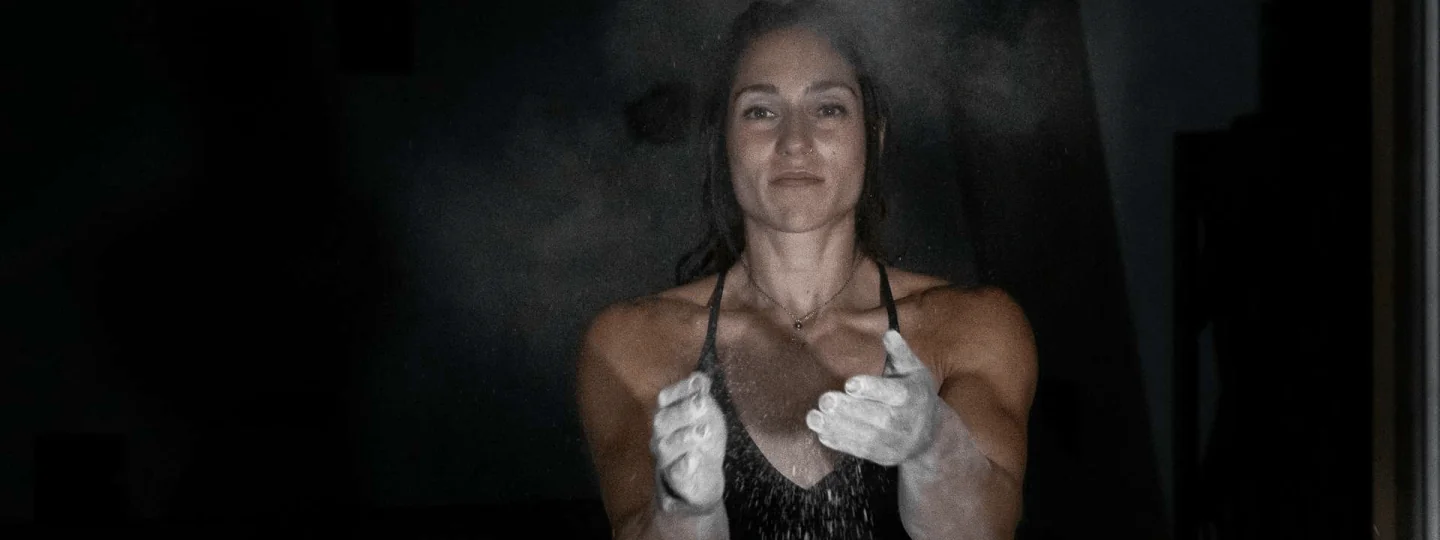





















Founder-led LinkedIn video is the single highest-ROI personal branding move available in 2026. Organic video reach on LinkedIn is 3–5× higher than text posts, and founders who publish consistently for 90 days see measurable pipeline impact. This guide covers every format, production decision, algorithm insight, and distribution tactic you need to build genuine authority—without hiring a full studio or spending hours on post-production every week.
- Why LinkedIn Video Is the Founder’s Best Branding Asset in 2026
- The LinkedIn Video Algorithm Decoded
- The Six Founder Video Formats That Actually Work
- Production Stack: From Smartphone to Studio-Grade
- Scripting and On-Camera Delivery for Founders
- Distribution Strategy: Getting Your Video in Front of Buyers
- Metrics That Matter: Measuring Personal Brand ROI
- Common Founder Video Mistakes (and How to Fix Them)
- FAQ
- Verdict
Why LinkedIn Video Is the Founder’s Best Branding Asset in 2026
LinkedIn crossed 1.1 billion members in early 2025, and by the time 2026 arrived the platform had quietly become the dominant arena where B2B purchasing decisions are shaped before a single sales call ever happens. Buyers research founders, CEOs, and department heads the same way consumers research products: they scroll, watch, and form opinions based on what they see. If you are a founder and you are not producing video content on LinkedIn, you are invisible to a meaningful segment of your potential customer base—even if your website is excellent and your case studies are compelling.
The numbers are difficult to ignore. LinkedIn’s internal data, shared at their 2025 B2B Marketing Summit, showed that native video posts receive an average of 3.6× more impressions than text-only posts and 2.4× more comments than image posts. More importantly, video content drives dwell time—the metric LinkedIn’s algorithm weights most heavily—at a rate that no other format can match. When a decision-maker watches 45 seconds of a founder explaining their philosophy on talent retention, that interaction creates a neural association between the founder’s face and the company’s credibility that a 200-word LinkedIn post simply cannot replicate.
There is also a supply-demand imbalance that makes 2026 an especially strategic time to invest in founder video. Despite the clear algorithmic advantage, fewer than 4% of LinkedIn members publish video content regularly. On a platform of over a billion users, that scarcity means the competition for organic video real estate is remarkably low compared to every other social channel. The founders who establish a consistent video presence now are capturing mindshare and building algorithm equity that will compound for years.
The Trust Economy and Why Founders Have an Unfair Advantage
Personal brand authority in B2B contexts is fundamentally about trust compression. Your buyer has limited time, high stakes, and a market saturated with vendors making similar claims. What collapses the trust-building timeline is seeing and hearing a real person speak candidly about ideas they genuinely believe in. Founders have a structural advantage here that no marketing department can manufacture: authentic conviction. When you built the company, made the hard calls, and lived the outcomes, that experience radiates through video in a way that polished brand content never can.
Edelman’s 2025 B2B Thought Leadership Impact Study found that 65% of senior B2B buyers said thought leadership content from a company leader directly influenced their purchasing decision, and 54% said they were willing to pay a premium price to a company whose founder they followed and respected on social media. These are not vanity metrics—they translate to shorter sales cycles, higher close rates, and stronger customer retention because buyers who feel they know the founder arrive with pre-built trust.
The Compounding Effect of Consistent Publishing
LinkedIn’s algorithm rewards consistency more than virality. A founder who publishes two to three videos per week for 90 consecutive days will accumulate algorithmic equity—a growing pool of engaged followers, topic authority signals, and connection graph data—that individual viral posts cannot replicate. Internal data from creators tracked by LinkedIn’s Creator Accelerator program shows that accounts publishing video consistently for 90+ days see a median 4.2× increase in profile views and a 2.8× increase in inbound connection requests from target-audience profiles. The flywheel effect is real, and it starts with showing up before you feel ready.
💡 Pro Tip: Don’t wait until your production setup is “good enough.” LinkedIn’s data shows that authenticity signals—direct eye contact, real environments, genuine pauses—correlate more strongly with engagement than production polish. Post your first video this week, then improve iteratively.
The LinkedIn Video Algorithm Decoded
Understanding how LinkedIn’s algorithm evaluates and distributes video content is the difference between publishing into a void and building a compounding audience. LinkedIn’s feed algorithm operates on a three-stage filtration system: an automated quality check, a small-audience relevance test, and then broader distribution based on engagement velocity.
Stage One: The Quality Filter
Within seconds of publishing, LinkedIn’s automated systems evaluate your video against a set of quality signals. These include video resolution (1080p or higher is strongly preferred), file format compliance (MP4 with H.264 encoding performs best), the presence of closed captions, and whether the post copy accompanying the video contains relevant professional keywords. Spam signals—excessive hashtag use above five tags, links in the first comment that appear promotional, or posting identical content within a short window—will cause the algorithm to suppress distribution before any human ever sees it.
Captions deserve special emphasis. LinkedIn data consistently shows that captioned videos receive 70% more engagement on average. This is partly accessibility—a significant portion of LinkedIn browsing happens in sound-off environments like offices and commutes—and partly an algorithmic signal that the creator has invested effort in the content. Uploading an SRT file rather than using auto-generated captions also gives you control over accuracy and formatting.
Stage Two: The Relevance Test
After passing the quality filter, your video is shown to a test cohort—typically 100 to 500 of your first-degree connections who LinkedIn’s system identifies as likely to be interested based on prior engagement patterns. The algorithm measures three responses during this phase: video completion rate (what percentage of viewers watched past the 50% mark), comment engagement (did people leave substantive comments rather than single-word reactions), and reshare rate (did anyone send it to their network). If your video passes these benchmarks—generally a completion rate above 35% and comment-to-view ratio above 0.5%—it earns broader distribution.
Stage Three: Broad Distribution and Topic Authority
Videos that clear Stage Two are pushed to second and third-degree connections and to topic-based feed sections. LinkedIn’s 2025 algorithm update introduced “Creator Topic Scores”—an internal metric that evaluates how consistently a creator publishes on related subjects over time. Founders who consistently publish about, say, SaaS growth, remote team culture, or product design accumulate higher topic scores, which means their new videos receive faster and broader distribution from the moment of publishing. Consistency of subject matter compounds into algorithmic authority in the same way that consistent publishing frequency does.
The Six Founder Video Formats That Actually Work
Not all video content performs equally on LinkedIn, and what works for a consumer influencer often falls flat in a professional context. After analyzing performance data across hundreds of founder accounts in B2B verticals, six formats consistently outperform everything else. Each serves a different audience intent and should be rotated strategically across your content calendar.
1. The Founder POV Take (60–90 Seconds)
This is the workhorse format. A direct-to-camera video where you share a clear, contrarian, or data-backed opinion on something happening in your industry. The formula is simple: open with a bold statement, support it with one or two specific pieces of evidence or personal experience, then close with a question or call to discussion. These videos perform exceptionally well because they signal confidence and conviction—qualities buyers want in the companies they work with. The 60–90 second window is optimal because it clears the completion rate threshold while remaining consumable in a single sitting.
2. Behind the Build (2–4 Minutes)
Transparency content—showing the actual work of building a company—generates outsized engagement because it is inherently authentic. This format involves documenting a real decision, challenge, or milestone: a difficult hire, a product pivot, a customer conversation that changed your roadmap, or the weekly founder ritual that keeps the team aligned. Behind the Build videos consistently attract two audiences: potential customers who want to understand what kind of partner you are, and potential employees or collaborators who are evaluating whether they want to work with you. Both outcomes have direct business value.
3. The Micro-Masterclass (3–5 Minutes)
Demonstrate expertise by teaching a specific, actionable skill or framework in five minutes or less. The key is specificity: not “how to build a great team” but “the three interview questions I use to screen for intellectual honesty.” Not “how to think about pricing” but “the pricing mistake we made in year one that cost us 40% gross margin.” Specificity is credibility. These videos tend to have the highest save rates on LinkedIn—a signal that viewers intend to revisit the content—and saves are a strong positive signal to the algorithm.
4. The Customer Story Spotlight (90 Seconds–3 Minutes)
Rather than a traditional case study, this format involves the founder narrating the customer’s journey from their own perspective: “We had a call with a client who came to us with a specific problem. Here’s what we found when we dug in, and here’s what actually solved it.” This format builds credibility without requiring your customer to appear on camera, protects confidentiality, and positions you as a skilled problem-solver rather than a salesperson. It is the softest-selling, highest-converting format in the B2B video toolkit.
5. The Reaction and Commentary Video (60–120 Seconds)
React to a piece of industry news, a study, a competitor announcement, or a trending LinkedIn post. Your reaction is the content. This format has a distribution advantage because it hooks into existing conversation momentum—the algorithm already has context about the trending topic and will connect your video to people already engaging with related content. The formula: “Here’s what everyone is saying about X. Here’s what I actually think, and here’s why it matters for your specific audience.”
6. The Raw Q&A or AMA Clip (2–5 Minutes)
Answer a single question from your community in depth. These can be pulled from comment threads, DMs, or questions submitted via your newsletter. The intimacy of “I saw someone ask this last week and I wanted to give you a real answer” builds parasocial connection at a pace that polished branded content cannot achieve. It also signals that you are accessible and responsive—a trait that directly influences whether someone will reach out about a business relationship.
💡 Pro Tip: Rotate across all six formats on a monthly basis. A content calendar that uses only one or two formats will hit audience fatigue within 60 days. Variety signals creative health to both your audience and the algorithm.
Production Stack: From Smartphone to Studio-Grade
One of the most common reasons founders delay starting their LinkedIn video presence is the perceived complexity of production. The reality is that you can produce entirely adequate content with a recent smartphone and a $50 ring light, and you can progressively upgrade your setup as your audience grows. What follows is a tiered production framework that meets you where you are.
Tier 1: The Minimum Viable Studio
You need three things: a smartphone with a 4K rear camera (any flagship from the past three years qualifies), a clip-on lavalier microphone that connects via USB-C or the headphone jack (the DJI Mic Mini at $49 is the current best-in-class for this price point), and a consistent background. The background matters more than most founders realize. A clean wall, a bookshelf with intentional curation, or a blurred background from portrait mode all outperform visually chaotic home office shots. Consistent backgrounds become part of your visual brand identity over time—viewers begin to associate that visual signature with your content before they even press play.
Tier 2: The Professional Upgrade
Once you are publishing consistently for 30+ days and have validated that the content resonates, a modest upgrade dramatically improves viewer retention and perceived authority. A Sony ZV-E10 II mirrorless camera ($550) or a Logitech Brio 4K webcam ($180) elevates visual quality beyond what smartphones can achieve at a desk setup. A Rode Wireless GO II ($299) replaces the clip-on lavalier with broadcast-quality wireless audio. And a key light—the Elgato Key Light at $200 is the standard recommendation—eliminates the unflattering shadows and skin-tone distortion that sink otherwise good videos. Total investment: under $700, amortized across years of content.
Tier 3: The Brand Studio
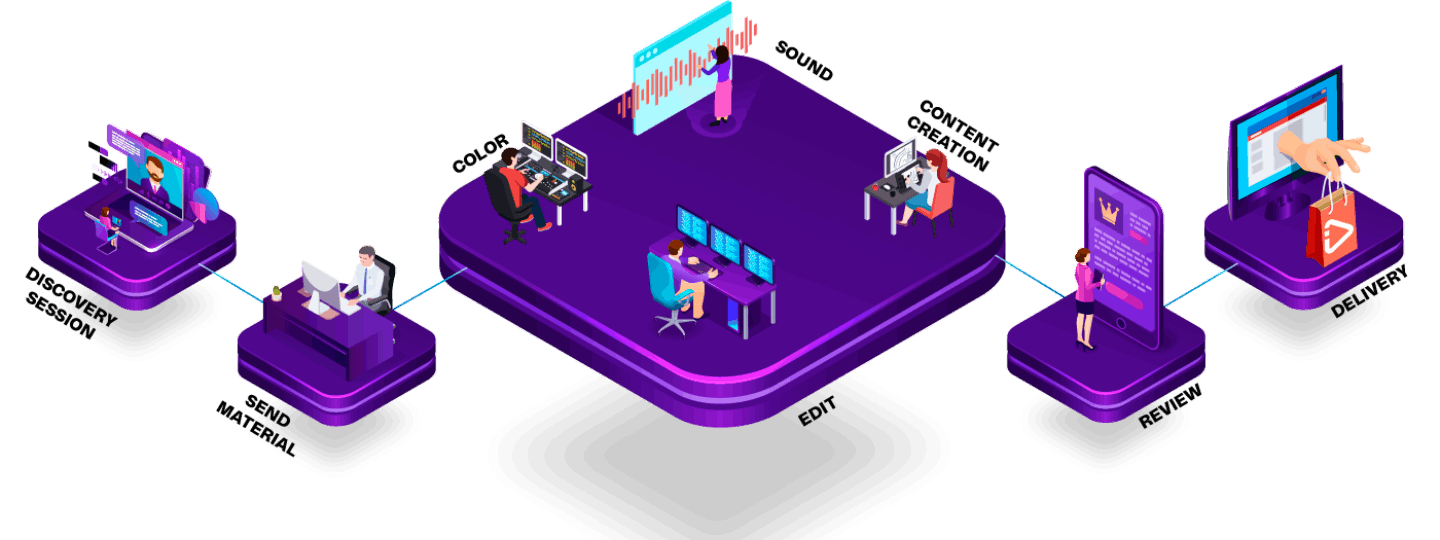
For founders whose video content has become a core business development channel—generating inbound leads, attracting press, or supporting a significant personal brand business—a proper studio setup delivers a competitive visual advantage. This includes a Sony FX30 APS-C cinema camera ($1,700), a prime lens optimized for talking-head depth of field (the Sigma 30mm f/1.4 at $340), a three-point lighting setup, acoustic treatment panels, and a professional teleprompter. At this level, you are also working with a professional video editing service to handle post-production—color grading, sound design, caption styling, and B-roll integration—so your time stays focused on ideation and delivery.
Scripting and On-Camera Delivery for Founders
The biggest delivery mistake founders make is treating LinkedIn video like a slide presentation: they over-script, over-explain, and speak in the polished corporate register that drains personality and relatability from every word. The goal is structured spontaneity—you know exactly where you are going, but the journey feels natural and conversational.
The Three-Point Outline Method
Rather than writing a word-for-word script, outline your video with three structural elements: the hook (one sentence that states the core idea or tension), the body (two to three supporting points or stories), and the close (one action or question). Tape this outline to the edge of your monitor so you can glance at it without breaking eye contact significantly. Within those three beats, speak freely. Your natural speech patterns—the pauses, the self-corrections, the moments of visible thinking—are engagement signals that a scripted delivery cannot replicate.
Hook Architecture: The First Three Seconds
LinkedIn’s scroll speed means that your first three seconds are the only three seconds that matter for audience capture. The worst opening is the most common one: “Hey everyone, so I wanted to talk today about…” This pattern has become so ubiquitous that viewers have trained themselves to scroll past it reflexively. Effective hooks start in the middle of the thought: “We fired our best engineer last year. Here is what we learned.” Or: “95% of founders get their LinkedIn strategy backwards. Here is the data.” Or: “I just came out of the worst board meeting of my life. Here is what happened.” Tension, specificity, and emotional stakes are the three ingredients of a scroll-stopping hook.
On-Camera Presence: Practical Techniques
Eye contact with the lens—not the screen—is the most impactful presence technique available. Place a small sticky-note arrow pointing at your camera lens so you remember where to direct your gaze. Speak at 10–15% faster than your comfortable conversational pace; video slightly compresses energy, and what feels energetic while recording often plays as calm and authoritative on screen. Use hand gestures that stay within the frame—they add visual dynamism and signal engagement without becoming distracting. And record multiple takes without reviewing between them; perfectionism in the recording phase is the enemy of consistency in the publishing phase.
💡 Pro Tip: Record three takes of every video without reviewing any of them, then watch all three back-to-back and choose the best one. This breaks the perfectionism loop that causes founders to spend three hours recording a 90-second video.
Distribution Strategy: Getting Your Video in Front of Buyers
Publishing a great video is necessary but not sufficient. Distribution—the deliberate effort to amplify reach beyond organic algorithm exposure—is what separates founders who grow audiences quickly from those who publish consistently without traction. A complete distribution strategy has five components.
The 60-Minute Engagement Window
LinkedIn’s algorithm measures engagement velocity in the first 60 minutes after publishing. If your post accumulates comments, reactions, and shares quickly, it signals to the system that the content is highly relevant and earns accelerated distribution. This means two things: first, you must be available to respond to comments in that first hour; second, you should notify your team, business partners, and engaged community members about new posts so they can engage early. A simple Slack message sent to five to ten people who would genuinely find the content interesting can prime the algorithmic pump effectively.
Cross-Channel Amplification
Each LinkedIn video should be repurposed across at least two additional channels. The LinkedIn video becomes a YouTube Short or full YouTube upload. The transcript becomes a newsletter section. The core idea becomes a Twitter/X thread. A key statistic from the video becomes an Instagram graphic. This is not about spreading yourself thin—it is about capturing attention from people who are on different platforms at different moments in their day, and routing them back toward your LinkedIn presence where the trust-building compounding effect is strongest.
Strategic Tagging and Mentions
When you reference a person, research study, company, or event in your video, tag the relevant entity in your post copy. This routes the notification to their account and creates a legitimate hook for them to engage with and reshare your content. The key is relevance—gratuitous tagging of high-profile names you have no relationship with looks spammy and is likely to be ignored. Tagging the author of a study you cite, the collaborator you mention by name, or the customer whose challenge inspired the video is genuine and often reciprocated.
LinkedIn Newsletter Integration
LinkedIn’s newsletter feature sends push notifications to all your followers when you publish a new issue—a distribution advantage that no other LinkedIn content type has. Founders who publish a bi-weekly newsletter that embeds or references their recent videos create a compounding notification loop: each newsletter issue drives fresh views on videos published in the prior two weeks, extending their algorithmic life. The newsletter also gives you a structured reason to reach out to your connection list, invite subscriptions, and build a direct relationship that is not subject to feed algorithm fluctuations.
Paid Amplification: When to Use LinkedIn Ads
LinkedIn’s Thought Leader Ads allow you to promote an organic post from a personal profile—meaning a real person’s post, not a company page ad. This is one of the most powerful and underused tools in the B2B marketing arsenal. A video that has already demonstrated organic engagement (strong completion rate and comment velocity) can be amplified via Thought Leader Ads at $15–40 CPM to a precisely targeted audience by job title, seniority, company size, and industry. The advantage over cold-audience company page ads is trust: viewers see a real person’s post in their feed, not a corporate advertisement, which dramatically reduces the psychological resistance to engagement.
Metrics That Matter: Measuring Personal Brand ROI
The most common failure mode in personal brand video programs is measuring the wrong things. Impression counts and reaction totals are vanity metrics. The metrics that correlate with actual business outcomes are more nuanced, and they require intentional tracking rather than passive observation of the numbers LinkedIn surfaces by default.
Tier 1 Metrics: Engagement Quality Indicators
Video completion rate (tracked via LinkedIn Analytics’ video performance tab), comment-to-view ratio, and save rate are the three primary quality indicators. A completion rate above 40% on a 90-second video is excellent. A comment-to-view ratio above 1% indicates that the content is sparking genuine conversation rather than passive consumption. A save rate above 0.3% signals that the content has instructional value that viewers want to revisit—a strong positive signal for future reach on that topic.
Tier 2 Metrics: Business Impact Indicators
These are the metrics that justify the time investment: inbound DM rate (how many people per week reach out via LinkedIn DM to start a conversation), profile visit trend (LinkedIn Analytics shows the trajectory of visits to your profile, which is a leading indicator of commercial interest), and connection request quality (are the new connection requests coming from your target buyer personasa). Track these weekly and note which video topics and formats correlate with spikes in any of these numbers.
Tier 3 Metrics: Pipeline Attribution
The ultimate measure of founder video ROI is pipeline impact. This requires adding a field to your CRM asking new leads where they first heard about you, and specifically noting LinkedIn video mentions. It also requires your sales team to note in discovery calls when prospects reference having watched your content before reaching out. Over time, founders consistently report that their video-attributed leads have shorter sales cycles, higher average contract values, and higher lifetime retention—because the trust is already built before the first call begins.
Common Founder Video Mistakes (and How to Fix Them)
Even well-intentioned founder video programs stall out because of predictable, fixable mistakes. Here are the seven most common failure patterns and the specific interventions that address each one.
Mistake 1: Publishing Only When You Have Something Big to Say
Waiting for inspiration is the enemy of consistency, and consistency is the most important variable in LinkedIn algorithm success. Fix: Implement a weekly content drumbeat. Every Monday, identify one question you heard in a sales call, one thing you observed in your industry, and one decision you made this week. That is three weeks of content identified in fifteen minutes.
Mistake 2: Treating LinkedIn Video Like a Webinar Recording
Long, fully scripted, slides-backed presentations with corporate language do not work on LinkedIn. They trigger the same mental state as a mandatory training video, and viewers exit. Fix: Keep every video under five minutes unless the topic genuinely requires more; eliminate all slide decks in favor of direct-to-camera delivery; and speak to one specific person (imagine your ideal buyer) rather than everyone watching.
Mistake 3: Ignoring the Post Copy
The text accompanying your video is not a caption—it is the headline that determines whether someone stops scrolling to watch. “Sharing my latest thoughts on remote work” is not a hook. “We went fully remote in 2023 and it almost destroyed our culture. Here is what we fixed” is a hook. Fix: Write your post copy before you record the video. The post copy discipline will clarify your thinking and make the video itself more focused.
Mistake 4: No Call-to-Action or Community Engagement Loop
Every video should end with a prompt that invites response. Not a commercial CTA but a genuine conversational hook: “I’m curious whether you’ve seen this same pattern in your business—let me know in the comments.” Fix: Write your closing question as part of your pre-production outline so it is built into the video, not tacked on awkwardly at the end.
Mistake 5: Inconsistent Visual Branding
Shooting in different rooms, with different lighting, and different background setups for every video prevents the visual brand recognition that makes your content immediately identifiable in a feed. Fix: Choose one recording location and keep it consistent for at least 90 days. Your viewer’s brain will learn to associate that visual environment with your authority on a specific topic.
Mistake 6: Uploading Without Captions
Given that captioned videos receive on average 70% more engagement and that a substantial share of LinkedIn browsing happens in silent mode, publishing without captions is leaving a massive performance lever unpulled. Fix: Use a transcription tool like Descript, Otter.ai, or Adobe Premiere’s auto-caption feature to generate an SRT file, review it for accuracy, then upload it alongside your video. Style your captions to match your brand colors for additional visual identity reinforcement.
Mistake 7: Abandoning the Comment Thread
LinkedIn’s algorithm continues to push a post to new audiences as long as engagement is active. A post with ten comments that all receive thoughtful replies from the author will outperform a post with twenty comments that the author never responds to. Fix: Block 60 minutes in your calendar immediately after every video publishes. This is your community engagement window. Respond to every comment within that hour, and then check back again the next morning for any delayed responses.
Frequently Asked Questions
How long should a founder LinkedIn video be in 2026a
The optimal length depends on format and purpose. For opinion and reaction videos, 60–90 seconds maximizes completion rate while delivering a complete thought. For micro-masterclass and behind-the-build content, 2–4 minutes is appropriate. For Q&A and AMA clips, 3–5 minutes is acceptable if the content is dense and specific. LinkedIn data from the 2025 Creator Benchmark Report shows that videos in the 1–3 minute range generate the highest engagement-per-minute-of-content ratio across all B2B verticals. The rule is simple: your video should be exactly as long as it needs to be to deliver its core idea completely, with no filler.
How often should I post LinkedIn video as a foundera
Two to three times per week is the sweet spot for most founders. This frequency is sufficient to build algorithmic momentum and maintain audience engagement without requiring a production operation that competes for time with actual business leadership. One video per week will produce results but at roughly half the pace. Daily video publishing—unless you have editorial support—tends to produce declining content quality after three to four weeks. Start with one per week to build the habit, then scale to two when the workflow feels sustainable.
Should I use LinkedIn native video or YouTube linksa
Always upload natively to LinkedIn. This is not a stylistic preference—it is an algorithmic imperative. LinkedIn’s system identifies and deprioritizes external links because they route users off the platform, which conflicts with LinkedIn’s business model. Native video uploads receive 5–7× more organic reach than posts linking to YouTube or any other external video host. Maintain your YouTube presence for long-form content and SEO purposes, but for LinkedIn distribution, native is the only viable approach.
What topics perform best for founder LinkedIn videoa
The highest-performing topic categories for founder video in B2B contexts are: leadership and team decisions (highly personal, high trust signal), industry contrarian takes (high reshare potential), founder journey and failure stories (high emotional resonance), specific tactical frameworks from your domain expertise (high save rate), and customer success stories told from your perspective (high commercial relevance without being promotional). Topics to avoid: company news framed as press releases, product announcements without storytelling, and generic motivational content that lacks your specific perspective and experience.
How do I handle my discomfort with being on cameraa
Camera discomfort is nearly universal among founders who are not professional speakers, and it typically resolves within 15–20 videos through simple habituation. In the meantime, several techniques help. First, never watch your first ten videos back—the critical internal voice is loudest in the early weeks and will discourage you from continuing. Second, speak to a single imagined person—someone specific in your network who would genuinely benefit from what you are about to say—rather than an abstract audience. Third, record immediately after a real conversation where you articulated the same idea naturally; that conversational energy carries over. Finally, if camera discomfort persists beyond 30 videos, consider working with a media coach for two or three sessions. The investment is small relative to the business impact of a functional video presence.
Verdict
Founder LinkedIn video is not a nice-to-have marketing tactic in 2026—it is the highest-leverage personal brand investment available to B2B company leaders. The algorithmic advantage is real and measurable: native video receives 3–5× the organic reach of text and image posts. The trust economics are compelling: buyers who have watched your content before the first sales call arrive with significantly compressed purchase timelines and higher average deal values. And the competitive window is still open: fewer than 4% of LinkedIn members publish video consistently, meaning the founders who commit now are building a compound advantage over peers who are still debating whether video is worth the time.
The practical path forward is clear. Start with the minimum viable studio—a smartphone, a clip-on mic, and a clean background. Commit to one video per week for 30 days using the six formats outlined here. Write your post copy before you record. Upload captions. Respond to every comment within 60 minutes of publishing. Measure completion rate, inbound DM rate, and profile visit trends—not vanity metrics like impressions. Upgrade your production as your audience grows and your workflow matures. Bring in professional editing support when your time is better spent on ideation and delivery than on post-production.
The founders building the most compelling personal brands on LinkedIn right now are not necessarily the best speakers or the most technically sophisticated video producers. They are the ones who show up consistently, speak with genuine conviction, and treat video content as a long-term brand infrastructure investment rather than a short-term campaign. That is a decision that compounds with interest—and the time to make it is now.
Ready for Video That Actually Convertsa
Tell us about your project and we will put together a custom plan.