








![3D Explainer Video - ScribbleLive.mp4_snapshot_00.12_[2022.03.09_03.14.16]](https://increditors.com/wp-content/uploads/elementor/thumbs/3D-Explainer-Video-ScribbleLive.mp4_snapshot_00.12_2022.03.09_03.14.16-r7wb53mx72rxst3qcqyrfxdmeyzb5r9jbl0wbjujh4.png "3D Explainer Video – ScribbleLive.mp4_snapshot_00.12_[2022.03.09_03.14.16]")
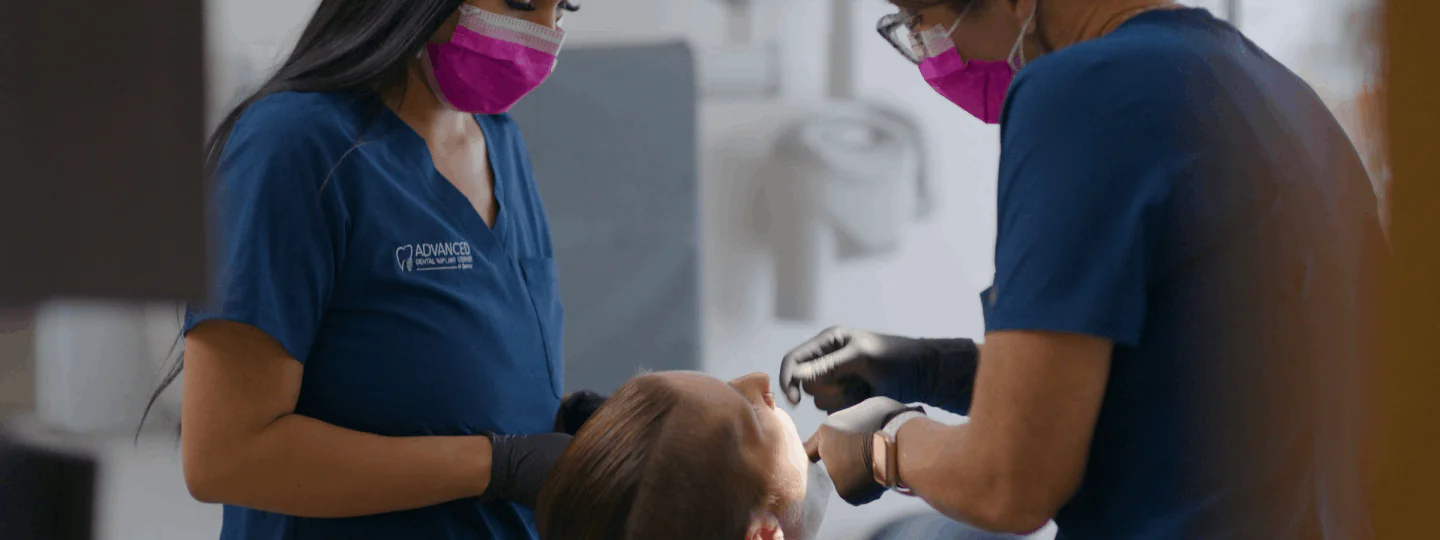



















Medspas that invest in professional video content see measurably higher consultation bookings and brand trust — but only when the editing matches the premium experience they sell. This guide covers exactly what medspa video content should look like, what makes it convert, and how to stop leaving revenue on the table with DIY or low-quality edits.
- Why Video Is the Most Powerful Marketing Channel for Medspas
- The Video Content Types That Drive Medspa Bookings
- What Professional Medspa Video Editing Actually Looks Like
- Platform Strategy: Where to Publish Your Medspa Videos
- DIY vs. Outsourcing: The Real Cost Comparison
- Building a Medspa Video Content Calendar That Scales
- Measuring Video ROI for Your Medspa
- Verdict: What the Best Medspa Video Programs Have in Common
- Frequently Asked Questions
The medspa industry has never been more competitive. In 2024, the U.S. medical spa market crossed $22 billion in revenue, with an estimated 8,800+ locations now operating nationwide. That growth sounds exciting — until you realize it means your potential clients have more options than ever, and most of them are making their decisions before they ever pick up the phone.
They are watching your videos. Or rather, they are watching someone else’s. They are comparing before-and-afters on Instagram Reels, watching treatment explainers on YouTube, and scrolling TikTok while waiting in another provider’s lobby. The question is not whether video matters for your medspa. The question is whether your video content is good enough to convert a curious scroller into a booked consultation.
This guide is built for medspa owners, marketing directors, and practice managers who want to understand not just what video content to create — but how professional editing transforms average footage into content that actually generates revenue. We will cover content types, editing standards, platform strategy, and the real cost of doing it yourself versus working with a dedicated video editing agency like Increditors.
Why Video Is the Most Powerful Marketing Channel for Medspas
Medspa services are high-consideration purchases. A client considering Botox, laser resurfacing, or a body contouring series is not making an impulse decision. They are evaluating trust, expertise, cleanliness, staff demeanor, results quality, and perceived value — all before setting foot in your door. Video is the only marketing format that can communicate all of these things simultaneously.
Text and static images simply cannot do what video does. A before-and-after photo shows a result. A video shows the provider’s confidence, the clean treatment room, the patient’s comfort during the procedure, and the warmth of the staff interaction — all in 60 seconds. That is an enormous amount of trust-building information packed into a format that feels natural and effortless to consume.
Data backs this up consistently. According to Wyzowl’s 2024 State of Video Marketing report, 87% of video marketers say video has directly increased their sales. HubSpot found that including video on a landing page can increase conversions by up to 80%. And in healthcare-adjacent verticals like medspas, where trust is the primary purchase driver, those numbers skew even higher — because nervous first-time clients are watching multiple videos to reassure themselves before booking.
The Trust Economy in Aesthetic Medicine
Aesthetic procedures carry an inherent vulnerability. Clients are trusting providers with their faces and bodies. That vulnerability creates a corresponding need for social proof, expertise signaling, and authentic connection — all of which video delivers better than any other medium. When a prospect watches a provider explain a treatment in a knowledgeable, calm, reassuring tone, their anxiety drops. When they see real patients looking genuinely happy with their results, that happiness becomes aspirational.
The problem is that trust can be undermined just as fast as it is built. Shaky footage, poor audio, harsh lighting, or clunky editing can make an excellent medspa feel amateurish. Clients who are about to spend $500 to $5,000+ on a treatment series are mentally comparing your video quality to the $400-per-night hotel they might splurge on for an anniversary. The production value of your content signals the production value of your experience — fairly or not.
This is why medspa owners who take video seriously — and who invest in professional editing — consistently report shorter sales cycles and higher average ticket values. Clients who arrive after consuming well-produced content already trust the brand. They need less convincing. They are more likely to add on services. And they are far more likely to refer friends.
Organic Video as a Long-Term Booking Engine
Beyond the trust factor, video builds compounding organic reach that no other format matches. A well-optimized YouTube video explaining “what to expect during your first Botox appointment” can rank in Google search results and YouTube search simultaneously, driving qualified traffic for months or years after it is published. A professionally edited Reel can get picked up by Instagram’s algorithm and reach thousands of new local prospects who have never heard of your practice.
Paid advertising budgets fluctuate. SEO rankings shift. But a library of high-quality, helpful video content builds brand equity that stays with you. Every new video compounds the value of the ones before it, creating a subscriber base, a loyal audience, and a steady stream of inbound clients who already feel like they know you before they walk through your door.
The Video Content Types That Drive Medspa Bookings
Not all medspa video content is created equal. Different video types serve different purposes in your marketing funnel, and understanding where each type fits is essential for building a content strategy that actually converts. Here is a breakdown of the highest-performing content categories we see across the medspa clients we work with.
Before-and-After Transformation Videos
Transformation content is the cornerstone of medspa marketing — but the difference between a transformation video that converts and one that falls flat is almost entirely in the editing. A poorly lit, shaky side-by-side with no music or narrative structure will get ignored. A cinematic split-screen with thoughtful color grading, clean typography, and a brief patient testimonial audio clip is content that stops the scroll and drives saves, shares, and DMs.
The best transformation videos we produce include a brief setup that humanizes the patient — what brought them in, what they were worried about — then show the result in a visually compelling way, and close with a simple but clear call to action. These videos regularly outperform all other content types in terms of profile visits and consultation request spikes.
Important note: HIPAA and FTC guidelines require informed consent from patients for any transformation content. Work with your legal team to establish a proper release process. When done correctly, satisfied patients are often enthusiastic participants who actively want to help other people experience what they did.
Treatment Explainer and Educational Videos
Educational content is your most powerful tool for capturing early-funnel prospects — people who are curious about a treatment but not yet ready to book. A video titled “Is CoolSculpting right for you Here’s what the science actually says” or “Everything you need to know before your first IPL treatment” does not just educate; it positions your practice as the expert authority and begins the trust-building process weeks or months before a prospect books a consultation.
These videos perform especially well on YouTube and as long-form Instagram content. When edited professionally — with clear chapter markers, high-quality footage of the provider and treatment room, smooth lower-third graphics for key points, and clean audio — they establish your brand as premium before a prospect ever sees your pricing page.
Provider and Culture Videos
People do not book procedures — they book people. Provider-focused content that showcases the expertise, personality, and values of your injectors, aestheticians, and medical staff is among the most emotionally compelling content you can produce. A 60-second “meet our team” style video or a “day in the life” Reel creates a parasocial bond between your potential client and your provider that dramatically lowers booking anxiety.
Culture videos — showing your team’s morning huddles, treatment room prep rituals, or behind-the-scenes moments — communicate cleanliness, professionalism, and warmth. These are things that no brochure can convey. Edited with warm color grading, upbeat but professional music, and tight pacing, culture videos are consistently among the highest-saved content types for medspa accounts.
💡 Pro Tip: Film your provider introductions in a consistent “interview” style — same background, same lighting setup — so your content library feels cohesive even as it grows. This consistency signals brand maturity to new visitors who are scrolling through your profile for the first time.
What Professional Medspa Video Editing Actually Looks Like
Many medspa owners underestimate how much of the “premium feel” of great video content comes from editing rather than filming. You can have excellent raw footage — great lighting, a polished provider, a genuine patient story — and mediocre editing will still make it feel cheap. Conversely, a skilled editor can elevate adequate footage into genuinely compelling content through thoughtful craft decisions.
Here are the specific editing elements that separate professional medspa video from amateur content — and why each one matters for your conversion rates.
Color Grading for Aesthetic Brands
Color grading is the process of adjusting the tones, contrast, and color palette of footage to create a specific emotional feel. For medspas, the goal is almost always “clean, warm, and premium” — think the visual language of high-end skincare brands, luxury hotels, or boutique wellness retreats. Skin tones need to look healthy and natural. Treatment rooms should look bright and clinical-clean without feeling sterile.
Inconsistent or incorrect color grading is one of the most common editing failures we see in medspa content. Footage shot under different lighting conditions looks jarring when cut together without color correction. Skin tones that run too warm look unwell; too cool and they look pallid. A professional colorist or an experienced editor with strong color grading skills will ensure every shot in your video feels like it belongs to the same beautiful, consistent world.
For short-form social content, color grading also helps your videos maintain visual identity even when playing without sound in a busy feed. Viewers who see three or four of your videos will begin to recognize your color palette as your brand signature — the same way luxury fashion brands own specific visual moods.
Motion Graphics and Lower Thirds
Lower thirds — the text overlays that identify people, label treatments, or highlight key facts — are ubiquitous in professional video. When done well, they add information without distracting from the visuals. When done poorly, they look like clip-art slapped on by someone’s nephew. The difference lies in font selection, animation style, color coordination with your brand, and timing precision.
For medspa content specifically, motion graphics are also critical for educational videos. Animated diagrams showing how a laser penetrates skin layers, text callouts highlighting specific result metrics (“72% reduction in hyperpigmentation after 3 sessions”), or simple icon animations that break down treatment steps — these elements transform a talking-head video into a genuinely compelling visual experience that viewers watch to the end.
Audio Mixing and Music Selection
Audio is where amateur video editors most visibly fail. Background hiss, inconsistent volume levels, abrupt music cuts, and dialogue that is hard to understand without headphones — these issues destroy viewer retention faster than any visual problem. Research consistently shows that people will tolerate poor video quality much longer than they will tolerate poor audio quality.
Music selection is also a strategic decision, not just an aesthetic one. The right track reinforces your brand positioning. Soft, sophisticated piano or acoustic guitar communicates “luxury boutique.” Upbeat, modern electronic communicates “results-driven and efficient.” A disconnect between your music choice and your brand promise sends a subtle but real signal to viewers that something is off — even if they cannot articulate why.
Professional editors understand music licensing, timing music to visual cuts, and fading audio naturally at the end of videos. These details feel minor but they are the difference between content that feels polished and content that feels rushed.
Platform Strategy: Where to Publish Your Medspa Videos
The same video rarely performs equally across all platforms. Each platform has its own algorithm, audience behavior, aspect ratio preferences, and content culture. Medspas that publish the same unoptimized file everywhere get mediocre results everywhere. Medspas that edit specifically for each platform — or work with editors who do — see dramatically better performance.
Instagram and TikTok: Short-Form Dominance
Instagram Reels and TikTok are the highest-reach platforms for medspa content right now, particularly for reaching new audiences who do not already follow you. Both platforms favor content that hooks viewers in the first one to two seconds, maintains high retention throughout, and generates comments and saves. For medspas, the highest-performing short-form content types are transformation reveals, quick treatment explainers, and “myth vs. fact” style educational content.
For Instagram and TikTok, your editor needs to deliver 9:16 vertical format, 15 to 60 seconds for maximum distribution, bold text overlays for the first 3 seconds (most viewers watch without sound), and a visually compelling hook frame as the thumbnail. The editing rhythm on these platforms is also faster than on YouTube — cuts every 2 to 4 seconds, not every 8 to 10.
One caveat specific to medspas: TikTok has restrictions on before-and-after content for cosmetic procedures, so work closely with your editor and review platform guidelines before publishing transformation content. Instagram is more permissive but also has evolving standards around medical content disclosure.
YouTube: The Long-Game Channel
YouTube is the second-largest search engine in the world, and for medspas targeting high-intent local prospects, it is massively underutilized. A person Googling “Botox for migraines near me” or “best laser for dark spots” will often find YouTube videos ranking in the top results. If your video is there — and if it is well-edited enough to hold their attention for 5+ minutes — you have just spent zero dollars on a highly qualified lead who is now watching you speak with authority about the exact topic they care about.
YouTube demands more substantial editing investment. Longer intros that establish your expertise, chapter markers, polished B-roll footage of your facility, clear end screens with CTAs — these are not optional for a channel that wants to grow. But the ROI per video on YouTube compounds over time in a way that short-form content simply cannot replicate. We have seen medspa YouTube videos driving consultation bookings 18 months after publication.
Your Website and Landing Pages
Video on your website is one of the highest-leverage placements you have. A well-produced practice overview video on your homepage can increase time-on-page by over 60% and directly reduce bounce rate. Service-specific videos embedded on treatment landing pages address objections in real time — the prospect considering filler injections watches your injector walk them through the process calmly and confidently, and the objection dissolves before they even pick up the phone to ask about it.
For website use, video editing requirements differ from social. You want polished, timeless content rather than trend-driven hooks. Branding should be more restrained and professional. Patient testimonial videos for the website should feel like documentary short films — unhurried, emotionally resonant, cinematic. These are not the same as a quick Reel, and your editing partner needs to understand the distinction.
DIY vs. Outsourcing: The Real Cost Comparison
One of the most common objections we hear from medspa owners and marketing managers is that outsourcing video editing feels like an unnecessary expense when “we have an iPhone and iMovie.” We get it. But let us do the actual math — because the cost comparison is rarely what people expect.
The Hidden Cost of In-House Editing
If you are editing video yourself or having a team member do it, the first question to ask is: what is that time worth A medspa owner billing $500/hour in procedures who spends 4 hours editing a video has just produced a video that cost $2,000 in opportunity cost — before accounting for the quality gap or the software subscriptions. A front desk coordinator earning $22/hour who spends 3 hours trying to navigate Premiere Pro is providing $66 of value while missing the other tasks their role demands.
Add to that: industry-standard editing software ($55–$85/month for Adobe Premiere Pro), stock music licensing ($15–$20/month for basic plans), motion graphics tools (CapCut Pro, After Effects), and the ongoing learning curve — and DIY video editing is rarely the cost-saver it appears to be on the surface.
There is also the consistency problem. In-house editing done by different staff members, or by the same person on different days with different skill levels and time constraints, produces an inconsistent visual identity. Inconsistency is brand poison at the premium level — and most medspa brands are trying to compete at a premium level.
What Professional Agency Editing Actually Costs
Professional video editing services from a dedicated agency like Increditors typically range from $300–$800 per finished video depending on length, complexity, and turnaround requirements. For medspa clients publishing 8–12 videos per month across platforms, a retainer arrangement is usually the most cost-effective structure — giving you predictable monthly costs, consistent quality, and a team that deeply understands your brand over time.
When you factor in the time savings, quality improvements, and the compounding value of a consistent, professional content library, agency editing is almost always the higher-ROI choice for medspas doing more than two to three videos per month. The breakeven point comes much earlier than most owners expect.
Building a Medspa Video Content Calendar That Scales
One of the most common mistakes medspas make with video is treating it reactively — filming something when inspiration strikes or when a new product launches, rather than building a consistent drumbeat of content that compounds over time. A content calendar transforms your video marketing from occasional bursts into a genuine audience-building engine.
The Core Content Pillars Framework
Rather than starting from a blank page each month wondering what to make, anchor your calendar around 4 to 5 repeating content pillars. For medspas, we recommend: (1) Transformation Stories — before/after content featuring real patient results, (2) Education — treatment explainers and procedure walkthroughs, (3) Expertise — provider spotlights, credentials, and philosophy content, (4) Culture — behind-the-scenes, team moments, practice values, and (5) Social Proof — patient testimonials and reviews presented in video format.
With these five pillars, a medspa publishing four videos per week can rotate through one piece of each type weekly. This ensures the audience never gets content fatigue from too much of one kind, while also ensuring every pillar — and every persuasion function — is covered consistently. Trust is built from all angles, not just the most comfortable one.
Seasonal and Campaign Layering
Layer seasonal opportunities on top of your evergreen pillars. Medspas have natural seasonal rhythms: pre-summer body contouring campaigns, holiday gift card pushes, New Year resolution-driven skin renewal content, Valentine’s Day couples treatment promotions, and wedding season facial prep series. Each of these creates a reason to produce time-sensitive, higher-energy content that complements your evergreen calendar without replacing it.
The key to making seasonal campaigns work with a professional editing partner is lead time. Great editing takes time, and rushing a campaign video to meet a deadline always shows. Plan your seasonal content 6 to 8 weeks in advance, batch-film where possible, and give your editing team the runway they need to produce something you are genuinely proud to publish.
Batch Filming for Efficiency
The most efficient medspa video programs we work with do not film every day. They batch-film one to two days per month and generate enough raw footage for 12 to 20 pieces of content, which are then edited and scheduled over the following weeks. This approach minimizes disruption to your practice, allows for thoughtful preparation, and produces more consistent lighting and setup quality than reactive daily filming.
Batch filming only works when your editing partner is fast, responsive, and deeply familiar with your brand — so they can turn around a month’s worth of content without requiring you to brief them from scratch every single time. This is one of the biggest advantages of working with a dedicated agency like Increditors on a retainer basis rather than engaging freelancers ad hoc. The onboarding investment pays dividends in speed and quality over the long term.
💡 Pro Tip: Dedicate one morning per month to a “content shoot day” — brief your team ahead of time with a shot list, wear matching uniforms or branded attire, and film in your cleanest, most photogenic treatment room. Sending 90 minutes of organized raw footage to your editing team is far more valuable than 20 minutes of scattered phone clips captured throughout the month.
Measuring Video ROI for Your Medspa
The single biggest mistake medspa marketers make with video is measuring it like social media — chasing likes and follower counts rather than tracking the metrics that actually matter for a service business. Views and engagement are useful signals, but they are not the goal. The goal is booked consultations, new client acquisition, and revenue growth.
The Metrics That Actually Matter
Start by tracking profile visits per video. When a video performs well, people go to your profile — that is a clear sign of interest. Then track link-in-bio clicks, direct message volume, and inbound consultation requests. These are the metrics that connect content performance to business outcomes. Many medspa management systems allow you to ask new clients “how did you hear about usa” — track this religiously and you will begin to see which video content types are actually driving bookings.
On YouTube, watch time and click-through rate are the most important metrics. A video that gets 10,000 views but only holds viewers for 30 seconds out of a 6-minute runtime is underperforming. A video that gets 2,000 views but holds 70% of viewers through to the end is a high-quality trust-builder that YouTube will continue to recommend. Professional editing dramatically improves both of these metrics by creating compelling hooks and maintaining engagement throughout.
Attribution and the Multi-Touch Reality
It is important to understand that most medspa clients will consume multiple pieces of content before booking — and they may not remember which specific video first caught their attention. A prospect might watch a TikTok of your injector explaining lip filler techniques, then visit your Instagram profile, save three Reels, watch your homepage video, and then book. That booking is attributable to all of those touchpoints, not just the last one.
This multi-touch reality reinforces the importance of volume and consistency. A single great video has limited impact. A library of 50 high-quality videos across multiple platforms creates a content ecosystem that captures prospects at every stage of their decision process and guides them toward booking through multiple entry points simultaneously. That ecosystem is what you are really building when you commit to consistent, professional video production.
Benchmarks for Medspa Video Performance
Based on what we observe across medspa accounts doing consistent professional video: accounts posting 4+ edited Reels per week typically see 15–25% monthly Instagram follower growth in the first six months. YouTube channels publishing one educational video per week typically reach 1,000 subscribers within 8–12 months and begin seeing meaningful organic search traffic. Most importantly, medspa brands with active video programs report 20–35% of new consultations attributing their initial discovery to social media video — a number that grows as the content library matures.
The baseline is clear: medspas that invest consistently in video content and professional editing outperform those that do not. The gap widens every year as audience expectations for content quality rise and algorithm preferences for video become more entrenched.
Verdict: What the Best Medspa Video Programs Have in Common
After working with healthcare-adjacent businesses and premium service brands across multiple industries, the pattern is consistent. The medspa video programs that generate real, measurable business results share a specific set of characteristics — and they are not what most people expect.
The best programs are not necessarily the ones with the biggest budgets, the most sophisticated camera equipment, or the trendiest editing styles. They are the ones that operate with consistency, clarity of brand voice, genuine patient stories, and a professional editing partner who understands their aesthetic and can execute reliably at scale.
They focus on content that serves the audience first — educating, reassuring, inspiring — rather than content that is primarily self-promotional. They commit to volume, understanding that a library of 100 good videos dramatically outperforms 10 perfect ones. And they do not let perfect be the enemy of published — they establish a workflow that gets polished content out consistently rather than laboring for weeks over a single piece.
Critically, the best medspa video programs are built on a reliable production infrastructure. That means a consistent filming protocol, a clear brief process, a trusted editing partner with medspa-specific experience, and a publishing workflow that does not depend on any single person’s availability. When that infrastructure is in place, video becomes a compounding asset rather than a recurring headache.
If your medspa is not yet at that level, the most important first step is not buying better camera equipment or hiring a full-time videographer. It is finding a video editing partner who can take the footage you already have and begin producing content that reflects the premium experience you deliver in your treatment rooms. That is where the transformation starts — in the edit, not on the set. Increditors works specifically with premium service businesses to build that kind of sustainable, high-quality content infrastructure, and the results speak for themselves.
Frequently Asked Questions
How often should a medspa post video contenta
For meaningful audience growth and algorithm visibility, we recommend a minimum of 3–4 short-form videos per week on Instagram and/or TikTok, plus one longer YouTube video per week if resources allow. Consistency matters far more than quantity — a practice that posts three polished Reels every week will outperform one that posts fifteen videos in a burst and then goes silent for a month. Start with a sustainable cadence and scale from there as your production workflow matures.
Do I need expensive camera equipment to produce professional medspa videosa
Not necessarily. A modern iPhone (14 or newer) or Android flagship shot in well-lit conditions produces footage that a professional editor can make look genuinely excellent. The difference between “phone footage that looks great” and “phone footage that looks cheap” is almost entirely in the lighting, audio capture (use a clip-on lavalier microphone for any speaking content), and the subsequent editing. That said, if you are investing in YouTube long-form or website hero videos, renting a cinema camera or hiring a videographer for one or two days per quarter is worth the investment.
What HIPAA considerations apply to medspa video contenta
Any video content featuring identifiable patients — including before-and-after footage, testimonials, or treatment procedure videos — requires written informed consent that specifically covers the use of the footage for marketing purposes. This is separate from standard treatment consent. Consult your healthcare attorney to create a proper media release form. Never publish patient-identifiable content without documented consent, and ensure your editing partner understands what is and is not cleared for use before delivering final videos.
How long does professional video editing take for medspa contenta
For a standard short-form Reel (60–90 seconds), professional editing turnaround is typically 48–72 hours from receiving the raw footage, assuming a clear brief is provided. For longer YouTube videos (8–15 minutes), expect 3–5 business days. Rush turnarounds are often available at a premium. With an established editing partner who knows your brand well, briefs get simpler over time and turnarounds often improve because the editor no longer needs extensive guidance on your visual preferences and brand standards.
What should I look for when choosing a video editing agency for my medspaa
Look for three things above all: relevant experience with premium service or healthcare-adjacent brands (editing style for a medspa is very different from editing style for a gaming channel), demonstrated ability to match and maintain a brand aesthetic consistently over time, and a clear workflow for feedback and revisions. Ask to see examples of transformation content, testimonial videos, and educational explainers in their portfolio. Ask about their revision policy and turnaround guarantees. And pay attention to how well they communicate during the sales process — a disorganized pitch process usually predicts a disorganized production process.
Ready for Video That Actually Convertsa
Tell us about your project and we will put together a custom plan.